What Is the Wim Hof Breathing Method?
The Wim Hof breathing method is a structured breathing protocol designed to influence the autonomic nervous system and increase physiological control. Unlike meditation or mindfulness breathing, which emphasize calm and stillness, the Wim Hof method employs rapid, forceful breathing cycles followed by extended breath holds—a combination that produces measurable changes in blood chemistry and body state.
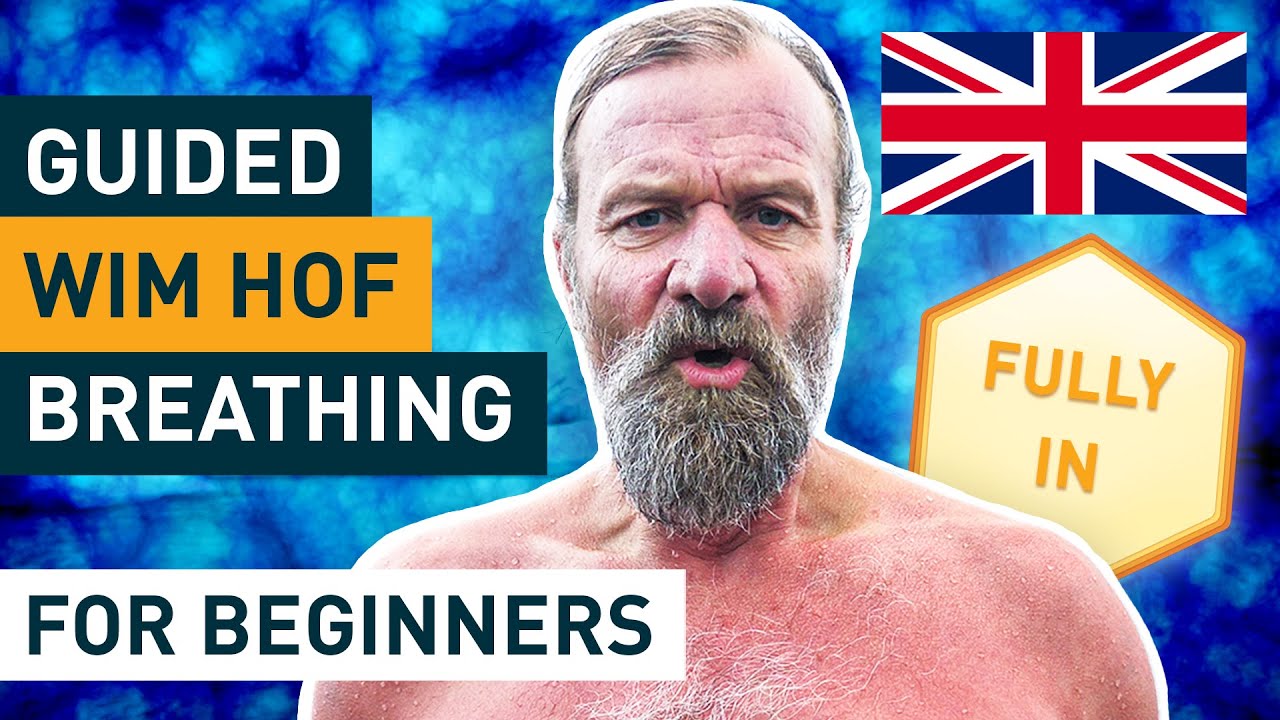
The technique consists of three identical rounds, each with the same breathing pattern but progressively longer breath-hold periods. Wim Hof describes the approach in the guided session: "Catch the wave, catch the rhythm—full breath releasing. Just keep going, no pause between inhale and exhale" (0:50). This continuous, rhythmic quality is central to the method's mechanism; the absence of pause between breaths creates a wave-like momentum that accumulates oxygen and carbon dioxide shifts in the bloodstream.
How Does the Three-Round Structure Work?
Each round follows an identical breathing pattern with three distinct phases:
- Phase 1: Cyclic Breathing – Thirty to forty rapid, full breaths performed in a specific rhythm. The instruction to breathe "into the stomach into the chest and release" (0:50) indicates a full-body breathing pattern, filling the abdomen first and then the chest before releasing completely. This is repeated for approximately 10 cycles, then "another ten full breaths" (1:32), followed by a final set of 5 maximum-effort breaths.
- Phase 2: Breath Hold – After the final exhale, the breath is held passively for an extended period. Round 1 uses a 30-second hold (2:09), Round 2 extends to 1 minute (3:00–5:00), and Round 3 extends to 1.5 minutes (8:20–9:50). During the hold, Wim instructs practitioners to "feel aware of your body" and explains that "if your arms and legs tingle or you feel your body temperature changing, this is normal" (5:04–5:16).
- Phase 3: Recovery Breathing – A single deep inhale held for 15 seconds, followed by exhalation. This transitions the nervous system back toward baseline before the next round begins.
What Happens During the Rapid Breathing Cycles?
The rapid, continuous breathing in each round is designed to create a specific blood-chemistry state. By breathing fast and fully without pause, the practitioner increases oxygen intake while simultaneously decreasing carbon dioxide levels through rapid expulsion. This temporary shift—hyperventilation with intention—alkalizes the blood slightly and reduces the CO₂ drive to breathe, which is why the subsequent breath hold becomes possible.
Wim's cue to "just keep going, no pause between inhale and exhale" (1:09) is critical; the continuous rhythm prevents the natural settling that would occur if breath-hold intervals were inserted mid-cycle. The rhythm also creates a meditative focus—watching the bubble expand and contract while syncing breath to its motion anchors attention and prevents distraction.
What Are the Physical Sensations During Practice?
Practitioners commonly experience tingling in the extremities, particularly the hands, feet, and lips. Wim explicitly normalizes this: "If your arms and legs tingle or you feel your body temperature changing, this is normal. You are doing fantastic" (5:04–5:16). These sensations arise from the alkaline shift in blood pH, which alters nerve firing thresholds and muscle tension. The tingling is not dangerous but rather a sign that the method is working as designed.
Other sensations may include a sense of lightness, euphoria, or heightened body awareness. The instruction to "listen to your heartbeat, slow down, and just be in the moment" (2:34–2:51) during the 30-second hold of Round 1 encourages interoceptive attention—noticing what the body is actually doing rather than thinking about it. By Round 3, with a 90-second breath hold, this awareness deepens significantly.
Why Is Safety Emphasized So Strongly?
The guided session opens with a critical safety warning: perform breathing exercises "in a safe environment (e.g., sitting on a sofa/floor)" and "never do this before or during diving, driving, swimming, bathing, or any other environment where it would be dangerous and there is a possibility of losing consciousness." This specificity matters because hyperventilation followed by a prolonged breath hold can cause shallow-water blackout—a loss of consciousness that occurs when blood oxygen becomes critically low, typically in water or when submerged.
The mechanism is counterintuitive: after intense hyperventilation, oxygen saturation remains high for minutes, even as carbon dioxide—the primary trigger for the urge to breathe—stays suppressed. A person can lose consciousness without ever feeling the need to inhale, particularly if they're underwater and the pressure of submersion further delays the CO₂ rebound. The method's website provides specific information: "If you need to breathe before I give the signal, this is normal" (5:16–5:28), but this reassurance applies only to non-aquatic, non-driving, non-submerged environments.
How Should the Breath Holds Progress Across Rounds?
The progression is deliberate and measurable:
- Round 1 Breath Hold: 30 seconds (2:09–2:29). This is relatively short and allows most practitioners to complete it comfortably on their first attempt. Wim says "great, 30 seconds, breath hold, be in the moment" (2:09), treating this as a baseline.
- Round 2 Breath Hold: 1 minute (3:00–4:00). Wim notes "hold your breath for one minute, feel aware of your body. If your arms and legs tingle or you feel your body temperature changing, this is normal" (5:00–5:04). By this point, 60 seconds may feel challenging, and the tingling will likely intensify.
- Round 3 Breath Hold: 1.5 minutes (8:20–9:50). This is the longest and most demanding. Wim offers a crucial option: "Want to extend your breath hold? Pause the video and continue when you feel the urge to breathe" (5:47–5:52). This permission to individualize duration is essential—it acknowledges that nervous system capacity varies and encourages practitioners to respect their own limits.
The progression across rounds serves two purposes. First, it demonstrates increasing respiratory control—the ability to remain calm and present during longer periods of reduced oxygen. Second, it builds confidence and autonomic tone; each successful breath hold reinforces the nervous system's capacity to tolerate stress and change without panic.
What Is the Role of the Audiovisual Bubble?
The video employs a visual breathing bubble that expands and contracts, serving as both a timing mechanism and a focal point. Wim explains: "Just observe how the bubble expands and contracts, and sync your breathing. You'll hear Wim breathing alongside you, and the engaging background sounds help set your environment, allowing you to focus only on your breathing." This multi-sensory approach—visual (bubble), auditory (Wim's breathing and ambient music), and proprioceptive (felt breath and body sensation)—creates an immersive container that reduces external distraction.
The bubble's rhythm is consistently paced, ensuring that all practitioners move through the rapid-breathing phase at the same tempo. This standardization is important for safety and efficacy; an idiosyncratic pace might result in insufficient hyperventilation or, conversely, excessive stress to the nervous system.
How Does Recovery Breathing Transition Between Rounds?
After each breath hold, Wim cues recovery breathing: "Breathing recovery in five, four, three, two, one. Take a deep breath and hold it for 15 seconds. Exhale in three, two, one, release" (2:34–2:45). This phase is critical for nervous system recalibration. The deep inhale re-oxygenates blood rapidly, while the 15-second hold allows that fresh oxygen to distribute to tissues. The exhale then signals the body to return toward parasympathetic (rest-and-digest) tone.
This recovery is also where the distinction between the three rounds becomes subtle but significant. By Round 3, having just completed a 90-second breath hold, the recovery breathing feels more necessary and more restorative—the system has been pushed closer to its edge, and the controlled rebound is palpable.
What Should Happen After the Session Ends?
After Round 3 concludes, Wim instructs: "Let your breathing return to normal. When you have finished the round, move your body little by little, starting with your fingers and toes. Let your breathing normalize" (10:12–10:24). This gradual re-integration prevents dizziness or disorientation that might occur if someone stood suddenly after a 90-second breath hold.
The entire protocol—including all three rounds and recovery—takes approximately 11 minutes. The effect, however, extends beyond the session; practitioners often report sustained calm, mental clarity, or increased energy for hours afterward, depending on their baseline state and sensitivity to the practice.
Where to Go from Here
The guided video is an entry point, not a complete system. The Wim Hof Method includes additional practices: cold-water exposure, meditation, and exercise protocols that synergize with breathing work. The official website and free mobile app provide video courses, longer guided sessions, and a community structure for progressively deeper engagement. For those curious about the science, the method has been studied in peer-reviewed research examining its effects on immune function, stress hormones, and voluntary control of the autonomic nervous system. The key—always emphasized in Wim's instructions—is to practice safely, respect individual capacity, and allow the effects to unfold without forcing or straining.
]]>