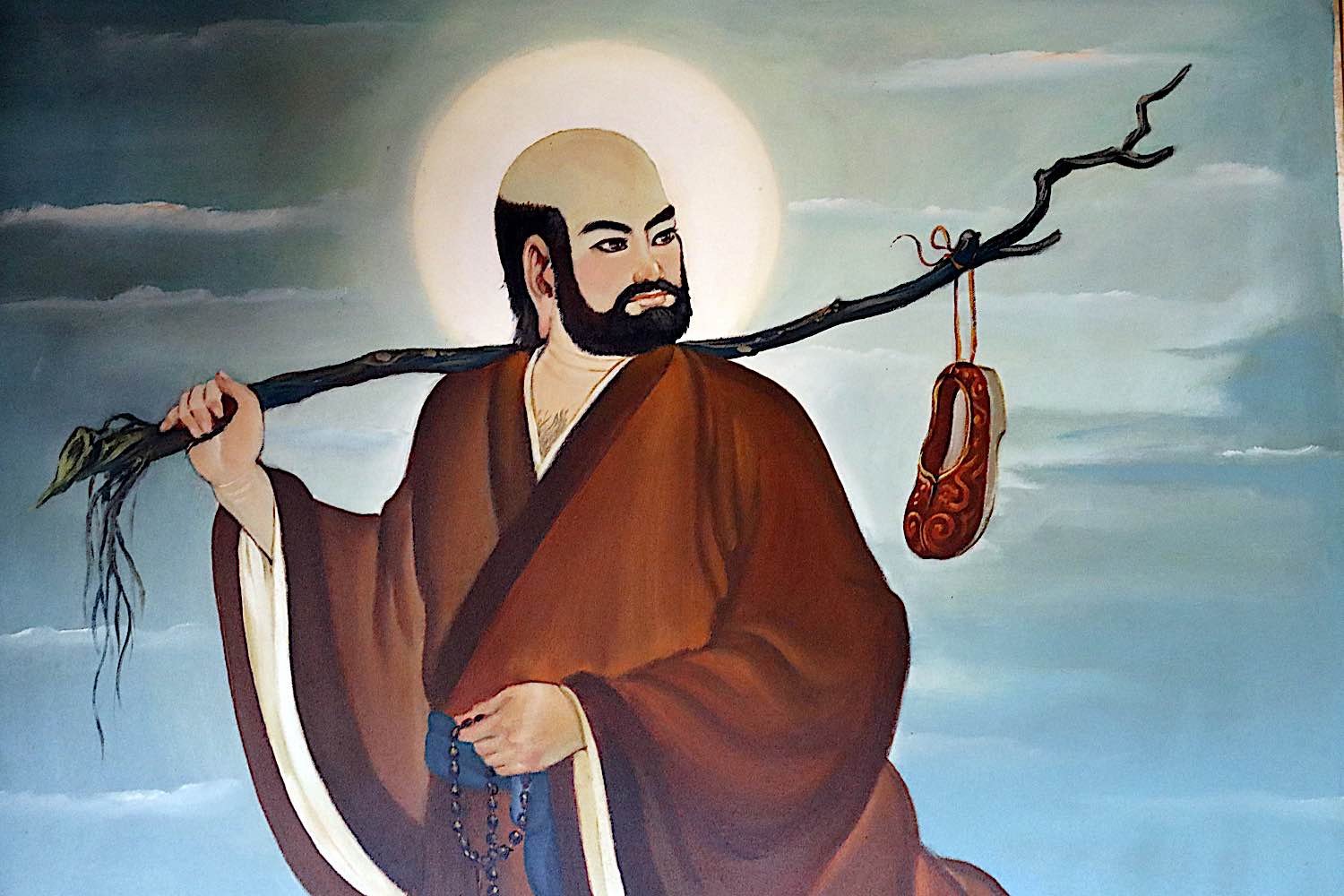
Bodhidharma's profound assertion, "They look outside; the buddha is within," invites us to redirect our gaze from the external world to the depths of our own being. In a culture often preoccupied with external validation and material pursuits, this quote serves as a gentle yet firm reminder of the inner sanctuary that resides within each of us. The stakes are high; recognizing the Buddha within can lead to transformative insights and a deeper understanding of our true nature, ultimately guiding us toward a more authentic existence.
As we delve into this teaching, we uncover the layers of meaning that Bodhidharma encapsulated in his succinct words. The act of looking outside often signifies a search for fulfillment in transient experiences, relationships, or achievements. Yet, Bodhidharma's wisdom beckons us to explore the vast landscape of our inner selves, where the essence of enlightenment resides. This inward journey is not merely a philosophical exercise; it is a call to cultivate awareness and presence, allowing us to connect with the profound stillness that lies at the heart of our being.
The image / the metaphor
The imagery in Bodhidharma's quote is striking in its simplicity yet rich in meaning. The phrase "look outside" evokes a sense of distraction, a wandering gaze that seeks answers in the chaos of the external world. In contrast, "the buddha is within" suggests a nurturing, intimate relationship with our inner self, where the potential for awakening and understanding resides. The verbs chosen—"look" and "is"—imply a dynamic process of seeking and discovering, emphasizing that the journey towards enlightenment is both active and passive, requiring both effort and surrender.
In the speaker's tradition
Situated within the Zen tradition, Bodhidharma's teaching resonates with core concepts such as dharma, the path of truth and righteousness, and prajna, the wisdom that arises from direct experience. Zen emphasizes the importance of direct insight into one's own nature, often through practices like meditation and mindfulness. The notion of kenosis, or self-emptying, parallels this teaching, as it encourages us to let go of preconceived notions and attachments that cloud our perception of the inner buddha. By embracing sunyata, or emptiness, we can begin to see that our true essence is not separate from the world but intricately woven into the fabric of existence.
In the context of Bodhidharma's teachings, we can draw parallels to the Heart Sutra, which states, "Form is emptiness, emptiness is form." This text invites us to recognize that our perceptions of self and other are often illusions, and that true understanding arises from the realization of our interconnectedness. Just as the buddha is within, so too is the essence of all beings, urging us to look beyond the surface and discover the profound unity that underlies our existence.
Living the teaching
Consider a modern scenario where the teaching of looking within can be applied: a person grappling with feelings of inadequacy in their career. In a world that often equates success with external achievements, it is easy to become lost in the pursuit of validation from others. However, by turning inward and reflecting on their intrinsic worth and unique gifts, this individual can begin to cultivate a sense of self-acceptance and confidence that is not dependent on external accolades. This inner work allows them to approach their career with renewed clarity and purpose, ultimately leading to a more fulfilling professional life.
In the realm of relationships, the teaching can manifest in moments of conflict or misunderstanding. When faced with a disagreement, one might instinctively look to blame the other person or seek validation from friends. Yet, by pausing to look within, we can explore our own triggers, insecurities, and desires that contribute to the discord. This introspective approach fosters empathy and understanding, allowing for deeper connections and healing within the relationship. By recognizing that the buddha resides within, we can cultivate compassion not only for ourselves but also for those around us.
A reflection
As we contemplate Bodhidharma's wisdom, we are invited to ask ourselves: What does it mean to look within, and how can I cultivate a deeper awareness of my own inner buddha? This question encourages us to embark on a journey of self-discovery, exploring the layers of our being and uncovering the wisdom that lies dormant within. In a world that often pulls us outward, may we find the courage to turn our gaze inward and embrace the transformative power of our own inner light.
