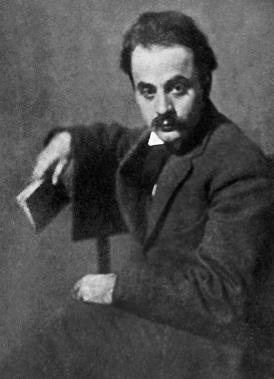
Kahlil Gibran's poignant reflection invites us to consider the act of ceasing to breathe not as an end, but as a liberation of the spirit. In his words, to stop breathing is to release the breath from the tumultuous waves of existence, allowing it to ascend and seek the divine without hindrance. This perspective challenges our conventional understanding of death, urging us to see it as a transformative passage rather than a finality. The stakes of this contemplation are profound: it beckons us to embrace life with a sense of purpose and to recognize the sacredness that lies beyond our physical existence.
As we delve deeper into Gibran's insight, we uncover layers of meaning that resonate with the human experience of longing and transcendence. The imagery of breath, often associated with life itself, becomes a symbol of the soul's journey toward the divine. In a world that often feels chaotic and burdensome, Gibran's words remind us that there is a path to freedom, one that allows our spirit to rise above the noise of daily existence. This exploration of breath as a conduit to the divine invites us to reflect on our own lives and the ways we might be encumbered by our fears, attachments, and misunderstandings about death.
The image / the metaphor
The imagery in Gibran's quote is rich and evocative, painting a picture of breath as both a physical and spiritual phenomenon. The phrase "cease breathing" conjures the finality of death, yet it is immediately juxtaposed with the idea of freeing the breath from "restless tides." This duality captures the tension between life and death, suggesting that the act of dying is not merely an end but a release from the struggles and turbulence of earthly existence. The verbs chosen—"free," "rise," "expand," and "seek"—imbue the quote with a sense of movement and aspiration, emphasizing the dynamic nature of the soul's journey toward the divine.
Diving deeper into the metaphor, we can see that Gibran is not merely speaking of physical death but rather the liberation of the spirit from the confines of the material world. The "restless tides" symbolize the distractions and attachments that often weigh us down, preventing us from experiencing the fullness of our spiritual potential. By envisioning breath as something that can "rise and expand," Gibran invites us to consider the possibility of transcending our limitations, suggesting that true freedom lies in our ability to let go of what no longer serves us. This metaphor serves as a powerful reminder that our spiritual journey is one of continual growth and expansion, even in the face of mortality.
In the speaker's tradition
Kahlil Gibran's work is deeply rooted in the tradition of Christian mysticism, which emphasizes the direct experience of the divine and the transformative power of love. Concepts such as kenosis, or self-emptying, resonate with Gibran's idea of freeing the breath. In this context, to cease breathing can be seen as an act of surrendering the ego and allowing the soul to merge with the divine essence. This aligns with the mystical understanding that true freedom comes from relinquishing our attachments and embracing the infinite love that transcends our earthly existence.
Moreover, Gibran's thoughts echo the teachings found in various spiritual texts, such as the writings of Meister Eckhart, who spoke of the soul's longing for union with God. In Eckhart's view, the soul must undergo a process of detachment to fully experience divine presence. This notion of detachment parallels Gibran's metaphor of freeing the breath, suggesting that both authors recognize the necessity of letting go in order to attain a higher state of being. The interplay between life, death, and the divine in Gibran's work invites us to explore the depths of our own spiritual journey and the ways in which we can cultivate a deeper connection with the sacred.
Living the teaching
Consider a modern scenario where this teaching resonates: a person grappling with the loss of a loved one. In the midst of grief, the idea of death as a liberation can feel distant, yet it offers a profound perspective. By reflecting on Gibran's words, one might begin to see their loved one's passing not as an end but as a release from suffering, allowing their spirit to rise and seek the divine. This shift in perception can transform the experience of loss into an opportunity for deeper connection and understanding, fostering a sense of peace amidst sorrow.
Another application of Gibran's teaching can be found in the context of personal relationships. Imagine a situation where conflict arises, and the weight of unresolved issues feels suffocating. By embracing the idea of freeing the breath, individuals can choose to let go of their grievances and approach the relationship with a renewed sense of openness. This act of surrendering the need to be right or to hold onto past hurts allows for healing and growth, creating space for love and understanding to flourish. In both scenarios, Gibran's wisdom serves as a guiding light, illuminating the path toward freedom and connection.
A reflection
As we contemplate Gibran's profound insight, we are invited to reflect on our own relationship with life, death, and the divine. What attachments or fears might be encumbering your breath, preventing you from experiencing the fullness of your spiritual journey? In what ways can you begin to free yourself from these restless tides, allowing your spirit to rise and seek the divine unencumbered? This contemplative question encourages us to engage with our inner landscape, fostering a deeper understanding of our own path toward liberation and connection with the sacred.
