Embracing the Flow: The Art of Letting Go
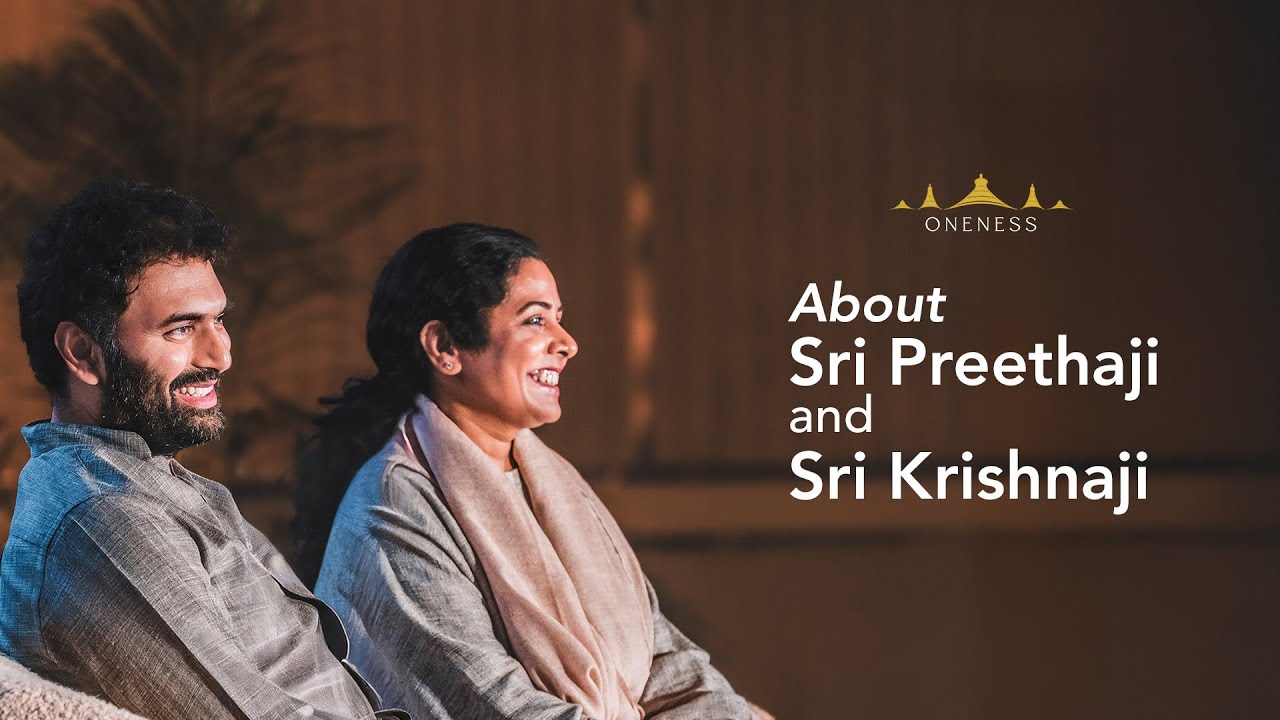
In the profound words of Krishnaji, "Stop trying to control. Start practicing presence." This invitation calls us to relinquish our often futile attempts to dominate our circumstances and instead immerse ourselves in the richness of the present moment. The stakes are high; in a world that constantly pushes us toward anxiety and distraction, the ability to be present can transform our experience of life from one of struggle to one of peace and connection.
To practice presence is to engage with life as it unfolds, to recognize the beauty in the now rather than being ensnared by the desire to manipulate outcomes. This shift from control to presence is not merely a change in behavior; it is a fundamental reorientation of our consciousness. In a society that prizes achievement and certainty, embracing this teaching requires courage and a willingness to explore the depths of our own being.
The image / the metaphor
The imagery in Krishnaji's quote evokes a sense of surrender, a gentle release of the grip we often have on our lives. The verb "stop" suggests an abrupt cessation of our habitual patterns, while "start practicing" implies an active engagement with presence as a skill to be cultivated. This duality captures the essence of our spiritual journey: the need to let go of the old while simultaneously embracing the new.
Diving deeper into this metaphor, we can envision control as a clenched fist, tightly holding onto the reins of our lives. In contrast, presence can be likened to an open hand, receptive and ready to experience whatever comes our way. This imagery invites us to consider how much energy we expend in our attempts to control, and how much liberation awaits us in the practice of simply being.
In the speaker's tradition
Krishnaji's teachings are deeply rooted in the oneness movement, which emphasizes the interconnectedness of all beings and the importance of living in harmony with this truth. Concepts such as dharma, or the natural order of things, and sunyata, the emptiness that allows for all possibilities, resonate with the essence of his message. By relinquishing control, we align ourselves with the flow of dharma, allowing life to unfold as it is meant to.
In the context of this tradition, we can draw parallels to the practice of bhakti, or devotion, which encourages us to surrender our ego-driven desires in favor of a deeper connection with the divine. Texts such as the Bhagavad Gita illustrate this principle beautifully, as they urge us to act without attachment to the fruits of our labor. In this light, Krishnaji's call to practice presence becomes a pathway to experiencing the divine in every moment.
Living the teaching
Consider a modern scenario where this teaching resonates: a busy professional grappling with the pressures of deadlines and expectations. In the midst of this chaos, the urge to control every detail can lead to stress and burnout. By embracing Krishnaji's wisdom, this individual might choose to step back, take a deep breath, and focus on the present task at hand, allowing the future to unfold without the weight of anxiety. This simple act of presence can transform their experience from one of tension to one of clarity and purpose.
In a different context, imagine a relationship strained by misunderstandings and unspoken expectations. The desire to control how the other person feels or reacts can create distance and resentment. By practicing presence, both individuals can learn to listen deeply and respond authentically, fostering a space of connection and understanding. This shift from control to presence not only enriches their relationship but also deepens their individual journeys toward self-awareness and compassion.
A reflection
As we contemplate Krishnaji's invitation to "stop trying to control" and "start practicing presence," we are called to examine our own lives. In what areas do we find ourselves clinging tightly to control, and how might we begin to loosen our grip? Reflecting on this question can open pathways to greater peace and fulfillment, inviting us to embrace the beauty of the present moment.