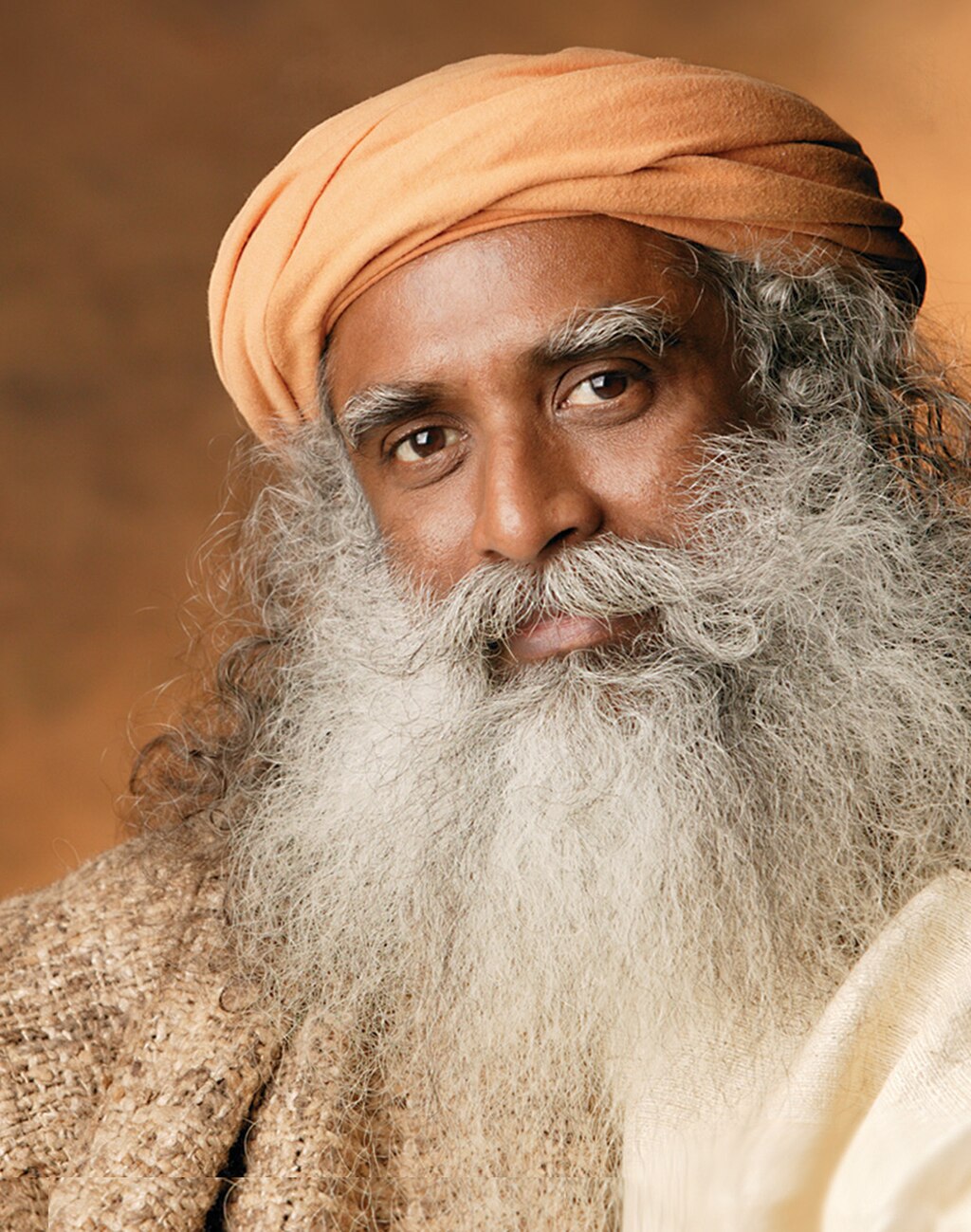
Sadhguru's profound assertion, "Make yourself in such a way that whatever may happen, you will not lose your humanity," invites us to cultivate an inner resilience that transcends external circumstances. In a world rife with unpredictability, this call to maintain our humanity becomes a vital endeavor. It speaks to the essence of our being, urging us to forge a character that remains steadfast, regardless of the trials we face. The stakes are high; losing our humanity can lead to disconnection, despair, and a sense of alienation from ourselves and others.
This quote resonates deeply in our contemporary landscape, where the pressures of life can often lead us to compromise our values and integrity. Sadhguru's wisdom encourages us to engage in a transformative practice that nurtures our core essence, allowing us to respond to life's challenges with compassion and understanding. By embodying this teaching, we not only preserve our own humanity but also contribute positively to the collective human experience, fostering a sense of connection and empathy in a world that often feels fragmented.
The image / the metaphor
The imagery within Sadhguru's quote evokes a sense of intentionality and self-cultivation. The phrase "make yourself" suggests an active, deliberate process of shaping one's character and values. The use of "whatever may happen" acknowledges the unpredictability of life, while "you will not lose your humanity" serves as a powerful reminder of the importance of maintaining our core essence amidst adversity. This juxtaposition of action and circumstance creates a felt sense of urgency, urging us to engage in a continuous practice of self-awareness and growth.
Diving deeper into the metaphor, we can see that Sadhguru is not merely advocating for a passive acceptance of life’s challenges but rather an active engagement with them. The notion of "not losing your humanity" implies a profound understanding of what it means to be human—embracing vulnerability, empathy, and connection. It suggests that our humanity is not a fixed trait but a dynamic quality that can be cultivated and strengthened through conscious effort. This metaphor invites us to envision ourselves as sculptors of our own character, shaping our responses to the world with intention and care.
In the speaker's tradition
Within the tradition of yoga, Sadhguru’s teaching resonates with the concept of dharma, which emphasizes living in alignment with one’s true nature and purpose. Dharma calls for an understanding of our interconnectedness and the responsibilities that arise from it. By cultivating our humanity, we align ourselves with the principles of compassion and service that are central to this tradition. This teaching also echoes the idea of kenosis, or self-emptying, where one relinquishes ego and personal desires to embrace a more profound connection with others and the universe.
A relevant text that complements this teaching is the Bhagavad Gita, where Lord Krishna advises Arjuna to act according to his dharma, even amidst the chaos of battle. The Gita emphasizes the importance of maintaining one's integrity and humanity in the face of adversity, urging individuals to rise above personal turmoil and act for the greater good. This timeless wisdom reinforces Sadhguru's message, reminding us that our humanity is not merely a personal attribute but a collective responsibility that shapes the world around us.
Living the teaching
Consider a modern scenario where this teaching finds its application: a workplace filled with stress and competition. In such an environment, it is easy to lose sight of our humanity, succumbing to the pressures of ambition and rivalry. However, by embodying Sadhguru's wisdom, one can choose to approach colleagues with empathy and kindness, fostering a culture of collaboration rather than competition. This conscious choice not only preserves one's own humanity but also inspires others to do the same, creating a ripple effect of compassion and understanding.
Another poignant application of this teaching can be found in personal relationships, especially during moments of conflict. When faced with disagreements, it is tempting to react defensively or with anger, risking the loss of connection with loved ones. By remembering Sadhguru's call to maintain our humanity, we can pause and respond with compassion, seeking to understand the other person's perspective. This practice not only deepens our relationships but also reinforces our commitment to embodying the very essence of what it means to be human—vulnerable, empathetic, and resilient.
A reflection
As we contemplate Sadhguru's profound statement, we are invited to reflect on our own lives: In what ways can we cultivate our humanity amidst the challenges we face? This question encourages us to examine our responses to adversity and consider how we can actively shape our character to remain compassionate and connected. By engaging with this inquiry, we can begin to uncover the practices and mindsets that will help us embody our humanity more fully, not only for ourselves but for the world around us.