EveryGetaway

すべてのRetreatsを見る

Find your transformative retreat

retreats

Yoga Retreats
Meditation Retreats
Wellness Retreats
Spiritual Retreats
Adventure Retreats
Creative Retreats
Couples Retreats
Detox & Cleanse
Fitness Retreats
Corporate Retreats
人気の目的地
BaliSedonaLos AngelesCosta RicaNew YorkSan FranciscoAustinMiamiJoshua TreeTulum
すべてのカテゴリを見るすべての目的地を見る

すべての機能を探索

イベントを成長させる強力なツール

プラットフォーム機能

スマートダイナミックプライシング
チケットカテゴリ
座席指定
カート放棄リカバリー
訪問者リカバリー
寄付とスライディングスケール
アフィリエイトシステム
チケットスキャナー
クーポンコード
カスタム質問
チケット共有
アップセルとアドオン
分析とレポート
メールシーケンス
ウェイトリスト / 通知 / リマインダー
人と場所
Retreat LeadersRetreat OrganizersRetreat CentersKnowledge BaseInspiration
すべての機能を見る私たちについて
料金ブログ
Language
Saved events
すべてのイベントを見る

retreats

Yoga RetreatsMeditation RetreatsWellness RetreatsSpiritual RetreatsAdventure RetreatsCreative RetreatsCouples RetreatsDetox & Cleanse

人気の目的地

BaliSedonaLos AngelesCosta RicaNew YorkSan Francisco

人と場所

Retreat LeadersRetreat OrganizersRetreat CentersKnowledge BaseInspiration

プラットフォーム機能

スマートダイナミックプライシングチケットカテゴリ座席指定カート放棄リカバリー訪問者リカバリー寄付とスライディングスケールアフィリエイトシステムチケットスキャナークーポンコードカスタム質問チケット共有アップセルとアドオン分析とレポートメールシーケンスウェイトリスト / 通知 / リマインダー
すべての機能を見る私たちについて
料金ブログ
ログインSeekersRetreat leaders
  • すべてのRetreatsを見る
  • 探求者向け
  • Yoga Retreats
  • Meditation Retreats
  • Wellness Retreats
  • Spiritual Retreats
  • Adventure Retreats
  • Creative Retreats
  • Couples Retreats
  • Detox & Cleanse
  • Fitness Retreats
  • Corporate Retreats
  • リトリート
  • ワークショップ
  • すべてのカテゴリ →
  • Bali, Indonesia
  • Costa Rica
  • Tulum, Mexico
  • Sedona, Arizona
  • Thailand
  • Portugal
  • India
  • Hawaii
  • Greece
  • Spain
  • California
  • Colorado
  • Sri Lanka
  • Morocco
  • すべての都市 →
  • 組織向け Retreat leaders
  • 組織向け
  • 料金
  • 50万人以上のバイヤーネットワーク
  • カート放棄リカバリー
  • スマートダイナミックプライシング
  • チケットカテゴリ
  • 定期イベント
  • 座席指定
  • アフィリエイトシステム
  • ウェイトリスト / 通知
  • チケットスキャナー
  • 埋め込みウィジェット
  • イベント配信
  • メッセージセンター
  • インテグレーション
  • レポート
  • すべての機能 →
  • 概要
  • エコシステム
  • ブログ
  • 用語集
  • インスピレーション
  • ヘルプセンター
  • お問い合わせ
  • APIドキュメント
  • ブランドアセット
  • 採用
  • プレス
  • 利用規約
  • プライバシーポリシー

Retreats

  • すべてのRetreatsを見る
  • 探求者向け
  • Yoga Retreats
  • Meditation Retreats
  • Wellness Retreats
  • Spiritual Retreats
  • Adventure Retreats
  • Creative Retreats
  • Couples Retreats
  • Detox & Cleanse
  • Fitness Retreats
  • Corporate Retreats
  • リトリート
  • ワークショップ
  • すべてのカテゴリ →

目的地

  • Bali, Indonesia
  • Costa Rica
  • Tulum, Mexico
  • Sedona, Arizona
  • Thailand
  • Portugal
  • India
  • Hawaii
  • Greece
  • Spain
  • California
  • Colorado
  • Sri Lanka
  • Morocco
  • すべての都市 →

組織向け Retreat leaders

  • 組織向け Retreat leaders
  • 組織向け
  • 料金

機能

  • 50万人以上のバイヤーネットワーク
  • カート放棄リカバリー
  • スマートダイナミックプライシング
  • チケットカテゴリ
  • 定期イベント
  • 座席指定
  • アフィリエイトシステム
  • ウェイトリスト / 通知
  • チケットスキャナー
  • 埋め込みウィジェット
  • イベント配信
  • メッセージセンター
  • インテグレーション
  • レポート
  • すべての機能 →

会社

  • 概要
  • エコシステム
  • ブログ
  • 用語集
  • インスピレーション
  • ヘルプセンター
  • お問い合わせ
  • APIドキュメント
  • ブランドアセット
  • 採用
  • プレス
  • 利用規約
  • プライバシーポリシー
EveryGetaway
© 2026 EveryGetaway. 全著作権所有.
Inspiration

Bowing to Everything: The Practice of Radical Acceptance

Be Here Now Network
Be Here Now Network
Apr 18, 2025
読了 約6分

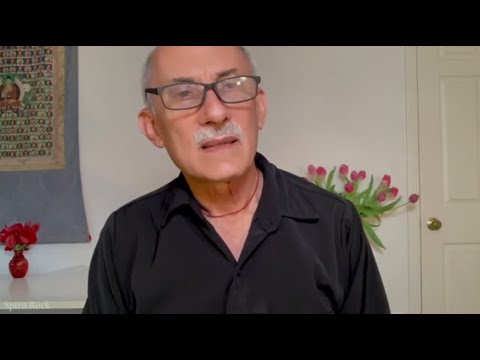
Jack Kornfield teaches that suffering arises from fighting against reality—what is true. By practicing "bowing to everything," we cultivate radical acceptance and release the resistance that causes pain. This is not resignation but a conscious choice to meet life as it is, which paradoxically opens pathways to genuine transformation and peace.

読む · 6セクション

What Does It Mean to Bow to Everything?

Bowing, in the spiritual traditions Kornfield draws from, is not merely a physical gesture of respect or submission to an external authority. Rather, it is an internal gesture of acknowledgment and acceptance toward reality itself. When Kornfield speaks of "bowing to everything," he is inviting practitioners to stop fighting with the fundamental nature of their experience—whether that experience is pleasant, unpleasant, or neutral.

This practice operates on a simple but profound principle: the more we resist, deny, or argue with what is actually occurring, the more we suffer. The pain is not caused by the experience itself, but by our refusal to accept it. A difficult emotion, a loss, a limitation, or an unwanted circumstance becomes doubly painful when we add the layer of internal resistance—the "No, this shouldn't be happening" that accompanies the event itself.

Why Does Fighting with Truth Create Suffering?

Kornfield's central teaching, captured in the quote "The more we fight with what's true, the more we suffer," points to a fundamental mechanism of psychological pain. When we encounter something difficult, our habitual response is often to push it away, deny it, or rage against its existence. This is a natural survival instinct in the face of threat, but when applied to situations we cannot actually change, it becomes a self-inflicted wound.

Consider grief: the death of a loved one is irreversible. The fact of their passing is true. Many people spend years fighting this truth—waiting for them to return, replaying how things might have been different, or refusing to accept the reality. This internal struggle does not bring the person back; it only adds layers of anguish on top of the original pain. The acceptance—the "bowing" to the reality of loss—does not erase grief, but it allows the grief to move through us rather than become a permanent knot of resistance.

The same principle applies to physical pain, emotional rejection, financial hardship, or any circumstance beyond our immediate control. The event has already occurred. Fighting it is like punching a wall that is already there; the wall does not move, but our fist breaks.

How Is Bowing Different from Resignation or Defeat?

A common misconception about acceptance is that it means passivity, weakness, or giving up. Kornfield's teaching makes clear that this is not the case. Bowing to everything is not the same as becoming a victim or abandoning agency. Rather, it is the precondition for wise action.

Once we have genuinely accepted a situation as it is—bowed to its reality—we are free to respond to it intelligently. A person who accepts that they have a chronic illness, rather than spending emotional energy fighting the diagnosis, can now direct that energy toward managing their health, adapting their life, finding meaning, and maintaining connection with others. The acceptance is the ground from which effective action grows.

Similarly, accepting a difficult emotion does not mean being enslaved by it. A person who accepts that grief, anger, or fear is present—who bows to it rather than fights it—paradoxically gains more freedom in relation to it. The emotion can be felt fully, can move, can transform. When we fight an emotion, we tend to lock it in place, recycling it endlessly. When we accept it, it flows.

What Is the Spiritual Significance of the Bowing Gesture?

In many Buddhist and Hindu traditions, bowing is a formal expression of humility and recognition of something greater than the separate self. When Kornfield speaks of bowing to everything—not just to what we approve of or understand, but to the full spectrum of reality—he is cultivating a profound shift in identity and perspective.

Bowing to everything means recognizing that the small "I" that judges, prefers, and resists is not the whole of who we are. It means touching a deeper awareness that can hold both joy and suffering, both success and failure, without being diminished by either. This is not masochism; it is wisdom. It is the recognition that resistance to reality is futile, and that peace comes through alignment with what is true rather than through attempted domination of what we dislike.

The practice also cultivates compassion. When we bow to the difficulty in our own experience, we naturally extend that same acceptance to others. We see that everyone is struggling with the same fundamental challenge: living in a reality that does not always match our preferences. This recognition dissolves the sense of isolation and shame that often accompanies suffering.

How Does This Practice Transform Consciousness?

Kornfield's emphasis on bowing to everything is not merely a coping mechanism for dealing with unavoidable hardship. Rather, it is a gateway to a fundamental transformation in consciousness. As we release the exhausting effort of fighting with reality, we free enormous energy. That energy can now be redirected toward presence, compassion, growth, and authentic engagement with life.

Moreover, the practice of acceptance itself becomes a kind of liberation. Many spiritual traditions point to the paradox that it is only through complete acceptance of what is that we are truly free. This is not because acceptance is a strategy to eventually change things (though it often enables change), but because the freedom itself is located in the acceptance, not in the conquest of circumstances.

The practice also loosens the grip of the conditioned mind—the automatic patterns of judgment, preference, and resistance that keep us trapped in habitual suffering. By bowing, we interrupt the loop. We introduce a conscious pause in which we acknowledge reality before the habitual reaction kicks in. This pause is the space in which transformation becomes possible.

Where to Go From Here

If you are drawn to Kornfield's teaching, consider beginning with a simple practice: notice one moment each day in which you feel resistance to what is true. It might be physical discomfort, an unwanted thought, a difficult emotion, or a frustrating circumstance. Rather than immediately pushing it away, pause. Take a breath. Acknowledge: this is happening. This is true right now. See if you can bow inwardly to the reality of it, even for just a few seconds. This small gesture of acceptance can loosen the stranglehold of resistance and create space for wiser action or genuine peace. Over time, as this practice deepens, the transformation Kornfield points to becomes increasingly available—not as something to achieve, but as what naturally emerges when we stop fighting with what is true.

Comments

Loading the conversation…

Be Here Now Network
ArtistBe Here Now Network

Be Here Now Network is the creator of Heart Wisdom with Jack Kornfield, a podcast exploring consciousness, spirituality, and personal transformation. With 313 episodes, they have c…

プロフィールを見るウェブサイト
トピックを見る
AcceptanceSufferingSpiritual-practiceResistance-realityContemplative-practice

ご質問はありますか?

よくある質問

When we resist or fight an emotion, we tend to lock it in place through continuous mental opposition. Acceptance—bowing to the emotion's presence—allows it to be fully felt and thus move through us naturally. This paradox means that acceptance is often the fastest path to transformation, not through effort but through allowing.
No. Accepting what is true is the precondition for wise action, not its opposite. Once you genuinely accept a situation—such as a health condition or loss—you free the mental and emotional energy previously locked in resistance, allowing you to respond strategically and effectively rather than from a place of denial.
Begin by simply pausing and acknowledging the reality: 'This is happening. This is true right now.' You don't need to like it or approve of it. The practice is the conscious recognition of what is, even for a few seconds, which interrupts the habitual cycle of resistance and creates space for a different response.
Acceptance is an active, conscious acknowledgment of reality that opens possibilities. Resignation is passive giving up without this awareness. Acceptance can lead to engaged action and adaptation; resignation leads to stagnation. Bowing is acceptance—a deliberate spiritual choice, not defeat.
The original difficulty is a single layer of pain. Fighting or denying it adds a second layer—the internal struggle, the judgment, the 'this shouldn't be.' This compounded resistance is what creates the bulk of human suffering. Accepting the original difficulty, without the added layer of denial, leaves us with manageable pain rather than amplified anguish.
Yes. Chronic pain often involves both the physical sensation and significant mental resistance to its presence. By accepting that pain is occurring—bowing to it—people often find the suffering (the mental component) decreases, even if the physical sensation remains. This creates more freedom and quality of life within the constraints.

読みつづける

More from Be

すべて表示
When Science Meets the Unmeasurable: Paradigm Collapse and Spiritual Inquiry
Inspire

When Science Meets the Unmeasurable: Paradigm Collapse and Spiritual Inquiry

Ram Dass recounts his encounter with a Nobel laureate physicist who accepted every story about his guru—until one crossed the line. The gap …

1 min read
Be Here Now: The Stranger Who Changed Everything
Inspire

Be Here Now: The Stranger Who Changed Everything

A barefoot mystic appeared at a Kathmandu restaurant in 1969 and transmitted a teaching that reshaped American spirituality. This is the ori…

1 min read
Guided Meditation on Loving Awareness and Mindful Stillness
Inspire

Guided Meditation on Loving Awareness and Mindful Stillness

A 25-minute guided meditation teaching mindfulness of breath, body sensations, emotions, and thoughts through loving awareness and spacious …

1 min read
The Three Basic Truths: Impermanence, Suffering, and No-Self
Inspire

The Three Basic Truths: Impermanence, Suffering, and No-Self

Explore Buddhism's foundational teachings on impermanence, suffering, and no-self as gateways to liberation and freedom from identification.…

1 min read

探索を続ける

旅をつづける

BrightStarのディレクトリから、さらなる智慧と集いを。

もっと記事を読む

教え、インタビュー、ガイドのライブラリ全体をご覧ください。

すべての記事に戻る →

講師とアーティスト

コンシャスな世界の系譜、音楽家、導き手を探しましょう。

アーティストを探す →

イベントを見つける

キルタン、リトリート、サウンドバス、ブレスワーク、フェスティバル — まもなく開かれます。

イベントを見る →