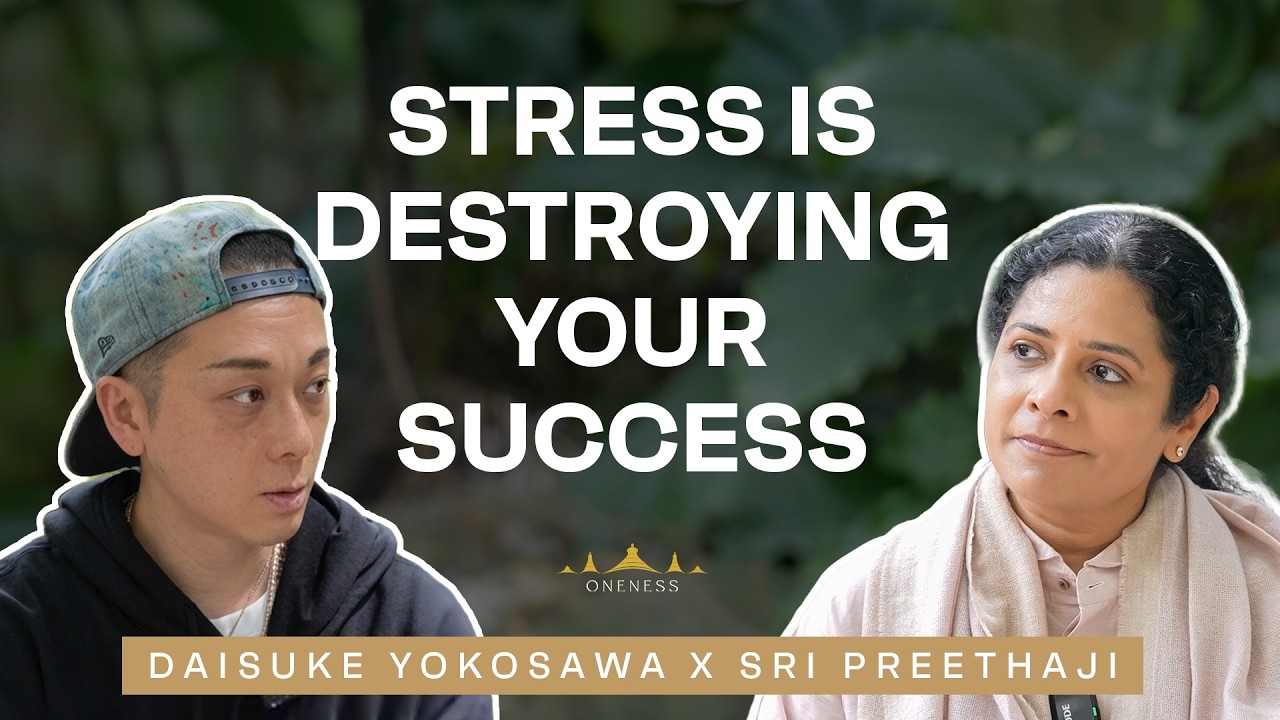
Emotional abuse in childhood leaves deep psychological imprints that keep us trapped in self-referential suffering. Rather than processing trauma solely through individual therapeutic work, expanding your awareness to encompass a larger perspective on existence—moving beyond the "me" narrative—can fundamentally shift how the past impacts you. This approach integrates both healing and spiritual awakening, suggesting that freedom from childhood abuse comes not just through revisiting pain but through a consciousness shift that reduces the grip of self-centered identification.
What Does Childhood Emotional Abuse Actually Do to Consciousness?
Childhood emotional abuse—whether through criticism, neglect, invalidation, or conditional love—creates a wound at the level of self-perception. The child develops a fragmented sense of identity, often internalizing the abuser's voice as their own inner dialogue. This creates what might be called a "suffering self" that remains hypervigilant, seeking validation and protection decades later. The impact is not simply psychological; it is ontological. The person's entire relationship to existence becomes filtered through survival mechanisms built in response to threat.
Sri Krishnaji's teaching points to a deeper dimension: that as long as consciousness remains contracted around "me"—my wound, my story, my survival needs—that wound retains power. The abuse becomes a gravitational center around which identity orbits. Healing, from this perspective, requires more than processing the memory; it requires a fundamental reorganization of where you place your attention and identity.
How Does Focusing Away From Self Transform Trauma Response?
The traditional therapeutic approach to childhood abuse involves returning to the trauma, validating the pain, and gradually building resilience. This work is necessary. However, the teaching here suggests an additional and complementary movement: the deliberate expansion of awareness to larger contexts—collective suffering, the nature of existence itself, the patterns that operate beyond personal narrative.
When you move your focus from "What was done to me?" to "What is the nature of suffering in existence?" or "How does this pattern appear in humanity broadly?" the psychological charge begins to dissipate. This is not dissociation or spiritual bypassing; it is a genuine reorientation of consciousness. The wound remains visible, but it no longer defines the perimeter of your awareness. You begin to see your particular pain as an instance of a universal human struggle rather than as a unique personal failure or defining identity marker.
This shift serves a practical function: when consciousness expands beyond self-reference, the trauma loses its power to contract you into defensive patterns. You can look at what happened without being pulled into the emotional vortex repeatedly. The nervous system gradually recalibrates when the focus is no longer on proving your worth or protecting against future harm, but on participating in something larger than yourself.
What Is the Connection Between Personal Healing and Enlightened Consciousness?
The description references "enlightened leadership," suggesting that freedom from childhood abuse is not merely personal healing but a gateway to a more expanded consciousness. In many contemplative traditions, individual trauma and collective consciousness are understood as inseparable. As long as you remain contracted in self-protective patterns, your capacity to recognize and serve what is beyond yourself remains limited.
Conversely, moving toward enlightened consciousness—what might be called a "bigger picture" awareness—naturally dissolves the grip of personal grievance. This is not because the abuse didn't matter or wasn't real; it is because consciousness at this level no longer needs the protective identity that abuse created. The person who has been criticized and invalidated becomes someone who sees through the mechanism of criticism itself; the wound transforms into wisdom about human vulnerability.
This integration means that healing childhood emotional abuse and spiritual awakening are not separate paths but aspects of a single movement: the expansion of awareness beyond self-limitation. As you access enlightened consciousness, the personal wound is no longer denied but is contextualized within a reality too vast to be diminished by individual suffering.
Can You Heal Childhood Abuse Without Reliving the Trauma?
A key implication of this teaching is that freedom from trauma does not require endless reprocessing of the wound. While some therapeutic work with the specific memories and patterns may be necessary, the primary mechanism of liberation is the shift in awareness itself. By focusing on the bigger picture, the larger patterns, the universal aspects of human suffering, you create a container in which the personal trauma loses its grip without needing to be continually excavated.
This approach recognizes that some abuse survivors become stuck in cycles of processing—revisiting the wound again and again, which can reinforce rather than dissolve its power. The movement toward enlightened consciousness offers a different pathway: one in which you acknowledge what happened but do not remain imprisoned by it as your primary reference point. Your identity expands to include other possibilities, other ways of relating to existence.
What Does It Mean to Move From Self-Centered Suffering to the Bigger Picture?
Self-centered suffering is not selfish; it is the natural response of a wounded psyche. The child who was abused had to focus intensely on protecting themselves, reading signals, managing the abuser's moods. This created a consciousness entirely organized around "me and my safety." That organization remains in place in the adult even when the external threat is gone.
Moving to the bigger picture means deliberately expanding the field of your awareness. Instead of asking "Why was I hurt? What's wrong with me?" you ask "What is the human condition? How do pain and limitation show up in all existence? What is my role in the larger whole?" This is not intellectualization; it is a practice of reorienting attention and consciousness. As you do this repeatedly, the nervous system begins to feel safety in expansion rather than in contraction, and the childhood wound loses its urgent claim on your awareness.
The bigger picture includes understanding that the people who harmed you were also caught in their own limitations, their own unhealed wounds. This does not excuse their behavior, but it removes the personalization. You were not abused because something was fundamentally wrong with you; you were affected by someone's limitation. That is a different story entirely, one that opens toward compassion and freedom rather than remaining locked in shame or blame.
Where to Go From Here
If childhood emotional abuse has shaped your consciousness and identity, consider this invitation: begin to practice expanding your focus. In moments when you feel triggered or the old wound activates, pause and deliberately shift your awareness. What is the universal human pattern here? How is this showing up in the collective? What larger context does this belong to? This is not instead of any needed therapeutic work; it complements it. Over time, this practice of expanding awareness rewires your relationship to the past. The wound does not vanish, but it ceases to be the organizing principle of your consciousness. In this freedom, enlightened leadership—the capacity to serve something larger than personal healing—becomes possible.