EveryGetaway

すべてのRetreatsを見る

Find your transformative retreat

retreats

Yoga Retreats
Meditation Retreats
Wellness Retreats
Spiritual Retreats
Adventure Retreats
Creative Retreats
Couples Retreats
Detox & Cleanse
Fitness Retreats
Corporate Retreats
人気の目的地
BaliSedonaLos AngelesCosta RicaNew YorkSan FranciscoAustinMiamiJoshua TreeTulum
すべてのカテゴリを見るすべての目的地を見る

すべての機能を探索

イベントを成長させる強力なツール

プラットフォーム機能

スマートダイナミックプライシング
チケットカテゴリ
座席指定
カート放棄リカバリー
訪問者リカバリー
寄付とスライディングスケール
アフィリエイトシステム
チケットスキャナー
クーポンコード
カスタム質問
チケット共有
アップセルとアドオン
分析とレポート
メールシーケンス
ウェイトリスト / 通知 / リマインダー
人と場所
Retreat LeadersRetreat OrganizersRetreat CentersKnowledge BaseInspiration
すべての機能を見る私たちについて
料金ブログ
Language
Saved events
すべてのイベントを見る

retreats

Yoga RetreatsMeditation RetreatsWellness RetreatsSpiritual RetreatsAdventure RetreatsCreative RetreatsCouples RetreatsDetox & Cleanse

人気の目的地

BaliSedonaLos AngelesCosta RicaNew YorkSan Francisco

人と場所

Retreat LeadersRetreat OrganizersRetreat CentersKnowledge BaseInspiration

プラットフォーム機能

スマートダイナミックプライシングチケットカテゴリ座席指定カート放棄リカバリー訪問者リカバリー寄付とスライディングスケールアフィリエイトシステムチケットスキャナークーポンコードカスタム質問チケット共有アップセルとアドオン分析とレポートメールシーケンスウェイトリスト / 通知 / リマインダー
すべての機能を見る私たちについて
料金ブログ
ログインSeekersRetreat leaders
  • すべてのRetreatsを見る
  • 探求者向け
  • Yoga Retreats
  • Meditation Retreats
  • Wellness Retreats
  • Spiritual Retreats
  • Adventure Retreats
  • Creative Retreats
  • Couples Retreats
  • Detox & Cleanse
  • Fitness Retreats
  • Corporate Retreats
  • リトリート
  • ワークショップ
  • すべてのカテゴリ →
  • Bali, Indonesia
  • Costa Rica
  • Tulum, Mexico
  • Sedona, Arizona
  • Thailand
  • Portugal
  • India
  • Hawaii
  • Greece
  • Spain
  • California
  • Colorado
  • Sri Lanka
  • Morocco
  • すべての都市 →
  • 組織向け Retreat leaders
  • 組織向け
  • 料金
  • 50万人以上のバイヤーネットワーク
  • カート放棄リカバリー
  • スマートダイナミックプライシング
  • チケットカテゴリ
  • 定期イベント
  • 座席指定
  • アフィリエイトシステム
  • ウェイトリスト / 通知
  • チケットスキャナー
  • 埋め込みウィジェット
  • イベント配信
  • メッセージセンター
  • インテグレーション
  • レポート
  • すべての機能 →
  • 概要
  • エコシステム
  • ブログ
  • 用語集
  • インスピレーション
  • ヘルプセンター
  • お問い合わせ
  • APIドキュメント
  • ブランドアセット
  • 採用
  • プレス
  • 利用規約
  • プライバシーポリシー

Retreats

  • すべてのRetreatsを見る
  • 探求者向け
  • Yoga Retreats
  • Meditation Retreats
  • Wellness Retreats
  • Spiritual Retreats
  • Adventure Retreats
  • Creative Retreats
  • Couples Retreats
  • Detox & Cleanse
  • Fitness Retreats
  • Corporate Retreats
  • リトリート
  • ワークショップ
  • すべてのカテゴリ →

目的地

  • Bali, Indonesia
  • Costa Rica
  • Tulum, Mexico
  • Sedona, Arizona
  • Thailand
  • Portugal
  • India
  • Hawaii
  • Greece
  • Spain
  • California
  • Colorado
  • Sri Lanka
  • Morocco
  • すべての都市 →

組織向け Retreat leaders

  • 組織向け Retreat leaders
  • 組織向け
  • 料金

機能

  • 50万人以上のバイヤーネットワーク
  • カート放棄リカバリー
  • スマートダイナミックプライシング
  • チケットカテゴリ
  • 定期イベント
  • 座席指定
  • アフィリエイトシステム
  • ウェイトリスト / 通知
  • チケットスキャナー
  • 埋め込みウィジェット
  • イベント配信
  • メッセージセンター
  • インテグレーション
  • レポート
  • すべての機能 →

会社

  • 概要
  • エコシステム
  • ブログ
  • 用語集
  • インスピレーション
  • ヘルプセンター
  • お問い合わせ
  • APIドキュメント
  • ブランドアセット
  • 採用
  • プレス
  • 利用規約
  • プライバシーポリシー
EveryGetaway
© 2026 EveryGetaway. 全著作権所有.
Inspiration

Night by Dark Water: Live Kirtan Performance & Spiritual Music

Shannon Hayden
Shannon Hayden
Oct 19, 2024
読了 約5分

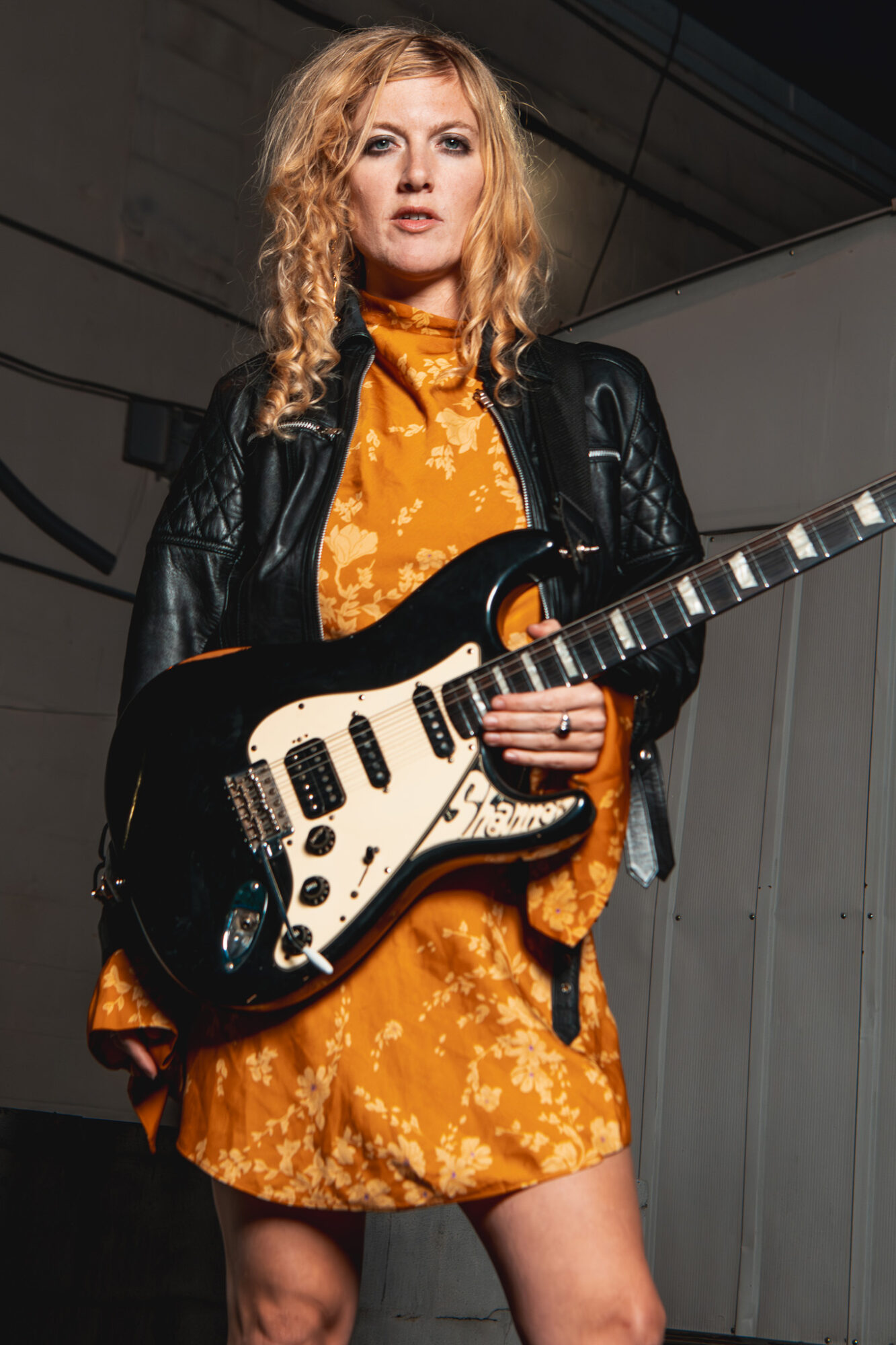
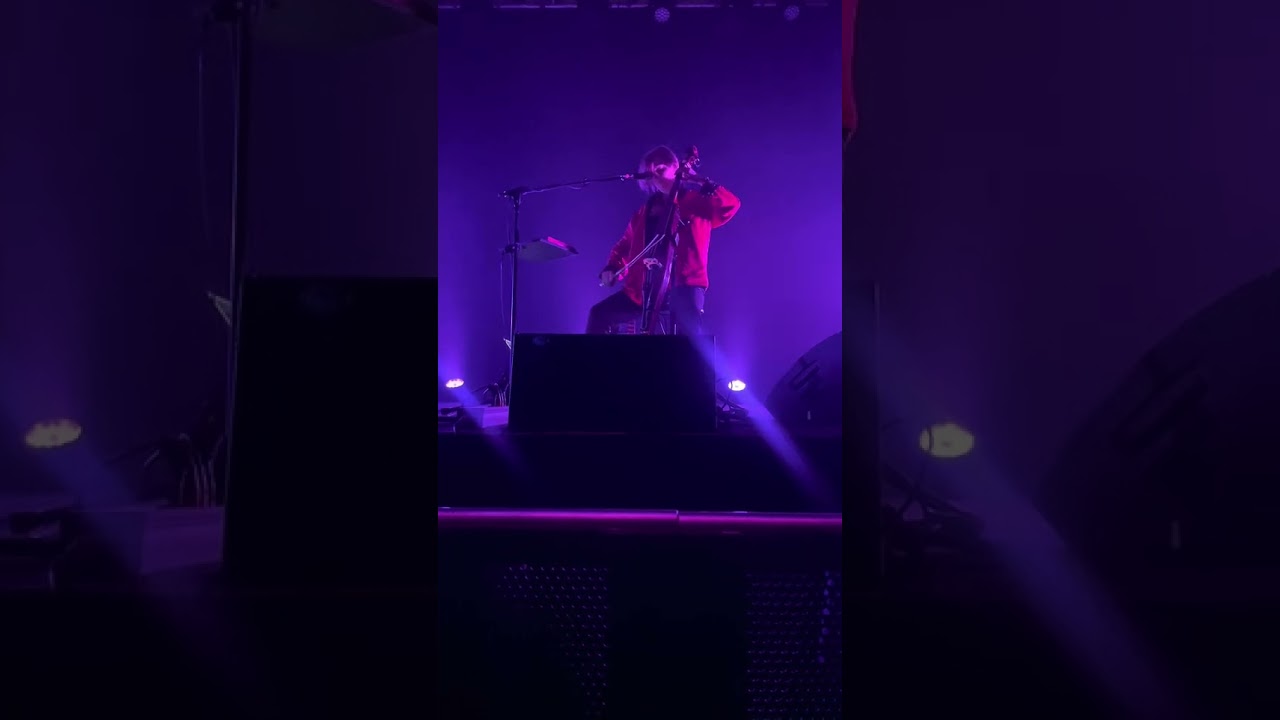
Shannon Hayden performs "Night by Dark Water," a live kirtan and spiritual music piece, at Stanford's Center for Computer Research in Music and Acoustics. The performance demonstrates how contemporary musicians are reviving and reframing kirtan—the call-and-response singing practice rooted in Hindu and yogic traditions—in academic and secular spaces. This session captures the intersection of devotional sound practice, live performance art, and contemplative music as a vehicle for presence and collective experience.

読む · 6セクション

What is kirtan and how does it function as spiritual practice?

Kirtan is a participatory singing practice originating in Hindu, Sikh, and yogic traditions, where a lead vocalist chants sacred names, mantras, or devotional phrases, and the audience or sangha (spiritual community) responds with call-and-response patterns. Unlike concert music designed for passive listening, kirtan invites active vocal participation from all present, creating a shared sonic field that practitioners believe facilitates states of presence, devotion, and connection.

The practice operates on several levels simultaneously: musically, it uses repetition and rhythm to anchor attention; spiritually, it channels devotion through sound and breath; communally, it synchronizes individual voices into collective resonance. When Shannon Hayden performs kirtan pieces like "Night by Dark Water" in contemporary settings such as Stanford CCRMA, she bridges traditional practice with modern concert contexts, demonstrating how these ancient forms remain alive and relevant in 21st-century musical and contemplative spaces.

How does live performance shape the kirtan experience?

Live kirtan performance differs fundamentally from recorded music or even from silent meditation. The presence of a skilled vocalist creates what might be called a "sonic container"—a held space structured by melody, rhythm, and intention. The performer's breath, tone quality, and attention directly influence the field available to listeners. At a venue like Stanford CCRMA, a specialized acoustics research center, the technical qualities of the space itself become part of the practice: how sound reflects, decays, and travels through the room affects how participants experience and absorb the chanting.

Shannon Hayden's live performance also demonstrates the performer's role as both guide and fellow traveler. Rather than maintaining the detached professionalism of a concert musician, a kirtan vocalist remains present to their own practice while holding space for others. This requires real-time responsiveness—listening to the energy of the room, adjusting tempo or phrasing based on collective resonance, and using silence as purposefully as sound.

Why bring kirtan to academic institutions like Stanford CCRMA?

Placing kirtan in an academic music research environment signals an important cultural shift: the recognition that contemplative and devotional music practices merit serious scholarly and artistic attention. Stanford's Center for Computer Research in Music and Acoustics is known for bridging scientific inquiry with artistic practice—exploring how sound works, how technology shapes music, and how music shapes consciousness.

When Shannon Hayden performs at CCRMA, she's participating in a conversation that asks: What can neuroscience, acoustics, and music theory learn from thousands of years of devotional sound practice? Conversely, how can contemporary technology, research, and interdisciplinary inquiry deepen and preserve kirtan traditions? This positioning also makes the practice accessible to people—students, researchers, curious listeners—who might not encounter it in traditional Hindu or yoga contexts, potentially opening the practice to new practitioners while maintaining its essential integrity.

What is the relationship between darkness, water, and spiritual practice?

The title "Night by Dark Water" evokes archetypal imagery common in spiritual and contemplative literature: night as the unknown, as rest, as the dissolution of ordinary consciousness; dark water as the formless, the depths, the container that holds all possibility. In many mystical traditions, these images point to states of consciousness beyond the rational mind—the fertile void, the ocean of being, the dark night of the soul.

By choosing this title for a kirtan piece, Shannon Hayden may be signaling the practice's capacity to move practitioners beyond the visible and rational into subtler dimensions of experience. Kirtan, performed in a room, creates a kind of inner night—a cessation of ordinary thought patterns, a submersion in sound and rhythm. The practice becomes a way of entering these archetypal spaces through voice and collective resonance rather than through literal darkness or journey.

How does repetition in kirtan facilitate meditation and presence?

Repetition is the fundamental technology of kirtan. By singing the same phrase, name, or mantra many times—sometimes for 20, 30, or 45 minutes in traditional settings—the conscious mind eventually loosens its grip. The repetitive structure creates a container in which the thinking mind can relax; attention naturally anchors to the rhythm and melody rather than wandering through thought narratives.

This isn't intellectual monotony. Rather, each repetition creates space for subtler layers of experience to emerge. The same words sung on the tenth pass sound different from those sung on the first; emotional valences shift, and what appeared static reveals itself as infinitely textured. For participants, this repetition-as-gateway becomes a bridge between doing (singing) and being (present, open, aligned with something larger than individual ego).

Where to go from here

If you're drawn to Shannon Hayden's approach to kirtan, consider exploring: other contemporary kirtan artists who are revitalizing the tradition (Jai Uttal, Radha, Krishna Das); academic research on chanting and its neurological effects; and local kirtan circles or classes in yoga studios and spiritual communities. If you're interested in the intersection of music, consciousness, and technology, CCRMA and similar institutions offer workshops and open performances. You might also deepen your understanding of Hindu and yogic philosophy to appreciate the spiritual roots of the mantras and names being chanted. Finally, if possible, attend a live kirtan performance rather than only listening to recordings—the collective, embodied dimension is essential to the practice.
Comments

Loading the conversation…

Shannon Hayden
ArtistShannon Hayden

Multi-instrumentalist composer and music teacher who blends folk, classical, and experimental music to create transformative sonic experiences that foster healing and self-expressi…

プロフィールを見るウェブサイト
トピックを見る
KirtanDevotional-musicLive-performanceSpiritual-practiceChanting

ご質問はありますか?

よくある質問

Kirtan is a participatory call-and-response chanting practice from Hindu and yogic traditions where a lead vocalist chants sacred names or mantras and the audience responds together. Unlike concert music meant for listening, kirtan invites active vocal participation to create shared resonance and facilitate states of presence and connection.
While kirtan can technically be practiced solo, it's traditionally and ideally a collective practice. The group creates what practitioners call sangha—spiritual community—and the synchronized voices amplify the meditative and devotional effects in ways individual practice doesn't replicate as fully.
Repetition anchors attention to rhythm and melody, naturally quieting the thinking mind and preventing it from wandering into narrative thought. After many repetitions, the conscious mind relaxes and subtler layers of experience can emerge, creating a gateway between active doing and passive presence.
Kirtan typically uses names and phrases from Sanskrit, often referring to Hindu deities and divine qualities—Krishna, Hanuman, Durga, Shiva, or Rama. These names function as focal points for devotion and as vehicles to access states of consciousness associated with those qualities or archetypal forces.
Kirtan has roots in Hindu and yogic spirituality but in contemporary Western settings is often practiced by people of any or no religious background. Many modern practitioners focus on the meditative and community aspects rather than literal devotion to deities, making it accessible across worldviews.
Institutions like Stanford's CCRMA recognize kirtan as a serious artistic and contemplative practice worthy of research and performance. Hosting these events bridges scientific inquiry into sound and consciousness with ancient spiritual traditions, and makes the practice accessible to scholars, students, and curious listeners.
Research suggests that repetitive chanting can reduce stress, lower heart rate, promote alpha brainwave states associated with relaxation, and synchronize brain activity across participants. The combination of rhythm, breath, and vocalization appears to activate parasympathetic nervous system response and states of calm focus.

読みつづける

More from Shannon

すべて表示
Void to Matter: Live Sound Performance at Ventura Music Hall
Inspire

Void to Matter: Live Sound Performance at Ventura Music Hall

Shannon Hayden explores the relationship between emptiness and physical form through a live sound performance at Ventura Music Hall.…

1 min read
When the Violin: Contemporary Choral Music and Spiritual Expression
Inspire

When the Violin: Contemporary Choral Music and Spiritual Expression

Shannon Hayden and University Singers perform Reena Esmail's "When the Violin," a contemporary choral work exploring the intersection of mus…

1 min read
Om Namah Shivaya Chant: Ecstatic Trance Meditation
Inspire

Om Namah Shivaya Chant: Ecstatic Trance Meditation

Jai Uttal guides listeners into an ecstatic chant trance with Om Namah Shivaya, the Sanskrit invocation of Shiva consciousness. A 91-second …

1 min read
Hanuman Chalisa: Ancient Mantra Clears Emotional Channels
Inspire

Hanuman Chalisa: Ancient Mantra Clears Emotional Channels

Krishna Das reveals how chanting Hanuman Chalisa unlocks prana flow through the body's subtle channels, transforming stored trauma into spir…

1 min read

探索を続ける

旅をつづける

BrightStarのディレクトリから、さらなる智慧と集いを。

もっと記事を読む

教え、インタビュー、ガイドのライブラリ全体をご覧ください。

すべての記事に戻る →

講師とアーティスト

コンシャスな世界の系譜、音楽家、導き手を探しましょう。

アーティストを探す →

イベントを見つける

キルタン、リトリート、サウンドバス、ブレスワーク、フェスティバル — まもなく開かれます。

イベントを見る →