
EveryGetaway

すべてのRetreatsを見る

Find your transformative retreat

retreats

Yoga Retreats
Meditation Retreats
Wellness Retreats
Spiritual Retreats
Adventure Retreats
Creative Retreats
Couples Retreats
Detox & Cleanse
Fitness Retreats
Corporate Retreats
人気の目的地
BaliSedonaLos AngelesCosta RicaNew YorkSan FranciscoAustinMiamiJoshua TreeTulum
すべてのカテゴリを見るすべての目的地を見る

すべての機能を探索

イベントを成長させる強力なツール

プラットフォーム機能

スマートダイナミックプライシング
チケットカテゴリ
座席指定
カート放棄リカバリー
訪問者リカバリー
寄付とスライディングスケール
アフィリエイトシステム
チケットスキャナー
クーポンコード
カスタム質問
チケット共有
アップセルとアドオン
分析とレポート
メールシーケンス
ウェイトリスト / 通知 / リマインダー
人と場所
Retreat LeadersRetreat OrganizersRetreat CentersKnowledge BaseInspiration
すべての機能を見る私たちについて
料金ブログ
Language
Saved events
すべてのイベントを見る

retreats

Yoga RetreatsMeditation RetreatsWellness RetreatsSpiritual RetreatsAdventure RetreatsCreative RetreatsCouples RetreatsDetox & Cleanse

人気の目的地

BaliSedonaLos AngelesCosta RicaNew YorkSan Francisco

人と場所

Retreat LeadersRetreat OrganizersRetreat CentersKnowledge BaseInspiration

プラットフォーム機能

スマートダイナミックプライシングチケットカテゴリ座席指定カート放棄リカバリー訪問者リカバリー寄付とスライディングスケールアフィリエイトシステムチケットスキャナークーポンコードカスタム質問チケット共有アップセルとアドオン分析とレポートメールシーケンスウェイトリスト / 通知 / リマインダー
すべての機能を見る私たちについて
料金ブログ
ログインSeekersRetreat leaders
  • すべてのRetreatsを見る
  • 探求者向け
  • Yoga Retreats
  • Meditation Retreats
  • Wellness Retreats
  • Spiritual Retreats
  • Adventure Retreats
  • Creative Retreats
  • Couples Retreats
  • Detox & Cleanse
  • Fitness Retreats
  • Corporate Retreats
  • リトリート
  • ワークショップ
  • すべてのカテゴリ →
  • Bali, Indonesia
  • Costa Rica
  • Tulum, Mexico
  • Sedona, Arizona
  • Thailand
  • Portugal
  • India
  • Hawaii
  • Greece
  • Spain
  • California
  • Colorado
  • Sri Lanka
  • Morocco
  • すべての都市 →
  • 組織向け Retreat leaders
  • 組織向け
  • 料金
  • 35万人以上のバイヤーネットワーク
  • カート放棄リカバリー
  • スマートダイナミックプライシング
  • チケットカテゴリ
  • 定期イベント
  • 座席指定
  • アフィリエイトシステム
  • ウェイトリスト / 通知
  • チケットスキャナー
  • 埋め込みウィジェット
  • イベント配信
  • メッセージセンター
  • インテグレーション
  • レポート
  • すべての機能 →
  • 概要
  • エコシステム
  • ブログ
  • 用語集
  • インスピレーション
  • ヘルプセンター
  • お問い合わせ
  • APIドキュメント
  • ブランドアセット
  • 採用
  • プレス
  • 利用規約
  • プライバシーポリシー

Retreats

  • すべてのRetreatsを見る
  • 探求者向け
  • Yoga Retreats
  • Meditation Retreats
  • Wellness Retreats
  • Spiritual Retreats
  • Adventure Retreats
  • Creative Retreats
  • Couples Retreats
  • Detox & Cleanse
  • Fitness Retreats
  • Corporate Retreats
  • リトリート
  • ワークショップ
  • すべてのカテゴリ →

目的地

  • Bali, Indonesia
  • Costa Rica
  • Tulum, Mexico
  • Sedona, Arizona
  • Thailand
  • Portugal
  • India
  • Hawaii
  • Greece
  • Spain
  • California
  • Colorado
  • Sri Lanka
  • Morocco
  • すべての都市 →

組織向け Retreat leaders

  • 組織向け Retreat leaders
  • 組織向け
  • 料金

機能

  • 35万人以上のバイヤーネットワーク
  • カート放棄リカバリー
  • スマートダイナミックプライシング
  • チケットカテゴリ
  • 定期イベント
  • 座席指定
  • アフィリエイトシステム
  • ウェイトリスト / 通知
  • チケットスキャナー
  • 埋め込みウィジェット
  • イベント配信
  • メッセージセンター
  • インテグレーション
  • レポート
  • すべての機能 →

会社

  • 概要
  • エコシステム
  • ブログ
  • 用語集
  • インスピレーション
  • ヘルプセンター
  • お問い合わせ
  • APIドキュメント
  • ブランドアセット
  • 採用
  • プレス
  • 利用規約
  • プライバシーポリシー
EveryGetaway
© 2026 EveryGetaway. 全著作権所有.
Inspiration

Time Alone Cannot CureDepression: Connection is Key

Oneness Movement
Oneness Movement
Jun 23, 2024
読了 約4分

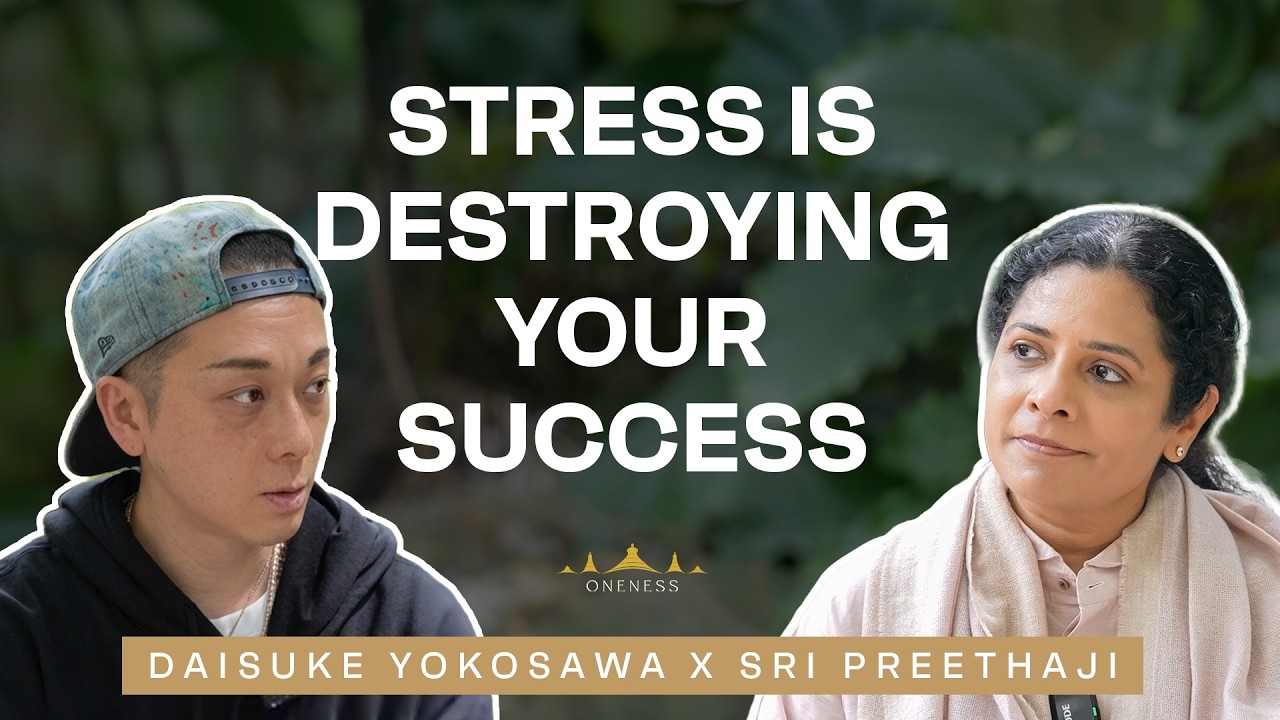
A common belief holds that time heals all wounds, including depression—that waiting it out or maintaining emotional distance will eventually resolve depressive states. Sri Preethaji challenges this misconception, arguing that depression does not naturally dissolve through passive waiting. Instead, she emphasizes two critical factors: recognizing depression's early warning signs and actively cultivating a state of connection rather than aloofness. This framework reframes depression not as something that disappears with patience, but as something requiring intentional engagement and emotional presence.

読む · 5セクション

Does Time Really Cure Depression?

The cultural narrative suggests that difficult emotional periods fade with time. Yet Sri Preethaji's teaching directly contests this assumption. Depression, she explains, is not a problem that resolves through passive endurance. When someone adopts an aloof stance—withdrawing, isolating, or emotionally distancing themselves—they do not accelerate healing. Instead, aloofness can deepen the condition by creating a separation from the very resources needed to move through it.

This insight shifts the responsibility from time's passage to active participation in one's own healing. The depression itself does not evaporate. Rather, it persists and may even intensify if met only with detachment.

Why Early Recognition Matters

Sri Preethaji highlights early recognition as a cornerstone of addressing depression effectively. Many people delay acknowledging their emotional state, hoping it will naturally resolve. This delay often allows depressive patterns to deepen their roots. By recognizing depression's signs early—changes in energy, motivation, sleep, or emotional tone—a person creates the possibility of intervening before the condition solidifies.

Early recognition is not about self-diagnosis or panic; it is about honest observation. When someone notices persistent low mood, emotional numbness, or withdrawal, these are signals that warrant attention, not signs to ignore or hope pass without engagement.

The Power of Connection Over Aloofness

Central to Sri Preethaji's message is the distinction between aloofness and connection. Aloofness—emotional detachment, social withdrawal, or dissociation from one's experience—is often mistaken as a coping strategy. The person suffering may believe that by "rising above" their emotions or maintaining distance from them, they will escape their effect.

Connection, by contrast, involves engaging with one's emotional reality, maintaining relational presence with others, and cultivating an inner state of warmth and contact rather than coldness and separation. Connection does not mean wallowing in depression; it means remaining present and engaged even while moving through difficulty.

When someone nurtures connection—through genuine relationships, self-compassion, or spiritual practice—they create the internal and external conditions for healing. Aloofness, while it may feel protective in the moment, isolates the person precisely when they need to remain engaged with sources of warmth, support, and meaning.

How Connection Facilitates Movement Through Depression

Sri Preethaji's teaching implies that depression thrives in isolation and withers in connection. A person who maintains relationships, allows vulnerability, and seeks or accepts support creates an environment where healing can occur. This is not about forcing positivity or denying pain; it is about remaining relationally alive even in darkness.

Connection also allows a person to access perspectives beyond their own contracted state. Isolation intensifies the sense that depression is total, permanent, and defining. Connection—whether through another person, a community, or a spiritual practice—introduces the possibility of a different experience and reminds the person that their depression, while real, is not the whole of their being.

Where to Go From Here

If you recognize depression in yourself or someone close to you, Sri Preethaji's teaching suggests three immediate steps: First, name what is happening without judgment. Second, resist the impulse to retreat into aloofness; instead, consciously maintain or build connection through relationships, community, or spiritual practice. Third, seek early intervention through conversation, professional support, or both. Depression is not a problem patience alone solves—it is a signal that connection and engaged awareness are needed.

Comments

Loading the conversation…

Oneness Movement
Artist
Oneness Movement

Watch more from Oneness Movement on YouTube.

ウェブサイト
トピックを見る
Depression-mental-healthEmotional-connectionEarly-interventionSpiritual-healingAloofness-isolation

ご質問はありますか?

よくある質問

No, according to Sri Preethaji. Time alone does not cure depression. Without active engagement, early recognition, and cultivated connection, depression persists or deepens. Passive waiting does not resolve the condition.
Aloofness—emotional withdrawal and detachment—is not self-care; it isolates you from the connection needed for healing. True self-care involves maintaining engagement with relationships, support, and your inner emotional reality.
Early recognition means noticing changes in mood, energy, sleep, motivation, or emotional tone as they first appear, rather than waiting for them to intensify. This awareness creates the possibility to intervene before depressive patterns deepen.
No. Ignoring depression or maintaining aloofness allows it to persist and often intensify. Sri Preethaji teaches that healing requires recognition, connection, and engaged presence rather than detachment.
Connection—through relationships, community, or spiritual practice—creates warmth and relational presence that counters isolation. It reminds you that depression is not your whole being and introduces access to perspectives and support beyond your contracted state.
Recognize what is happening without judgment or delay. Rather than hoping it passes or retreating into aloofness, consciously maintain connection with others and engage with support—whether relational, professional, or spiritual.

読みつづける

More on Inspiration

すべて表示
Leader's Edge: Power Without Stress or Burnout
Inspire

Leader's Edge: Power Without Stress or Burnout

True leadership excellence comes from a calm state of mind, not from stress-driven hustle. Learn why a leader's real edge depends on the men…

1 min read
Inner State Over Stress: Why Clarity Drives Leadership
Inspire

Inner State Over Stress: Why Clarity Drives Leadership

True leadership emerges from inner calm and clarity, not stress. Learn why sustainable success requires vision for both your organization an…

1 min read
Govinda Jaya: How Sacred Sound Awakens the Heart
Inspire

Govinda Jaya: How Sacred Sound Awakens the Heart

Radhika Das channels the liberating power of mantra through a luminous kirtan performance at Medicine Festival, invoking divine names to pur…

1 min read
Om Namah Shivaya Chant: Ecstatic Trance Meditation
Inspire

Om Namah Shivaya Chant: Ecstatic Trance Meditation

Jai Uttal guides listeners into an ecstatic chant trance with Om Namah Shivaya, the Sanskrit invocation of Shiva consciousness. A 91-second …

1 min read

探索を続ける

旅をつづける

BrightStarのディレクトリから、さらなる智慧と集いを。

もっと記事を読む

教え、インタビュー、ガイドのライブラリ全体をご覧ください。

すべての記事に戻る →

講師とアーティスト

コンシャスな世界の系譜、音楽家、導き手を探しましょう。

アーティストを探す →

イベントを見つける

キルタン、リトリート、サウンドバス、ブレスワーク、フェスティバル — まもなく開かれます。

イベントを見る →