Silvia Nakkach stands at a threshold. She's returning to Marin County, the Northern California landscape where she absorbed the centuries-old raga tradition from one of its greatest masters, to record a new album of ambient music designed to expand consciousness and the listener's sense of time and space itself. The work is framed not as a performance but as an invitation—a "dream album" that positions listeners as collaborators in its very creation, co-creators in a vision that music can extend not just melody and harmony, but our fundamental capacity to listen and be present. By launching the project through Kickstarter, she's making a statement about how art is made in an age of participation: not in isolation, but in dialogue with those who wish to support and receive it.
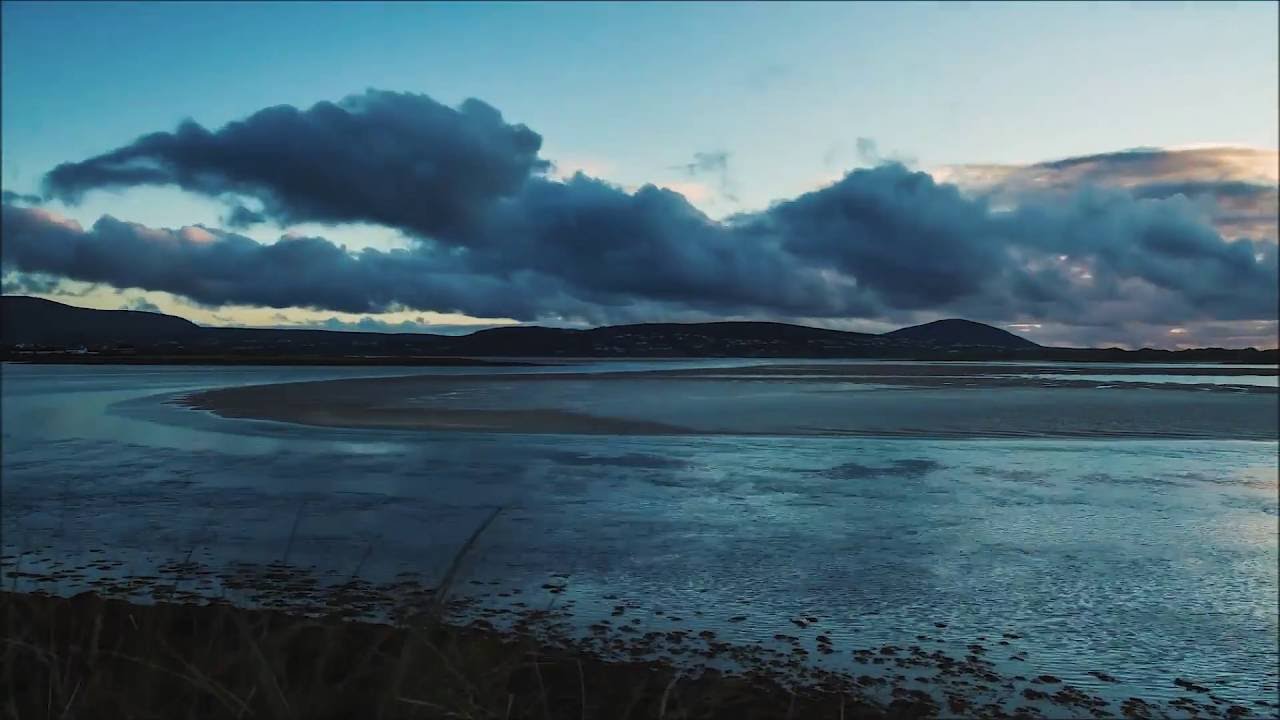
There's a specific ache in the word "homecoming." It contains both arrival and return—the sense of completing a circle. For Nakkach, Marin County isn't merely a geographic location; it's the ground where her musical consciousness took shape. "I feel like I was born here. It's my home," she says in her announcement of the new album. "This album is about coming home. My joyful self."
That language—"my joyful self"—hints at something deeper than nostalgia. It suggests that the act of returning to a place of origin becomes a way of reconnecting with an essential part of oneself, unburdened by the complexities that can accumulate over years of travel, growth, and artistic experimentation. The album, recorded again in Marin County after time elsewhere, becomes a vessel for that reunion. In choosing to create here, Nakkach is making a statement about the relationship between place, learning, and artistic expression: that creativity isn't just an interior phenomenon, but one shaped by landscape, by memory, by the ground beneath your feet, by the resonance of a place where deep learning first occurred.
This resonates with how musicians have always understood the relationship between setting and sound. A saxophonist who learned to play in New Orleans carries something of that city's humidity, its street-corner traditions, its specific acoustic spaces. A classical musician trained in Vienna internalized its concert halls, its atmospheric conditions, its musical genealogies. By returning to Marin County, Nakkach is repositioning herself within the sonic and spiritual landscape that shaped her formation. The album becomes a kind of conversation between who she was when she first arrived and who she is now—a dialogue across time and experience.
Every musician carries their teachers inside them—not as constraints, but as foundations. For Nakkach, that foundation is Ali Akbar Khan, the legendary master she encountered in Marin County. In her announcement, she describes him as "a constant inspiration and the backdrop of my musical mind." That phrase—"backdrop of my musical mind"—is striking. It suggests that his influence isn't something she references occasionally; it's the very scenery against which all her other creative choices are made.
The traditional raga system, which Khan taught and which Nakkach learned, is built on principles of tonal development, emotional exploration, and deep listening across extended time. A raga isn't a melody to be played identically each performance; it's a modal framework, a palette of notes and emotional territories that the musician explores in real time, in dialogue with listeners. The music unfolds gradually, sometimes over hours, revealing layers of complexity as the musician's focus deepens and the listeners' attention sharpens. Even as Nakkach moves into the ambient realm—a genre typically associated with Western electronic music and consciousness studies—those foundational principles remain encoded in her approach.
The teacher-student relationship in Indian classical music is considered sacred, a transmission not just of technique but of understanding, intention, and spiritual orientation. Khan's presence in Marin County, his willingness to share this ancient knowledge, created an opening for musicians like Nakkach to step into a lineage that stretches back centuries. That she continues to carry him as "the backdrop of my musical mind" suggests that her new ambient work, while different in form from classical raga, remains rooted in the consciousness and listening practices he transmitted. The teacher's voice becomes not a limitation but a lens, a way of understanding how sound can contain and transmit intention across generations.
Collaboration in music often emerges from complementary skills—the bassist who locks with the drummer, the vocalist who harmonizes with another voice. But the most generative partnerships arise between people who share not technique but vision, who've walked similar paths and arrived at similar truths about what matters in art. Nakkach describes her collaborator on this album as "someone that I know for so many years, a kindred spirit who breathed the same love for the ragas as I do."
That phrasing—"breathed the same love"—speaks to a collaboration that runs deeper than a feature or a guest appearance. It suggests not just musical compatibility but an alignment at the level of reverence, of shared understanding about the tradition being honored. Years of knowing each other, of existing in the same sonic lineage, of having steeped themselves in raga alongside each other, have created a foundation of trust and understanding. When two such musicians enter a studio together, there's less need for explanation. The vocabulary is already shared. The silences between notes are understood. The spaces where one musician's energy can meet and interweave with another's are intuitive.
In contemplative music traditions, this kind of deep collaboration is understood as a form of meditation itself. Two practitioners, aligned in their commitment to serving the music rather than showcasing themselves, create something neither could make alone. The collaboration becomes a third entity, a field that contains both voices while being limited by neither. This is what Nakkach seems to be describing—not a guest appearance, but a true meeting of kindred spirits bringing their shared understanding to bear on the creation of something new.
This is the central claim of the album, stated plainly in the YouTube description: music that will "expand consciousness, time, and space." And Nakkach articulates the intention directly: "This music wants to extend Consciousness extend Melodies extend harmonies and our capacity to listen music as a journey."
The phrasing is revealing. She's not claiming the album will make listeners happier, or more relaxed (though it may). Instead, she's pointing toward something more fundamental: an expansion of listening itself. In meditation and contemplative traditions, expanded awareness often comes not from adding more stimuli, but from deepening attention to what's already present. When a listener engages with a piece of ambient music not as background but as a full sensory and mental event—listening with the same focus a meditator brings to the breath—they're practicing a form of presence. The music becomes a teacher, just as Ali Akbar Khan was a teacher, inviting the listener to extend their capacity to be present to what's unfolding moment by moment.
The ambient genre, when approached with intention, operates in this register. It's not narrative; it doesn't move from climax to resolution like a classical symphony or a pop song. Instead, it invites the listener into a state of receptivity, where small shifts in tone or texture become significant, where the ear becomes tuned to subtleties that might be missed in busier musical contexts. Silence becomes as important as sound. The space around notes becomes as resonant as the notes themselves. This is how music can "extend harmonies"—not by piling more notes on top of each other, but by deepening the listener's awareness of the relationships between sounds, the space around them, the overtones that ring in the air long after a note is plucked or bowed.
In this sense, ambient music as Nakkach envisions it is a practice, a tool for training the mind and ear toward deeper presence. Each listening becomes an opportunity to notice things previously unheard, to expand the territory of awareness, to experience how time can feel different depending on the quality of attention we bring to it. This aligns perfectly with the contemplative traditions embedded in raga—the understanding that sound, when engaged with fully, becomes a gateway to expanded states of consciousness.
The announcement frames this as more than a typical album release. It's a Kickstarter campaign—a call to listeners to become financial and creative participants in the making of the work itself. "Join me in creating a new album," the description reads. "I'm sharing with you as a collaborator and co-creator." And she closes with an invitation: "Come on board."
This model reflects a significant shift in how artists and audiences relate to each other in the digital age. Rather than creating in isolation in a studio and then presenting a finished product to a passive consumer base, Nakkach is inverting the traditional model. She's inviting listeners into the process before the album is made. Those who support the project aren't just buying a finished album; they're participating in its genesis. In a very real sense, they're becoming part of the creative field itself—their belief in the project, their resources, their anticipation and attention, all become part of the energetic substrate from which the music will emerge.
This also honors a fundamental principle embedded in the raga tradition, where performance is understood as a dialogue between musician and listener. The raga isn't a fixed composition to be played identically each time; it's a form that develops in response to the energy in the room, the presence and receptivity of the listeners. A great raga performance is shaped by the audience's attention, their openness, their own capacity to listen deeply. By opening the creation process to listeners through Kickstarter, Nakkach extends that dialogical principle from performance into the very making of the music. The listeners' participation isn't an afterthought or a marketing strategy; it's built into the artistic vision itself.
The invitation here is clear: to enter into dialogue with Nakkach's vision, to support the creation of music designed to expand consciousness and listening capacity, and to participate in the unfolding of a project rooted in deep lineage while reaching toward new territory. Whether through direct support of the Kickstarter campaign or through later engagement with the finished album, there's an opportunity to encounter music created at the intersection of tradition and innovation, place-based remembrance and consciousness expansion.
For those drawn to ambient music, to raga tradition, to the intersection of these musical worlds, or simply to the question of how sound can transform our sense of time and presence—this is an invitation to listen, to support, and to become, in Nakkach's own framing, a co-creator in the journey. The music awaits in Marin County, in the landscape where a great teacher once opened doors to beauty, where a student learned to listen, and where now, years later, that student returns home to share what she's learned with anyone willing to step into the mystery of expanded sound and consciousness.