The Native American flute produces something that most modern meditation tools cannot: a tone that invites breath itself to become conscious. When you listen to a skilled player work with this instrument, you are not simply hearing music. You are entering a sonic environment shaped by the player's own breathing, the wood's resonance, and centuries of a musical tradition built explicitly for inner work and ceremony.
The Native American flute—also called a courting flute or love flute in some traditions—operates on a fundamentally different acoustic principle than most Western instruments. It is an end-blown flute with a slow air response, meaning that even small variations in the player's breath create tone color and dynamic movement. This is not an instrument that rewards precision or speed. It rewards presence.
The pitch range is typically limited to a scale that discourages chromatic runs and virtuosic display. Instead, players find themselves moving within a melodic space where each note has room to resonate, to breathe, to exist as its own event. A single held tone can contain minutes of subtle variation—the player's breath finding new resonances in the wood, the air column shifting color as the player's embouchure relaxes or deepens.
This is precisely the opposite of what the nervous system does when it is agitated. Agitation seeks rapid change, seeks control, seeks to jump from one thing to the next. The flute, by design, asks the listener—and the player—to slow down. To follow a single breath. To notice the spaces between thoughts.
Sound healing rests on a simple but profound observation: the human body is approximately 70 percent water, and water resonates. When a sound wave travels through water, it moves every molecule. Bone, sinew, blood, and organ tissue all respond to frequencies in their environment. This is not mystical; it is physics.
The Native American flute's tonal range—typically between 40 Hz and 4000 Hz—sits in a frequency band that the human ear perceives as deeply soothing. The lower frequencies, those below 500 Hz, are associated with relaxation and parasympathetic nervous system activation. When you listen to a flute drone or a slowly moving melody in this range, your body's stress response naturally begins to quiet.
But there is something more specific about the flute's particular voice. Unlike sustained electronic tones, which can sound thin or abstract, the wooden flute carries overtones—harmonic content that makes the sound feel warm and three-dimensional. Your ear doesn't register it as "a tone" but as a living, breathing presence in the room with you.
In every spiritual and contemplative tradition, breath is the bridge between the conscious and unconscious mind. You cannot think your way into relaxation, but you can breathe your way into it. The Native American flute is, at its core, a meditation on breath.
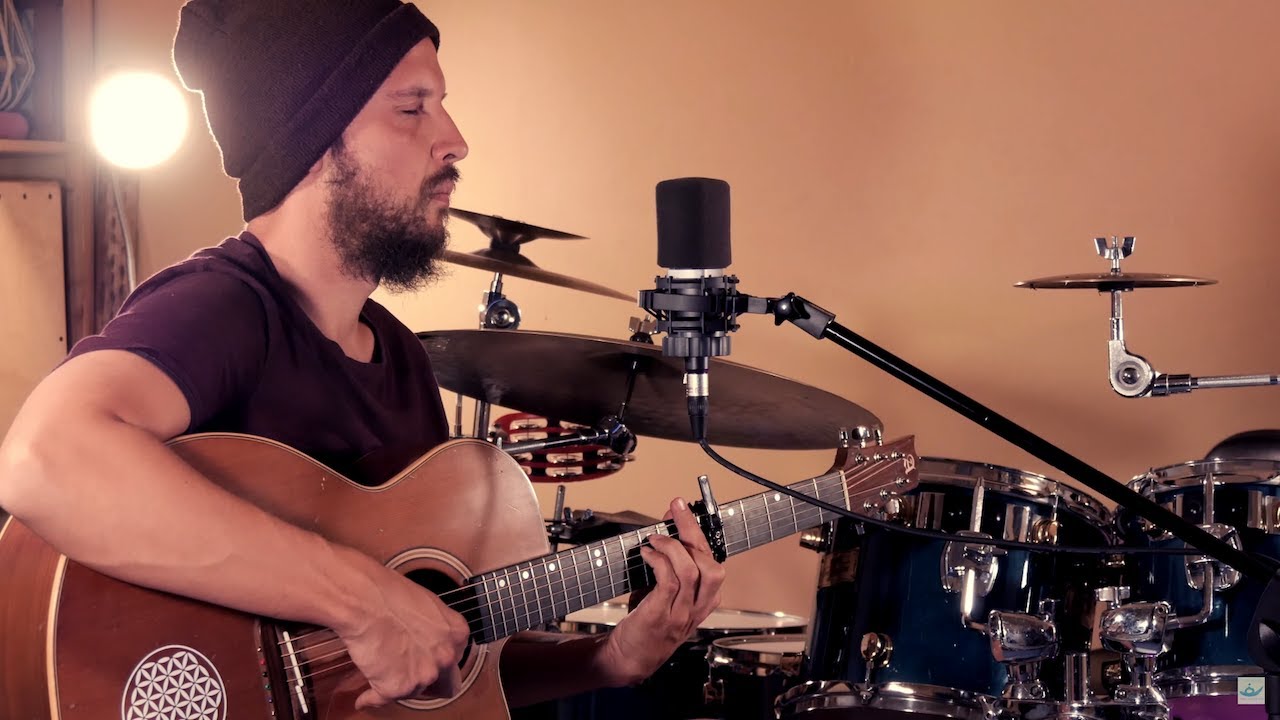
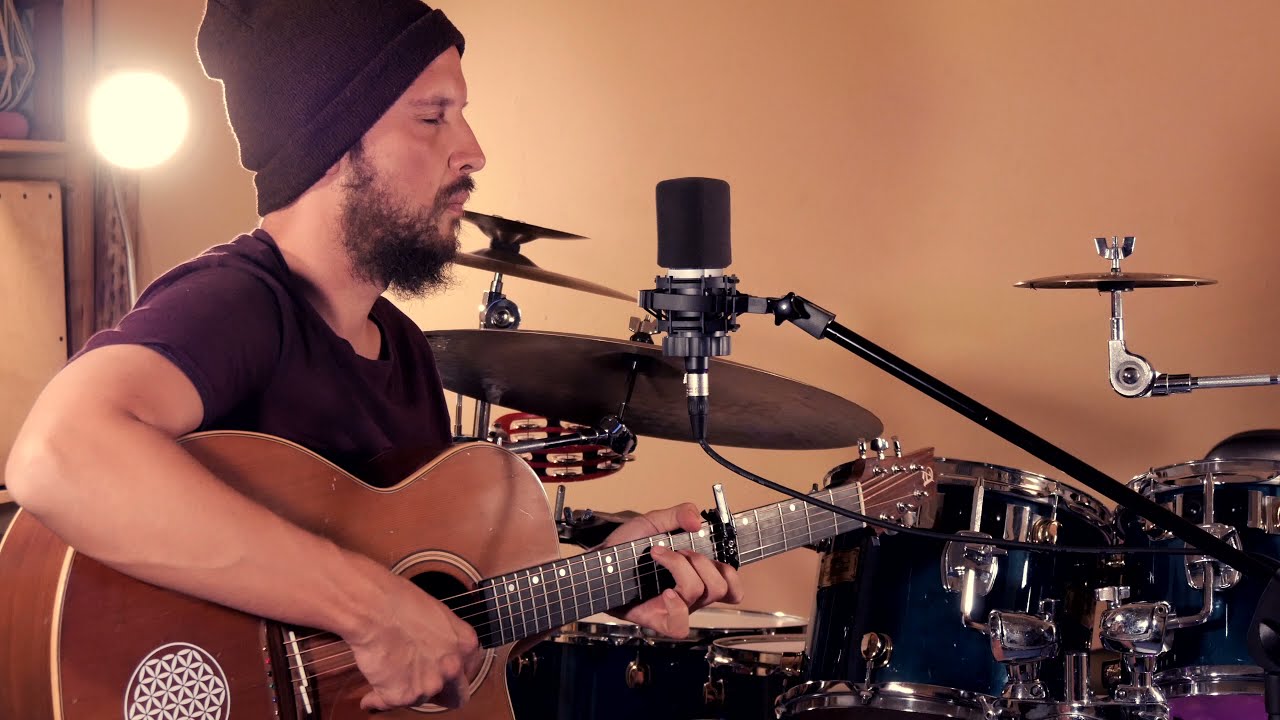
When Nirodha records a live flute session, the recordings are made with care to capture the intimate relationship between player, instrument, and listener. The microphone picks up not just the tones but the space around them—the subtle sound of breath moving through the flute, the silence between phrases, the acoustic character of the room where the playing happened. This is what transforms a recording from background music into a meditation companion.
The listener's own breath begins to synchronize with the music without conscious effort. Your respiratory rate slows. Your heart rate follows. Your mind, released from the task of processing rapid or complex sound patterns, settles into what researchers call a state of alert relaxation—awake but calm, focused but not effortful.
The album "The Magic of Native American Flute," available on Bandcamp, represents a deliberate artistic choice to create sonic spaces specifically for meditation, stress relief, and the moments before sleep. This is not incidental music—background accompaniment for something else you are doing. This is the primary event. The flute is the teacher.
The live session format—performed and recorded as a continuous experience—creates a different energetic quality than a studio construction built from many takes and overdubs. A live session carries the player's presence directly into the recording. There is an immediacy to it, a realness, that many listeners find grounding even in the midst of deep relaxation.
For meditation practitioners, this matters. The mind can sense authenticity. When you are in a vulnerable state—resting, opening, releasing tension—you can feel the difference between a sincere artistic offering and something created primarily for commercial purposes. The care Nirodha brings to recording these sessions becomes part of the medicine the listener receives.
Mindfulness—the cultivation of present-moment awareness—is often taught as a practice of watching the mind without judgment. For many people, this is very hard to do directly. The mind is too restless, too full of narrative momentum. A sonic gateway can help.
When you listen to the Native American flute in a meditative context, you have something to return to when the mind wanders. You have a point of focus that is inherently soothing rather than demanding. Unlike a mantra or a visualization, which require active mental participation, the flute simply invites listening. And in listening—in the act of returning your attention again and again to the sound in front of you—the mind gradually settles.
This is not a bypass of meditation practice. It is a skillful use of the nervous system's own design. The human ear evolved to detect threats and changes in the environment. When the environment is safe—when the sound is warm and predictable—the vigilance can stand down. The body can begin to heal.
There is a current wave of interest in sound healing and sonic meditation across yoga studios, therapy offices, and wellness retreats. Some of this interest is trend-driven. But much of it reflects a genuine rediscovery of what many cultures have always known: that the human nervous system is profoundly affected by sound, and that certain instruments and certain sounds can catalyze states of profound inner peace.
The Native American flute carries particular weight in this conversation because it emerges from a tradition that used music explicitly for ceremony, healing, and spiritual practice. While Western listeners should approach this tradition with respect and without appropriating its spiritual significance, the acoustic and nervous-system benefits of the instrument itself are available to anyone who listens with genuine openness.
An artist like Nirodha, working across meditative music and kirtan (devotional call-and-response singing), understands this landscape. The flute recordings sit alongside other vocal and sonic offerings—a comprehensive approach to sound-based inner work that recognizes many doorways into the same state of presence and peace.
A seven-minute session with the Native American flute is not a full meditation retreat, but it is not trivial either. In the first minute or two, most listeners notice their breathing has become slower and deeper. By the three-minute mark, the chatter of the day's concerns often begins to soften. In the space of five to seven minutes, a genuine shift in nervous system state is possible—not as an achievement, but as a gift offered by the sound itself.
This is why recordings like "Nirodha – Live Session 1" function as tools. They are portable meditation companions. They make it possible to access a state of relaxation and mindfulness in a stressed environment—before sleep, between work tasks, in a moment of overwhelm. The flute becomes a reliable signal to the nervous system: it is safe now. You can rest.
The view count on this recording—over 3,600 people drawn to listen—suggests that the need for this kind of sonic medicine is real and widespread. In a world of alarm sounds, notification chimes, and constant digital stimulation, the voice of the Native American flute carries a specific kind of healing frequency. It is the sound of slowness, of presence, of breath.
If you are new to meditation or sound healing, a seven-minute flute session is an ideal place to begin. You need bring nothing but your ears and a moment of openness. Sit or lie down, let the sound wash over you, and notice what happens in your body and mind.
For those with a regular meditation practice, sonic accompaniment can deepen and stabilize your sessions. The flute can serve as an anchor for attention, a gentle reminder to return to the present moment, a sonic container for the inner work you are already doing.
If you are drawn to this work, explore Nirodha's broader offerings—the full album on Bandcamp, the kirtan and other meditative music available through social channels on Instagram and Facebook. Sound is a path, and different instruments and voices will resonate (quite literally) with different people. The Native American flute may be your doorway, or it may simply be one tool among many. Either way, the permission to slow down, to listen, to let a simple sound guide you into presence—that permission is always available.