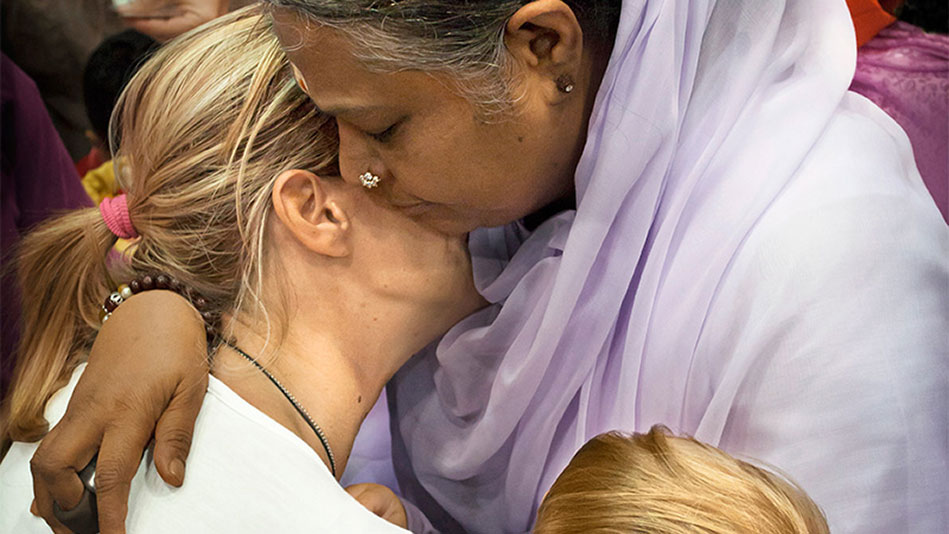
In the profound words of Amma, "Hold on to God. Let go of everything else," we are invited into a transformative journey of surrender and devotion. This quote encapsulates the essence of bhakti, a path that emphasizes love and devotion toward the Divine. In a world rife with distractions and attachments, the stakes of this teaching are high; it challenges us to prioritize our spiritual connection above all else, urging us to release the burdens that weigh us down.
To hold on to God is to cultivate a relationship with the Divine that transcends the ephemeral nature of worldly concerns. It is a call to anchor ourselves in faith, allowing the divine presence to guide our thoughts and actions. As we navigate the complexities of life, this teaching serves as a beacon, illuminating the path toward inner peace and fulfillment. The act of letting go, then, becomes not merely a relinquishing of material possessions or emotional ties, but a profound act of trust in the greater cosmic order.
The image / the metaphor
At its core, Amma's quote presents a striking image of duality: the act of holding on versus the act of letting go. The verb "hold" suggests a firm grasp, an intentional effort to maintain a connection, while "let go" evokes a sense of release and freedom. This juxtaposition creates a felt sense of tension between attachment and detachment, inviting us to explore the nature of our relationships with both the Divine and the material world.
Diving deeper into the metaphor, we can envision holding on to God as a lifeline in turbulent waters. In moments of despair or uncertainty, this divine connection becomes our anchor, providing stability and solace. Conversely, letting go of everything else symbolizes the shedding of unnecessary burdens—fears, desires, and attachments—that hinder our spiritual growth. This dynamic interplay between holding and releasing invites us to examine what truly nourishes our souls and what detracts from our spiritual journey.
In the speaker's tradition
Amma's teachings are deeply rooted in the tradition of bhakti, which emphasizes the importance of devotion and love for God. Central to this path is the concept of surrender, or "bhakti," which encourages practitioners to relinquish their ego and desires in favor of a profound connection with the Divine. This surrender is akin to the notion of "kenosis," a self-emptying that allows for the fullness of divine grace to enter our lives. In this context, holding on to God becomes a means of aligning ourselves with our true purpose, while letting go of everything else facilitates the dissolution of the ego.
In the Bhagavad Gita, a seminal text in the bhakti tradition, Lord Krishna advises Arjuna to surrender all actions to Him and to take refuge in the Divine. This teaching resonates with Amma's message, as it underscores the importance of trusting in a higher power while navigating the complexities of life. By embracing this surrender, we open ourselves to the transformative love of God, allowing it to guide our actions and decisions.
Living the teaching
Consider a modern scenario where this teaching can be applied: a person grappling with the pressures of work and personal life. In the midst of deadlines and expectations, they may feel overwhelmed, caught in a cycle of anxiety and stress. By consciously choosing to hold on to God—through prayer, meditation, or simply a moment of reflection—they can find solace and clarity. This act of devotion allows them to let go of the burdens that weigh heavily on their minds, fostering a sense of peace amidst chaos.
Another application of this teaching can be found in interpersonal relationships. Imagine a friendship that has become strained due to misunderstandings and unmet expectations. By holding on to God, one can cultivate compassion and understanding, allowing divine love to guide their interactions. In this space of surrender, the need for control or validation diminishes, enabling both parties to let go of grievances and reconnect on a deeper level. This practice of holding on to the Divine while releasing attachment to outcomes can lead to healing and reconciliation.
A reflection
As we contemplate Amma's profound teaching, we are invited to reflect on our own lives: What are the things we are holding onto that no longer serve our spiritual growth? In what ways can we deepen our connection with the Divine while releasing the burdens of attachment? This inquiry encourages us to engage with our inner landscape, fostering a deeper understanding of what it means to truly hold on to God and let go of everything else.