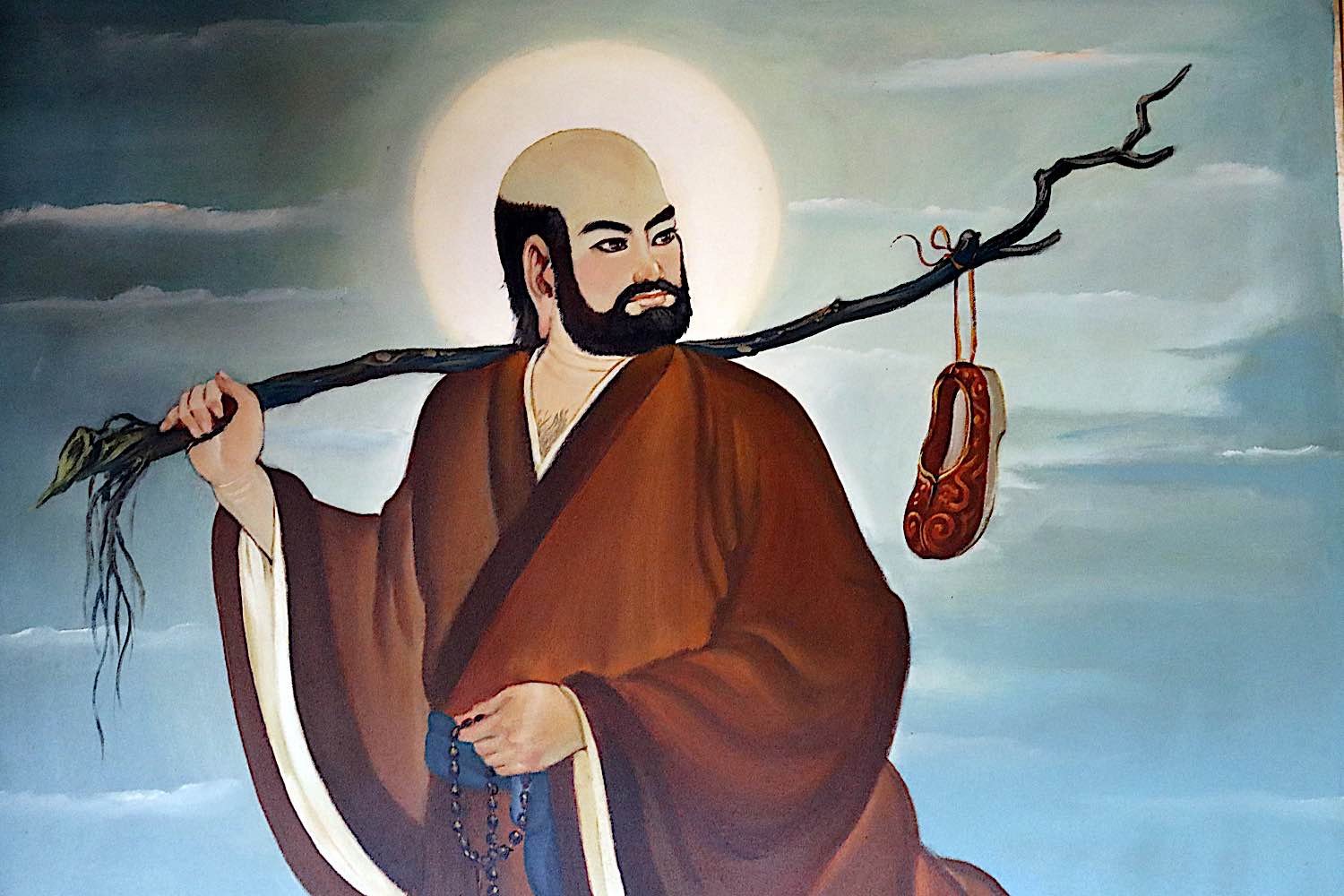
The Freedom of Emptiness: Embracing What Is
In the profound words of Bodhidharma, "In emptiness, there is nothing to push away." This statement invites us into a realm of acceptance, where the burdens of resistance and aversion dissolve into the vastness of being. It speaks to the heart of Zen practice, urging us to recognize that the very essence of our struggles often lies in our attempts to reject or escape our current reality. Understanding this quote is crucial, as it offers a pathway to equanimity and peace, allowing us to navigate the complexities of life with grace.
Delving deeper, we find that this notion of emptiness is not a void to be feared but a fertile ground for transformation. It challenges our instinctual responses to cling to desires or push away discomfort, revealing that true liberation arises when we cease to engage in this dualistic dance. Bodhidharma's insight encourages us to embrace the present moment fully, cultivating a sense of spaciousness that allows for acceptance and understanding. In this light, emptiness becomes a profound teacher, guiding us toward a more authentic existence.
The image / the metaphor
At first glance, the imagery of "emptiness" may evoke feelings of desolation or lack. However, Bodhidharma's use of the term suggests a dynamic state rather than a static absence. The verbs "push away" imply an active struggle against what is, highlighting our tendency to resist experiences that we deem unpleasant or undesirable. In this context, emptiness is not merely an absence of content but rather a state of openness, where we can encounter life without the weight of preconceived notions or judgments.
Going deeper into this metaphor, we can see that emptiness serves as a canvas upon which our experiences are painted. It invites us to let go of the need to control or manipulate our circumstances, allowing life to unfold as it is. This perspective fosters a sense of equanimity, where we can engage with our emotions and thoughts without being overwhelmed by them. In this way, emptiness becomes a source of strength, enabling us to face challenges with clarity and resilience.
In the speaker's tradition
Bodhidharma, the legendary figure credited with bringing Zen Buddhism to China, emphasizes the importance of direct experience and the realization of one's true nature. Within this tradition, the concept of "sunyata," or emptiness, plays a pivotal role. It aligns with the understanding that all phenomena are interdependent and transient, encouraging practitioners to see beyond the illusion of separation. This realization fosters a sense of compassion and interconnectedness, as we recognize that our struggles are shared by all beings.
In the context of Bodhidharma's teachings, we can draw parallels to the notion of "kenosis," or self-emptying, found in various spiritual traditions. This idea resonates with the Zen practice of letting go of attachments and preconceived notions, allowing us to encounter the world with fresh eyes. The Heart Sutra, a foundational text in Mahayana Buddhism, encapsulates this wisdom, stating, "Form is emptiness, emptiness is form." This profound insight invites us to explore the relationship between our experiences and the underlying emptiness that gives rise to them.
Living the teaching
Consider a modern scenario where this teaching might resonate: a challenging work environment filled with stress and competition. In such a setting, we often find ourselves pushing away feelings of frustration or inadequacy, striving to meet external expectations. By embracing the teaching of emptiness, we can shift our perspective, recognizing that these feelings do not define us. Instead of resisting them, we can acknowledge their presence, allowing them to pass through us without clinging or aversion. This shift fosters a sense of peace, enabling us to engage with our work more authentically.
Another application of this teaching can be found in our personal relationships. Imagine a moment of conflict with a loved one, where emotions run high, and misunderstandings abound. The instinct may be to push away the discomfort or to defend our position. However, by embodying the principle of emptiness, we can approach the situation with openness and vulnerability. This allows us to listen deeply and respond with compassion, creating space for healing and connection. In this way, the practice of embracing emptiness transforms our interactions, fostering deeper understanding and intimacy.
A reflection
As we contemplate Bodhidharma's profound insight, we are invited to explore our relationship with emptiness in our own lives. What would it mean to embrace the fullness of our experiences without the need to push anything away? In moments of discomfort or challenge, how might we cultivate a sense of spaciousness that allows us to be present with what is? This contemplative inquiry encourages us to engage with our lives more fully, inviting us to discover the freedom that lies within the acceptance of emptiness.
