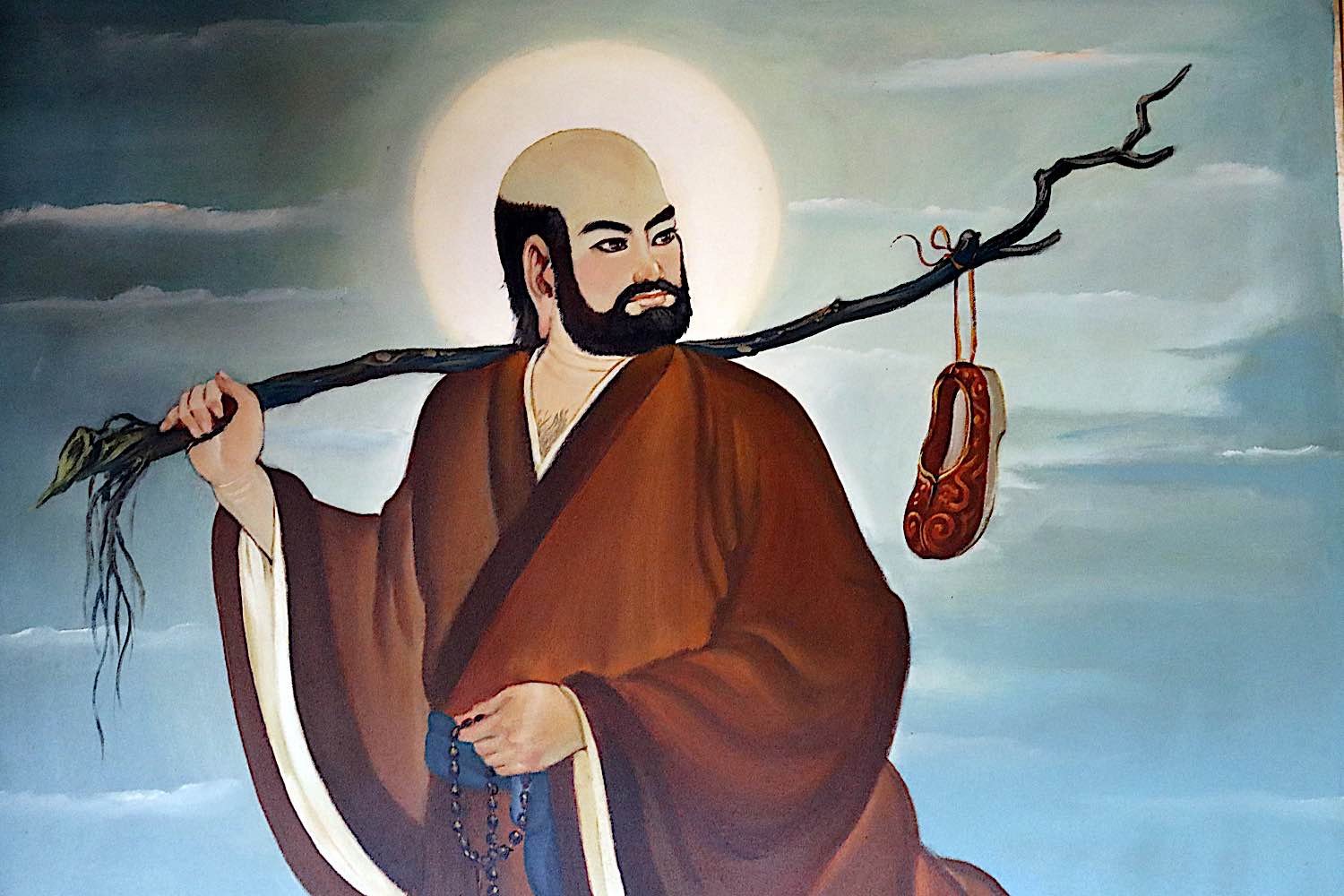
Defending the Unfathomable: A Zen Inquiry
Bodhidharma's poignant question, "What then is yours to defend?" invites us into a profound exploration of identity, attachment, and the nature of existence itself. At its core, this inquiry challenges us to reflect on what we hold dear and the lengths we go to protect our perceived selves. In a world rife with conflict and division, understanding the essence of what we defend can illuminate the path toward inner peace and clarity.
This question resonates deeply within the Zen tradition, where the concepts of non-clinging and emptiness serve as foundational pillars. Bodhidharma, the legendary figure credited with bringing Zen to China, urges us to examine the very fabric of our defenses. Are we clinging to transient identities, or are we willing to embrace the fluidity of existence? This inquiry is not merely philosophical; it is a call to engage with the essence of our being and to discern the true nature of our attachments.
The image / the metaphor
Delving deeper into the metaphor, we find that the act of defense often stems from fear—fear of loss, fear of vulnerability, and fear of the unknown. Bodhidharma's question prompts us to examine the nature of these fears and the constructs they create. Are we defending a self that is inherently solid, or are we clinging to illusions that ultimately lead to suffering? This exploration of defense becomes a mirror reflecting our attachments, revealing the transient nature of all that we hold dear.
In the speaker's tradition
Bodhidharma's teachings are steeped in the Zen tradition, which emphasizes the concepts of dharma and sunyata, or emptiness. In this context, the inquiry into what we defend becomes a meditation on the nature of reality itself. The Zen practitioner is encouraged to let go of attachments and to recognize that the self is not a fixed entity but rather a fluid interplay of experiences and perceptions. This aligns with the notion of kenosis, or self-emptying, where one relinquishes the need to cling to a defined identity.
In the *Outline of Practice*, Bodhidharma emphasizes the importance of direct experience over intellectual understanding. This echoes the teachings found in other Zen texts, such as the *Heart Sutra*, which articulates the idea that form is emptiness and emptiness is form. By engaging with Bodhidharma's question, we are invited to explore the depths of our own experience, to confront the illusions we create, and to discover the freedom that lies in non-attachment.
Living the teaching
Consider a modern scenario where this teaching might resonate: a workplace conflict where individuals fiercely defend their ideas and positions. In such moments, the question "What then is yours to defend?" can serve as a transformative inquiry. It invites participants to step back and reflect on whether their defenses stem from a genuine commitment to truth or from a desire to protect their ego. By embracing this question, one might find the courage to let go of rigid stances and engage in a more collaborative dialogue.
In the realm of personal relationships, this teaching can be equally illuminating. Imagine a disagreement with a loved one, where both parties are entrenched in their viewpoints. Bodhidharma's inquiry encourages us to examine what we are defending: is it our pride, our need to be right, or perhaps a deeper fear of disconnection? By recognizing the transient nature of these defenses, we can cultivate a space for vulnerability and understanding, allowing love and compassion to flourish in the midst of conflict.
A reflection
As we contemplate Bodhidharma's question, we are invited to engage in a deeper inquiry about our own lives. What attachments are we clinging to, and what fears are driving our defenses? In this moment of reflection, consider: "What is it that I truly seek to protect, and is it worth the energy I expend in its defense?" This contemplative question can serve as a guiding light, illuminating the path toward a more authentic and liberated existence.
