Letting Go: The Essence of Surrender in Zen
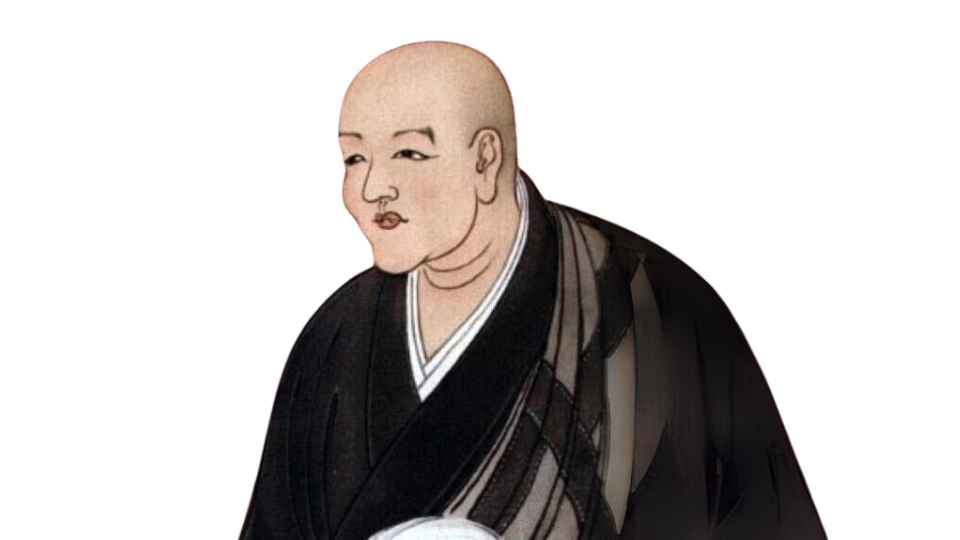
“Drop off body and mind.” This succinct yet profound statement by Dōgen invites us to consider the nature of our existence and the burdens we carry. It speaks to the heart of Zen practice, urging us to relinquish our attachment to the physical and mental constructs that define our experience. In a world often dominated by the incessant chatter of thoughts and the demands of the body, this teaching beckons us toward a deeper understanding of liberation and presence. The stakes are high; in surrendering these attachments, we may discover a more authentic way of being, one that transcends the limitations of our conditioned selves.
As we delve deeper into Dōgen's words, we recognize that this call to “drop off” is not merely a directive to abandon our physical form or mental faculties. Instead, it is an invitation to engage in a profound act of surrender, a letting go of the ego and the incessant need for control. This teaching resonates with the essence of Zen, where the path to enlightenment often requires us to confront the very structures that bind us. By releasing our grip on body and mind, we open ourselves to the vastness of existence, allowing for a more profound connection to the present moment and the interconnectedness of all things.
The image / the metaphor
At first glance, the imagery of “dropping off” evokes a sense of lightness, as if one is shedding heavy garments that no longer serve a purpose. The verbs chosen by Dōgen—“drop” and “off”—suggest an effortless release, a gentle act rather than a forceful abandonment. This felt sense of letting go can be likened to the experience of a bird taking flight, unencumbered by the weight of its surroundings. In this metaphor, the body and mind represent the accumulated experiences, beliefs, and identities that we cling to, often at the expense of our true nature.
Dōgen’s metaphor extends beyond the physical and mental realms, inviting us to consider the emotional and spiritual layers of our existence. To “drop off” is to relinquish not only our attachment to the body and mind but also the narratives we construct around them. It is an invitation to experience life as it is, without the filters of judgment or expectation. In this way, the act of dropping off becomes a transformative practice, allowing us to encounter the world with fresh eyes and an open heart, free from the constraints of our conditioned responses.
In the speaker's tradition
Dōgen, a pivotal figure in the Zen tradition, emphasizes the importance of direct experience and the realization of one's true nature. His teachings often revolve around concepts such as sunyata (emptiness) and prajna (wisdom), both of which resonate deeply with the idea of dropping off body and mind. In Zen, the notion of surrender is not about negating the self but rather about transcending the dualistic thinking that separates us from the essence of reality. This aligns with the practice of kenosis, or self-emptying, found in various spiritual traditions, where the goal is to create space for the divine or the true self to emerge.
In Dōgen's seminal work, the “Genjokoan,” he articulates the relationship between practice and enlightenment, suggesting that the act of dropping off is integral to realizing our inherent nature. He writes about the interconnectedness of all beings and the importance of experiencing life fully in the present moment. This perspective echoes the teachings found in other Zen texts, where the emphasis is placed on direct experience over intellectual understanding. By engaging with Dōgen's insights, we are reminded that the journey toward awakening is a continuous process of letting go and embracing the fullness of existence.
Living the teaching
Consider a modern scenario where the teaching of dropping off body and mind can be applied: a busy professional overwhelmed by the demands of work and life. In the midst of deadlines and responsibilities, the individual may find themselves caught in a cycle of stress and anxiety, their mind racing with thoughts of what needs to be done. By practicing the act of dropping off, they can take a moment to pause, breathe, and release the weight of their mental burdens. This simple yet profound practice allows them to reconnect with the present moment, fostering clarity and a sense of peace amidst the chaos.
Another application of this teaching can be found in interpersonal relationships, particularly during moments of conflict. When tensions rise, it is easy to become entrenched in our perspectives, clinging to our opinions and emotions. By embodying the principle of dropping off, individuals can approach the situation with a willingness to let go of their defensive postures and preconceived notions. This act of surrender opens the door to deeper understanding and connection, allowing for a more compassionate dialogue. In both scenarios, the practice of dropping off body and mind serves as a transformative tool, guiding us toward a more authentic and harmonious way of being.
A reflection
As we contemplate Dōgen's profound invitation to “drop off body and mind,” we are left with a contemplative question: What attachments am I holding onto that prevent me from experiencing the fullness of the present moment? In reflecting on this question, we may uncover the layers of identity, expectation, and fear that shape our perceptions and interactions. By engaging with this inquiry, we can begin to explore the transformative potential of surrender, allowing us to step into a more liberated and authentic existence.


