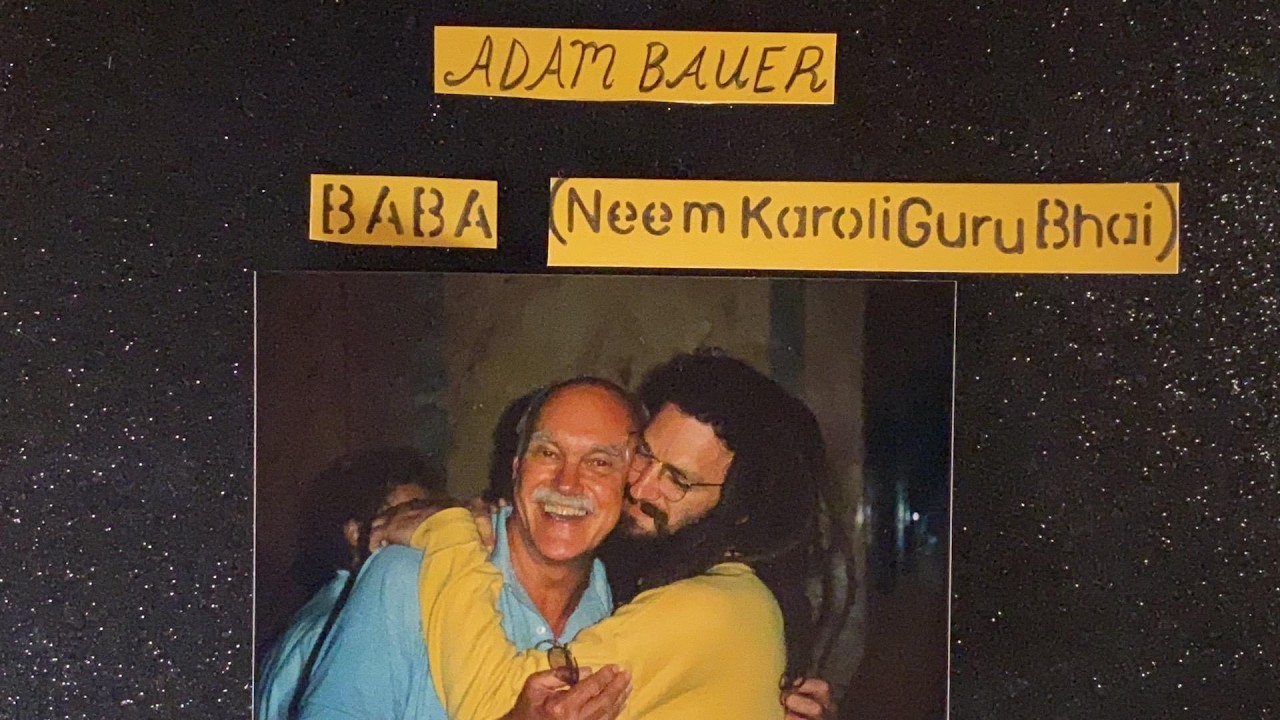
Trusting the Unseen: The Wisdom of Neem Karoli Baba
“Don’t ask Maharaj-ji for anything. He already knows.” This profound statement by Neem Karoli Baba invites us to reconsider the nature of our relationship with the divine. It suggests that true faith transcends the act of petitioning; instead, it calls for a deep trust in the inherent wisdom and compassion of the universe. In a world often driven by desire and urgency, this teaching offers a pathway to serenity, urging us to cultivate a sense of surrender and acceptance.
At its core, this quote challenges the conventional understanding of prayer and supplication. It encourages us to move beyond the transactional nature of asking for favors and instead embrace a more profound connection with the divine. This shift in perspective is not merely about relinquishing our requests; it is about recognizing the omniscient presence that already knows our needs and desires. In this light, we are invited to explore the depths of trust, grace, and the transformative power of bhakti, or devotion.
The image / the metaphor
The imagery in Neem Karoli Baba's words evokes a sense of intimacy and familiarity with the divine. The phrase "Don’t ask" implies a relationship built on trust rather than neediness, suggesting that our connection to Maharaj-ji is not one of a distant deity but of a loving presence who is acutely aware of our innermost thoughts and feelings. The verb "knows" carries a weight of assurance, indicating that the divine is not only aware but also deeply compassionate and responsive to our human experience.
Diving deeper into the metaphor, we can see that this teaching reflects a profound understanding of the nature of existence itself. It suggests that the universe operates on a level of wisdom that often eludes our limited perception. By refraining from asking, we are invited to cultivate a state of being where we trust in the unfolding of life, recognizing that our desires and needs are already understood and embraced by a greater force. This trust can liberate us from the anxiety of wanting, allowing us to experience life more fully in the present moment.
In the speaker's tradition
Neem Karoli Baba's teachings are deeply rooted in the tradition of bhakti, which emphasizes love and devotion as the primary means of connecting with the divine. In bhakti, the relationship between the devotee and the divine is characterized by trust, surrender, and an understanding of the interconnectedness of all beings. Concepts such as dharma, or righteous duty, and kenosis, the self-emptying of one’s will, resonate with the essence of this quote, as they encourage a relinquishing of ego-driven desires in favor of a more profound alignment with the divine will.
This notion of trust is echoed in various spiritual texts, including the Bhagavad Gita, where Krishna advises Arjuna to surrender his will to the divine. In Chapter 18, verse 66, Krishna states, “Abandon all varieties of religion and just surrender unto Me.” This call to surrender aligns with Neem Karoli Baba's message, emphasizing that true liberation comes not from our incessant asking but from a deep-seated trust in the divine's wisdom and timing.
Living the teaching
Consider a modern scenario where this teaching might resonate: a person facing a significant life decision, such as changing careers or entering a new relationship. In such moments, it is common to feel overwhelmed by the need to ask for guidance, to seek signs, or to plead for clarity. However, embracing Neem Karoli Baba's wisdom invites this individual to pause and trust that the answers lie within them, waiting to be uncovered through reflection and inner peace. This shift from seeking external validation to trusting one's intuition can lead to a more authentic and fulfilling path.
Another application of this teaching can be found in interpersonal relationships. Imagine a situation where a friend is struggling with personal issues, and you feel compelled to offer advice or solutions. Instead of immediately jumping into problem-solving mode, you might take a moment to simply be present, trusting that your friend knows what they need and that your role is to listen and support rather than to fix. This practice of trust fosters deeper connections and allows for a more organic unfolding of understanding and healing.
A reflection
As we contemplate Neem Karoli Baba's words, we are invited to explore the nature of our own trust in the universe. How often do we find ourselves caught in the cycle of asking, seeking, and yearning for answers? In what areas of our lives might we benefit from simply trusting that we are held and understood? Reflecting on these questions can deepen our connection to the divine and illuminate the path of grace that lies before us.