Embracing the Present: The Grace of Just Being
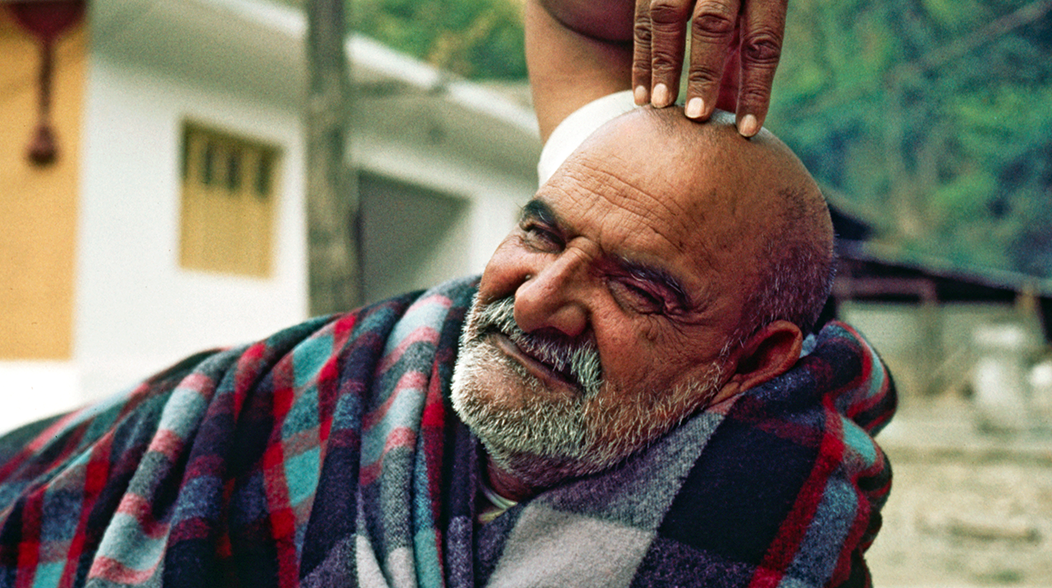
The quote "Just be. Maharaj-ji takes care of the rest" encapsulates a profound invitation to surrender and trust in the divine flow of life. In a world often characterized by relentless striving and anxiety, Neem Karoli Baba reminds us of the power of simply existing in the moment. This teaching resonates deeply, urging us to release our burdens and embrace a state of being that allows grace to unfold naturally. The stakes of this message are high; it challenges our conditioned tendencies to control and manipulate our circumstances, inviting us instead to cultivate a deep trust in the universe.
To deepen our understanding, we must consider the implications of "just be." This phrase suggests a radical acceptance of our current state, free from the pressures of achievement or expectation. It invites us to recognize that our worth is inherent, not contingent upon our actions or accomplishments. In this light, the quote serves as a gentle reminder that the divine, personified in Maharaj-ji, is always at work in our lives, orchestrating events in ways we may not immediately perceive. The essence of this teaching is not merely passive acceptance but an active engagement with the present moment, where trust and grace intertwine.
The image / the metaphor
At its core, the quote evokes a sense of simplicity and clarity. The verb "be" is a call to presence, urging us to shed the layers of complexity that often cloud our experience. It conjures an image of stillness, where the noise of the mind quiets, allowing us to connect with our true essence. The phrase "Maharaj-ji takes care of the rest" introduces a comforting metaphor of divine support, suggesting that we are not alone in our journey. This imagery invites us to visualize a nurturing presence that holds us, guiding us through the uncertainties of life.
In the speaker's tradition
Neem Karoli Baba's teachings are deeply rooted in the bhakti tradition, which emphasizes devotion and love for the divine. Central to this tradition is the concept of trust, or "shraddha," which invites practitioners to surrender their ego and desires to a higher power. This act of surrender aligns with the notion of "kenosis," the self-emptying of one's will to allow divine grace to flow through. In this context, "just be" becomes a powerful expression of bhakti, as it encourages us to cultivate a heart open to receiving love and guidance from the divine.
Moreover, this teaching resonates with the Buddhist concept of "sunyata," or emptiness, which invites us to recognize the impermanence of our thoughts and emotions. Just as the bhakti practitioner surrenders to the divine, the Buddhist practitioner learns to let go of attachments, finding freedom in the present moment. In both traditions, the underlying message is clear: by relinquishing our need for control, we open ourselves to the grace that is always available to us. This interconnectedness of trust and surrender is beautifully captured in Neem Karoli Baba's words.
Living the teaching
Consider a modern scenario where this teaching might resonate: a person facing a challenging career decision. The pressure to make the "right" choice can lead to anxiety and overthinking, creating a cycle of stress that clouds their judgment. By embracing the teaching of "just be," this individual can learn to pause, breathe, and trust that clarity will emerge in its own time. Instead of forcing a decision, they can cultivate patience, allowing the natural flow of life to guide them toward the right path.
In a different context, imagine a relationship strained by misunderstandings and unmet expectations. Here, the practice of "just being" can serve as a transformative tool. Instead of trying to control the dynamics or fix perceived problems, one partner might choose to simply be present, listening deeply and offering unconditional love. This shift in approach fosters an environment of trust and openness, allowing the relationship to heal and grow organically. In both scenarios, the essence of Neem Karoli Baba's teaching invites us to embrace the present moment, trusting that the divine will take care of the rest.
A reflection
As we contemplate the wisdom of "just be," we are invited to explore our own relationship with trust and surrender. What would it mean for you to let go of the need to control outcomes in your life? In what areas do you feel called to simply be, allowing grace to guide you? Reflecting on these questions can illuminate the ways in which we might embrace a more profound sense of peace and connection with the divine.