The Unforgiven: A Path to Liberation
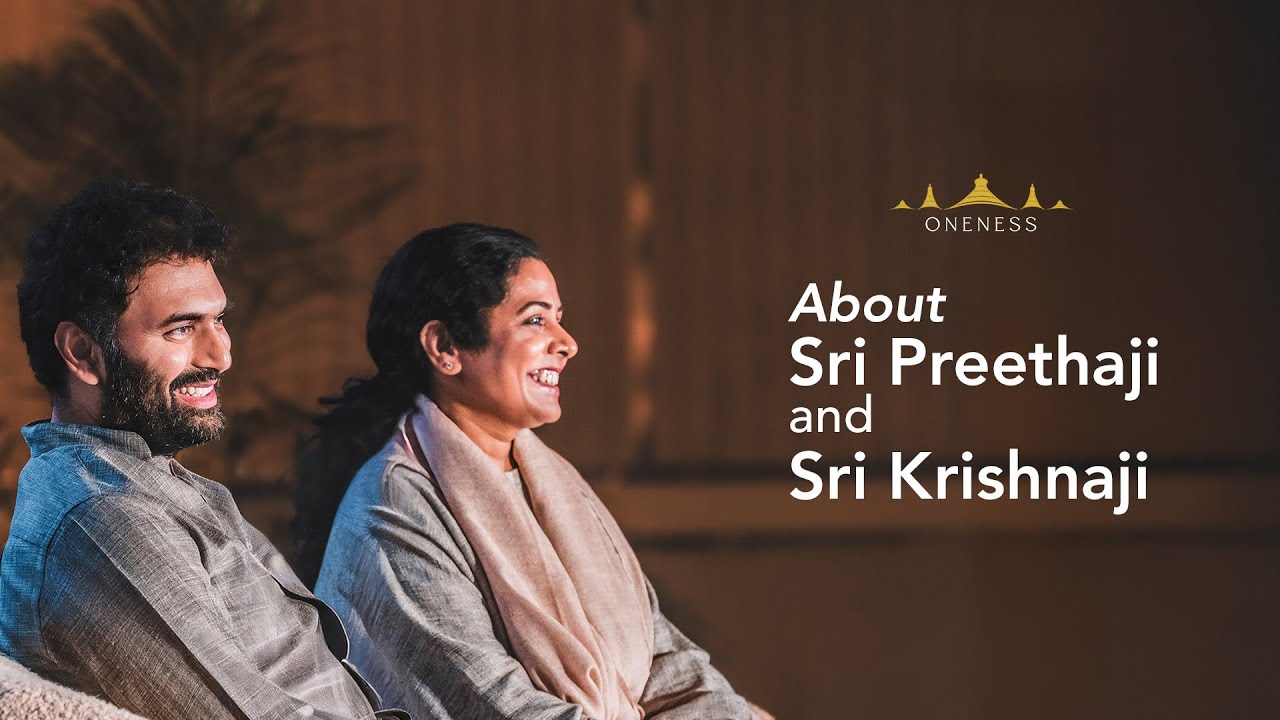
Preethaji's poignant assertion, "What you cannot forgive becomes what runs your life," invites us to reflect on the profound impact of unresolved grievances on our existence. This quote serves as a reminder that the burdens we carry—those unhealed wounds and lingering resentments—can dictate our thoughts, emotions, and actions. The stakes are high: to remain tethered to these unresolved feelings is to allow them to shape our reality, often in ways that lead to suffering and disconnection from our true selves.
Forgiveness, then, emerges not merely as a moral imperative but as a vital act of self-liberation. When we cling to past hurts, we inadvertently grant them power over our present and future. The act of forgiveness is transformative; it allows us to reclaim agency in our lives, fostering a sense of peace and wholeness. By understanding the dynamics of forgiveness, we can begin to dismantle the emotional chains that bind us, paving the way for a more authentic and fulfilling existence.
The image / the metaphor
The imagery embedded in Preethaji's quote evokes a powerful sense of entrapment. The phrase "what you cannot forgive" suggests a weight, a burden that one carries, while "what runs your life" implies an unseen force that dictates one's path. The verbs chosen—"forgive" and "runs"—convey a dynamic interplay between agency and passivity. In this context, forgiveness is not merely a passive act of letting go; it is an active choice that can liberate us from the shadows of our past.
In the speaker's tradition
Preethaji's insights are deeply rooted in the oneness movement, which emphasizes the interconnectedness of all beings and the importance of inner harmony. Within this framework, forgiveness is not simply a personal act but a collective necessity for healing and unity. Concepts such as dharma, or righteous living, and kenosis, the self-emptying of one’s ego, resonate with the idea that true freedom arises from relinquishing the burdens of resentment and anger. By forgiving, we align ourselves with the greater flow of life, contributing to the collective well-being of humanity.
In the context of spiritual texts, we can draw parallels with the teachings found in the Bhagavad Gita, where the notion of detachment from the fruits of one’s actions is emphasized. The Gita teaches that by surrendering our attachments and grievances, we can act with greater clarity and purpose. Similarly, Preethaji’s call to forgive aligns with the Gita’s wisdom, urging us to transcend our personal narratives and embrace a more expansive view of existence, one that fosters compassion and understanding.
Living the teaching
Consider a modern scenario where this teaching resonates: a workplace conflict where a colleague has undermined your efforts. The initial reaction may be one of anger and resentment, leading to a cycle of negativity that affects not only your productivity but also your emotional well-being. By recognizing that holding onto this grievance will only serve to control your responses and interactions, you can choose to engage in the practice of forgiveness. This does not mean condoning the behavior but rather freeing yourself from the emotional weight it carries, allowing you to approach the situation with clarity and compassion.
In a different context, imagine a relationship strained by past betrayals. The inability to forgive can create a chasm that feels insurmountable, leading to a cycle of blame and hurt. By consciously choosing to forgive, you open the door to healing and reconnection. This act of forgiveness can transform the relationship dynamic, fostering a space where both parties can express vulnerability and understanding. In daily practice, this might involve reflective journaling or guided meditations focused on releasing past hurts, allowing you to cultivate a mindset of compassion and openness.
A reflection
As we contemplate Preethaji's profound words, we are invited to ask ourselves: What unresolved grievances am I holding onto that may be running my life? This question encourages a deep introspection, prompting us to examine the emotional burdens we carry and their impact on our daily experiences. In this inquiry lies the potential for transformation, as we recognize that the path to liberation begins with the willingness to forgive, both ourselves and others.