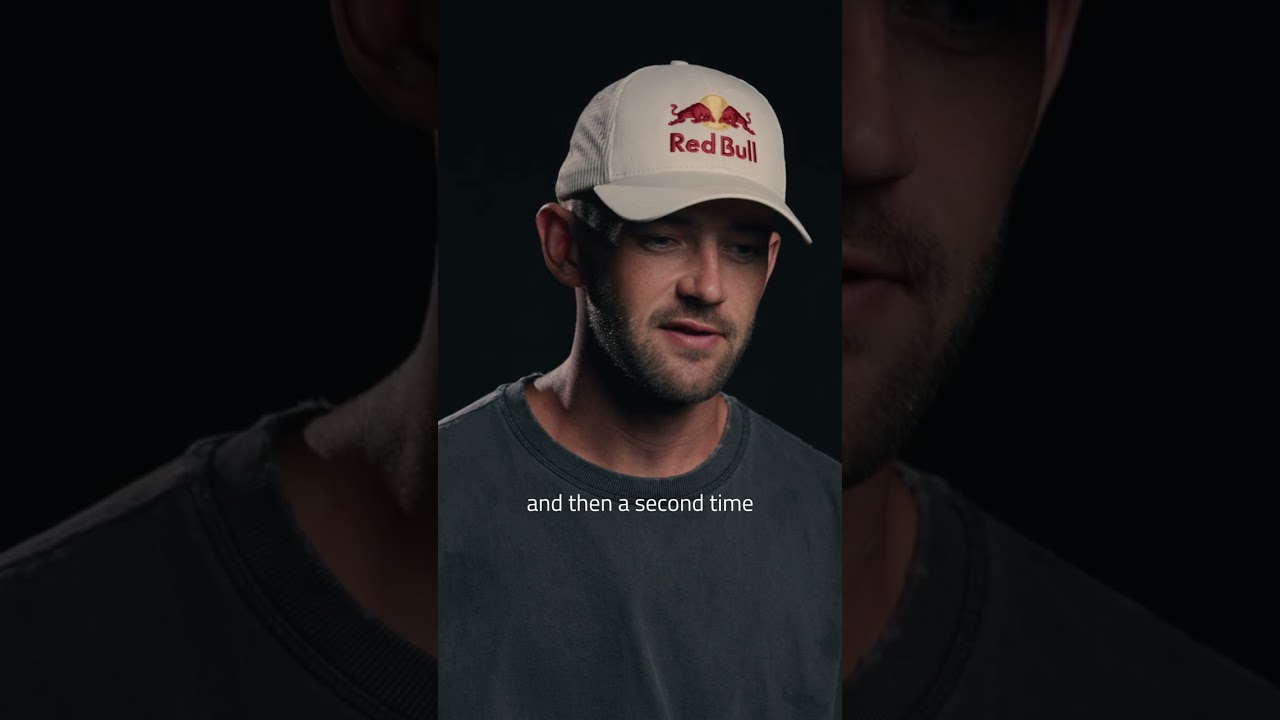
The world of triathlon is abuzz with excitement as the IRONMAN World Championship in Nice approaches. In the latest episode of "IRONMAN Insider," host Matt Lieto takes us behind the scenes, directly from the pro press conference, where elite athletes share their insights and strategies for race day. This episode captures the anticipatory energy of the athletes who have dedicated countless hours to their training, preparing not just physically but mentally for one of the toughest endurance events on the planet. Let’s explore the perspectives of these pro triathletes, delving into their training philosophies, predicted race dynamics, and the mental resilience required to succeed at such a high level.
The press conference at the IRONMAN World Championship serves as a platform for athletes to articulate their thoughts and strategies leading up to the race. Athletes like Rudy Von Berg and Patrick Lange discussed their preparations, emphasizing the importance of mental fortitude. Von Berg noted that managing nerves is crucial, as they can heavily impact performance. He shared that visualization techniques help him stay focused and calm, allowing him to channel his energy positively during the race.
Patrick Lange, the two-time world champion, reflected on his race strategies and how they evolve with each competition. He mentioned paying close attention to the course specifics in Nice, particularly the challenging bike segments and the temperature, which can affect hydration strategies. By adapting his approach based on past performances and current conditions, Lange aims to optimize his chances for success.
Furthermore, the camaraderie among the athletes was palpable. Many of them have trained together in various locations around the world, sharing tips and techniques. This mutual respect and friendship often translate into a more supportive race environment, pushing each other to perform at their best while enjoying the journey.
The days leading up to the race are critical for athletes as they fine-tune their preparations. In the episode, Jason West and Jonas Schomburg shared their routines, emphasizing the importance of tapering. West mentioned reducing his training volume while maintaining intensity, allowing his body to recover fully while keeping his race pace sharp. He suggested that athletes should focus on rest and nutrition during this period to optimize their performance on race day.
Schomburg highlighted the significance of nutrition in the days leading up to the race. He recommended a carbohydrate-loading strategy, consuming around 8-10 grams of carbohydrates per kilogram of body weight in the days before the race. This helps to maximize glycogen stores, which are crucial for endurance events. He also advised athletes to experiment with different gels and drinks during training to find what works best for their stomach under race conditions.
Race day is not just about physical readiness; mental preparation is equally important. Many athletes practice mindfulness techniques or positive affirmations to combat anxiety. This mental training can be a game-changer, as it allows athletes to stay focused on their goals, regardless of the external pressures they face during the race.
As discussed in the episode, the unique course in Nice presents both challenges and opportunities for athletes. The bike course features significant elevation changes, which means that pacing and gear selection will be crucial. Joe Skipper mentioned that he plans to use a power meter to monitor his output, ensuring he does not go too hard early on. This strategy will help conserve energy for the run, where many races are often won or lost.
Moreover, the weather conditions in Nice can vary, influencing athletes' race strategies. The temperature, humidity, and wind can all play significant roles in performance. Athletes like Jonas Schomburg noted the importance of adapting hydration strategies to the day's conditions. He aims to drink around 500-750 ml of electrolyte drink per hour while consuming solid food every 45 minutes to maintain energy levels.
Understanding the race dynamics, including the strengths and weaknesses of competitors, can also play a crucial role. Athletes are often aware of their rivals' capabilities and may adjust their tactics accordingly. For example, if a strong cyclist is in the mix, it might prompt an athlete to push harder on the bike to maintain contact, while conserving energy for the run if they are known for their running prowess.
Mental resilience is a recurring theme in endurance sports, and this episode highlights its significance through the stories of athletes like Patrick Lange and Rudy Von Berg. Lange emphasized the value of experience in managing race-day pressure, stating that each race teaches valuable lessons about mental strength. He believes that embracing the discomfort is key to overcoming challenges during the race.
Rudy Von Berg shared his own strategies for dealing with high-stress situations, such as focusing on the process rather than the outcome. By breaking the race down into manageable segments, he can maintain a sense of control and purpose. This approach helps to mitigate the overwhelming nature of a full IRONMAN, allowing him to concentrate on each phase of the race.
Additionally, many athletes discussed the importance of support systems, whether it's family, coaches, or fellow athletes. Having a network that encourages and believes in them can significantly boost an athlete's confidence, helping them to push through tough moments during competition. This support can manifest in various forms, from pre-race pep talks to post-race analysis, fostering a strong community within the sport.
As the athletes prepare for race day, the discussion naturally shifts towards predictions and expectations. Craig Alexander, a three-time IRONMAN World Champion, provided expert analysis on the potential race dynamics. He emphasized the unpredictability of endurance events and how various factors, including course conditions and athlete strategies, could shape the outcome.
Many athletes expressed excitement about the competitive field this year, with several newcomers and seasoned pros vying for the podium. Jason West noted that the level of competition has never been higher, making every second count. He shared that maintaining focus and executing their race plan will be crucial in such a competitive environment.
Moreover, the athletes acknowledged that surprises often occur in endurance racing. Whether it’s an unexpected breakthrough from a lesser-known competitor or a tough day for a favorite, the unpredictable nature of the sport keeps everyone on their toes. This uncertainty adds an exciting layer to the race, as fans and athletes alike speculate on the possible outcomes based on pre-race discussions and past performances.
Technology plays an increasingly significant role in the training and preparation of elite triathletes. The athletes in the episode discussed utilizing various gadgets and software to optimize their training regimens. For instance, power meters, heart rate monitors, and GPS devices provide valuable data that help athletes fine-tune their workouts and monitor their progress over time.
Rudy Von Berg mentioned using a smart trainer for indoor cycling sessions, which allows him to simulate race conditions and analyze his performance metrics in real-time. This technology enables him to adjust his training intensity and ensure he is prepared for the specific demands of the Nice course.
Additionally, athletes are using apps to track their nutrition and recovery, ensuring they are fueling their bodies correctly. By logging meals and hydration, they can identify patterns that may affect their performance. This data-driven approach helps athletes make informed decisions, optimizing every aspect of their training and preparation for race day.
The sense of community within the endurance sports world is one of its most appealing aspects. Athletes often train together, share resources, and support one another through the highs and lows of competition. In the episode, many athletes spoke about the friendships they’ve formed, which provide motivation and accountability during grueling training sessions.
Moreover, the endurance community extends beyond just the athletes. Coaches, family members, and fans play vital roles in supporting athletes’ journeys. Many pro athletes shared stories of their loved ones who have sacrificed time and resources to help them pursue their dreams. This support network can be crucial during the difficult moments of training and racing, providing encouragement and understanding.
Furthermore, events like the IRONMAN World Championship foster camaraderie not only among competitors but also among fans. The shared experience of being part of such a prestigious event creates lasting bonds, emphasizing the collective passion for the sport. As athletes prepare for race day, they carry the support of their community, enhancing their determination to succeed.
Watch the complete video above for the full breakdown. For more endurance content, explore our latest articles, browse upcoming events, or discover athlete profiles on EnduranceFinder.