EveryGetaway

Ver todos os Retreats

Find your transformative retreat

retreats

Yoga Retreats
Meditation Retreats
Wellness Retreats
Spiritual Retreats
Adventure Retreats
Creative Retreats
Couples Retreats
Detox & Cleanse
Fitness Retreats
Corporate Retreats
Destinos populares
BaliSedonaLos AngelesCosta RicaNew YorkSan FranciscoAustinMiamiJoshua TreeTulum
Ver todas as categoriasVer todos os destinos

Explorar todos os recursos

Ferramentas poderosas para expandir seus eventos

Recursos da plataforma

Precificação dinâmica inteligente
Categorias de ingressos
Lugares marcados
Recuperação de carrinho abandonado
Recuperação de visitantes
Doações e preço variável
Sistema de afiliados
Scanner de ingressos
Códigos de desconto
Perguntas personalizadas
Compartilhamento de ingressos
Upsells e adicionais
Análises e relatórios
Sequências de e-mail
Lista de espera / Notificar / Lembrar
Pessoas e Lugares
Retreat LeadersRetreat OrganizersRetreat CentersKnowledge BaseInspiration
Ver todos os recursosSobre nós
PreçosBlog
Language
Saved events
Ver todos os eventos

retreats

Yoga RetreatsMeditation RetreatsWellness RetreatsSpiritual RetreatsAdventure RetreatsCreative RetreatsCouples RetreatsDetox & Cleanse

Destinos populares

BaliSedonaLos AngelesCosta RicaNew YorkSan Francisco

Pessoas e Lugares

Retreat LeadersRetreat OrganizersRetreat CentersKnowledge BaseInspiration

Recursos da plataforma

Precificação dinâmica inteligenteCategorias de ingressosLugares marcadosRecuperação de carrinho abandonadoRecuperação de visitantesDoações e preço variávelSistema de afiliadosScanner de ingressosCódigos de descontoPerguntas personalizadasCompartilhamento de ingressosUpsells e adicionaisAnálises e relatóriosSequências de e-mailLista de espera / Notificar / Lembrar
Ver todos os recursosSobre nós
PreçosBlog
EntrarSeekersRetreat leaders
  • Ver todos os Retreats
  • Para buscadores
  • Yoga Retreats
  • Meditation Retreats
  • Wellness Retreats
  • Spiritual Retreats
  • Adventure Retreats
  • Creative Retreats
  • Couples Retreats
  • Detox & Cleanse
  • Fitness Retreats
  • Corporate Retreats
  • Retiros
  • Workshops
  • Todas as categorias →
  • Bali, Indonesia
  • Costa Rica
  • Tulum, Mexico
  • Sedona, Arizona
  • Thailand
  • Portugal
  • India
  • Hawaii
  • Greece
  • Spain
  • California
  • Colorado
  • Sri Lanka
  • Morocco
  • Todas as cidades →
  • Para Retreat leaders
  • Para organizações
  • Preços
  • Rede de 500K+ compradores
  • Recuperação de carrinho abandonado
  • Precificação dinâmica inteligente
  • Categorias de ingressos
  • Eventos recorrentes
  • Lugares marcados
  • Sistema de afiliados
  • Lista de espera / Notificar
  • Scanner de ingressos
  • Widget incorporável
  • Distribuição de eventos
  • Central de mensagens
  • Integrações
  • Relatórios
  • Todos os recursos →
  • Sobre
  • O ecossistema
  • Blog
  • Glossário
  • Inspiração
  • Central de ajuda
  • Contato
  • Documentação da API
  • Recursos da marca
  • Carreiras
  • Imprensa
  • Termos de Serviço
  • Política de Privacidade

Retreats

  • Ver todos os Retreats
  • Para buscadores
  • Yoga Retreats
  • Meditation Retreats
  • Wellness Retreats
  • Spiritual Retreats
  • Adventure Retreats
  • Creative Retreats
  • Couples Retreats
  • Detox & Cleanse
  • Fitness Retreats
  • Corporate Retreats
  • Retiros
  • Workshops
  • Todas as categorias →

Destinos

  • Bali, Indonesia
  • Costa Rica
  • Tulum, Mexico
  • Sedona, Arizona
  • Thailand
  • Portugal
  • India
  • Hawaii
  • Greece
  • Spain
  • California
  • Colorado
  • Sri Lanka
  • Morocco
  • Todas as cidades →

Para Retreat leaders

  • Para Retreat leaders
  • Para organizações
  • Preços

Recursos

  • Rede de 500K+ compradores
  • Recuperação de carrinho abandonado
  • Precificação dinâmica inteligente
  • Categorias de ingressos
  • Eventos recorrentes
  • Lugares marcados
  • Sistema de afiliados
  • Lista de espera / Notificar
  • Scanner de ingressos
  • Widget incorporável
  • Distribuição de eventos
  • Central de mensagens
  • Integrações
  • Relatórios
  • Todos os recursos →

Empresa

  • Sobre
  • O ecossistema
  • Blog
  • Glossário
  • Inspiração
  • Central de ajuda
  • Contato
  • Documentação da API
  • Recursos da marca
  • Carreiras
  • Imprensa
  • Termos de Serviço
  • Política de Privacidade
EveryGetaway
© 2026 EveryGetaway. Todos os direitos reservados.
Inspiration

Attachment vs. Love:Transform Relationship Patterns

Be Here Now Network
Be Here Now Network
Jun 20, 2025
5 min de leitura

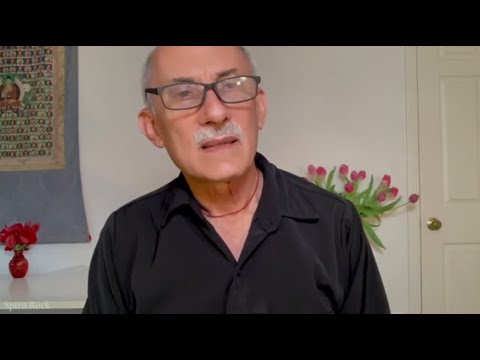
Jack Kornfield presents a Buddhist reframing of attachment: the opposite of unhealthy attachment is not detachment or emotional distance, but love—a quality of presence that doesn't seek to possess, control, or fear what arises. This teaching addresses a common misunderstanding in spiritual practice, where practitioners often confuse non-attachment with indifference or emotional withdrawal. Instead, wise relationship emerges when we're able to show up fully for others without the grasping, anxiety, and need for control that characterize unhealthy attachment.

Leitura · 6 seções

What Is Unhealthy Attachment?

Unhealthy attachment, in Buddhist psychology, is rooted in a sense of separation and scarcity. When we are attached to someone or something, we're operating from a place of fear—fear of loss, fear of not being enough, fear of abandonment. This creates a tight, grasping quality in the relationship. We try to control outcomes, manage the other person's emotions or behavior, and cling to how we want things to be rather than meeting what is actually present. Kornfield emphasizes that this pattern doesn't come from love; it comes from a contracted, defended place where we believe we need to hold on to survive emotionally.

The irony is that this grasping usually pushes away what we're trying to keep close. People sense the neediness and control, and they withdraw. The more we grasp, the more we lose intimacy. Over time, unhealthy attachment erodes both our own peace and the quality of our relationships.

Why Detachment Misses the Mark

Many spiritual practitioners, especially those new to mindfulness or Buddhist teaching, hear the doctrine of non-attachment and conclude that the goal is to become detached—cool, distant, emotionally uninvolved. This is a fundamental misreading. Kornfield directly addresses this: detachment is not the opposite of attachment. Detachment is just another form of contraction, another way of protecting the self. It's cold, and it denies the capacity to love.

True non-attachment doesn't mean you stop caring. It means you care without the desperate grasping. You show up fully, but without the illusion that you can control the outcome or keep something permanently yours. This is actually more vulnerable, not less. It requires more courage than either grasping or withdrawing.

Love as the Opposite of Attachment

Kornfield's central teaching inverts the common framework: "The opposite of attachment is not detachment, but love." This is the pivot point of the talk. Love, as he describes it, has specific qualities that distinguish it from attachment:

  • It does not seek to possess or control. Love allows the other person to be themselves, to grow, to change, without requiring them to stay fixed in a role that serves our emotional needs.
  • It does not separate or fear what is there. Love doesn't withdraw when things become difficult or when the other person disappoints us. It stays present, even in discomfort.
  • It is the ability to be present without grasping. This is perhaps the clearest definition: presence without the tight, anxious quality of trying to force or hold onto something.

This kind of love is active, not passive. It shows up, it engages, it offers its blessings. But it does so from a place of fullness rather than need, from choice rather than desperation.

The Spiritual Practice of Releasing Grasping

How do we move from unhealthy attachment toward this kind of love? Kornfield's work, rooted in his training as a Buddhist monk under teachers like Ajahn Chah, points to meditation and mindfulness as the primary tools. Through meditation, we begin to notice the grasping directly. We see it in the body—the tightness, the tension. We see it in the mind—the repetitive thoughts, the worry, the fantasies of control.

By observing these patterns without judgment, we create space between the impulse to grasp and our response. We begin to understand that the grasping itself is the source of suffering, not the solution. This isn't a moral failing; it's the human condition, and it's workable. As we practice, we can gradually learn to stay present with uncertainty, with the reality that we cannot control others or outcomes, and find that this release actually brings more peace and more authentic connection.

The practice also involves cultivating what Kornfield calls "the ability to be present without grasping." This might look like: sitting with a loved one and fully listening without trying to fix them; feeling your own vulnerability without needing to defend or retreat; allowing the other person to live their own life without requiring their choices to validate yours.

Love as Offering, Not Demand

In the teaching, Kornfield notes that love "offers its blessings." This language—offering—is crucial. It suggests generosity, choice, freedom. You offer your presence, your kindness, your care, but you don't demand that it be received in a particular way or that it produce a certain result. This is radically different from attachment, which demands reciprocation, reassurance, and specific behaviors from the other person.

When you shift into offering mode, the entire relational field changes. The other person no longer feels they're being pulled, tested, or controlled. They can simply receive, or decline, without guilt. This paradoxically deepens intimacy because it removes the transactional quality and the hidden agendas that typically shadow attached relationships.

Where to Go From Here

If this teaching resonates with you, the work is largely contemplative and relational. First, notice where you're grasping in your own life. Where do you feel tight, anxious, or controlling in a relationship? What are you afraid of losing? Second, practice sitting with that fear in meditation without immediately acting on it. Let it be present. Third, experiment with offering love without conditions: show up, be present, listen, help—but without demanding a particular response. Notice what shifts when you release the demand for control.

Kornfield's broader body of work—including his books and courses on forgiveness, the Eightfold Path, and opening the heart—all support this movement from contracted attachment toward the openness and freedom of genuine love. The journey isn't about becoming cold or distant; it's about becoming more alive, more present, and more capable of real connection.

Comments

Loading the conversation…

Be Here Now Network
ArtistBe Here Now Network

Be Here Now Network is the creator of Heart Wisdom with Jack Kornfield, a podcast exploring consciousness, spirituality, and personal transformation. With 313 episodes, they have c…

Ver perfilSite
Explorar temas
AttachmentLoveBuddhist-psychologyRelationshipsMindfulness

Tem perguntas?

Perguntas frequentes

Attachment seeks to possess, control, and separate from what is feared to be lost. Love, by contrast, is the ability to be fully present without grasping—it doesn't seek control or fear loss, but offers its blessings freely. True love allows others to be themselves while showing up authentically without anxiety.
Detachment is simply another form of contraction and self-protection—it's emotionally cold and denies our capacity to love. The goal isn't emotional distance but rather presence without grasping, which paradoxically requires more vulnerability and engagement, not less.
Through meditation and mindfulness, you can observe the grasping patterns directly—the tightness in the body, the controlling thoughts. By noticing without judgment, you create space and begin to understand that the grasping itself causes suffering. You can then practice offering love and presence without demanding specific outcomes or behaviors from the other person.
It means showing up fully, listening deeply, and offering your presence and kindness, but without the hidden demand that the other person reciprocate in a specific way or validate your needs. Love becomes an offering rather than a transaction.
No. Non-attachment means you care deeply but without the desperate, anxiety-driven quality of trying to control, possess, or permanently keep something. You care from a place of fullness and choice rather than fear and scarcity.
When you stop trying to control or manage the other person, they no longer feel pulled, tested, or obligated. This removes the transactional, hidden-agenda quality that shadows attached relationships and paradoxically deepens intimacy and trust.

Continuar lendo

More from Be

Ver Tudo
When Science Meets the Unmeasurable: Paradigm Collapse and Spiritual Inquiry
Inspire

When Science Meets the Unmeasurable: Paradigm Collapse and Spiritual Inquiry

Ram Dass recounts his encounter with a Nobel laureate physicist who accepted every story about his guru—until one crossed the line. The gap …

1 min read
Be Here Now: The Stranger Who Changed Everything
Inspire

Be Here Now: The Stranger Who Changed Everything

A barefoot mystic appeared at a Kathmandu restaurant in 1969 and transmitted a teaching that reshaped American spirituality. This is the ori…

1 min read
Guided Meditation on Loving Awareness and Mindful Stillness
Inspire

Guided Meditation on Loving Awareness and Mindful Stillness

A 25-minute guided meditation teaching mindfulness of breath, body sensations, emotions, and thoughts through loving awareness and spacious …

1 min read
The Three Basic Truths: Impermanence, Suffering, and No-Self
Inspire

The Three Basic Truths: Impermanence, Suffering, and No-Self

Explore Buddhism's foundational teachings on impermanence, suffering, and no-self as gateways to liberation and freedom from identification.…

1 min read

Continue explorando

Continue sua jornada

Mais sabedoria e mais encontros de todo o diretório BrightStar.

Mais artigos

Explore a biblioteca completa de ensinamentos, entrevistas e guias.

Voltar a todos os artigos →

Professores e artistas

Conheça as linhagens, os músicos e os guias do mundo consciente.

Explorar artistas →

Encontre um evento

Kirtan, retiros, banhos de som, breathwork, festivais — acontecendo em breve.

Ver eventos →