EveryGetaway

Ver todos os Retreats

Find your transformative retreat

retreats

Yoga Retreats
Meditation Retreats
Wellness Retreats
Spiritual Retreats
Adventure Retreats
Creative Retreats
Couples Retreats
Detox & Cleanse
Fitness Retreats
Corporate Retreats
Destinos populares
BaliSedonaLos AngelesCosta RicaNew YorkSan FranciscoAustinMiamiJoshua TreeTulum
Ver todas as categoriasVer todos os destinos

Explorar todos os recursos

Ferramentas poderosas para expandir seus eventos

Recursos da plataforma

Precificação dinâmica inteligente
Categorias de ingressos
Lugares marcados
Recuperação de carrinho abandonado
Recuperação de visitantes
Doações e preço variável
Sistema de afiliados
Scanner de ingressos
Códigos de desconto
Perguntas personalizadas
Compartilhamento de ingressos
Upsells e adicionais
Análises e relatórios
Sequências de e-mail
Lista de espera / Notificar / Lembrar
Pessoas e Lugares
Retreat LeadersRetreat OrganizersRetreat CentersKnowledge BaseInspiration
Ver todos os recursosSobre nós
PreçosBlog
Language
Saved events
Ver todos os eventos

retreats

Yoga RetreatsMeditation RetreatsWellness RetreatsSpiritual RetreatsAdventure RetreatsCreative RetreatsCouples RetreatsDetox & Cleanse

Destinos populares

BaliSedonaLos AngelesCosta RicaNew YorkSan Francisco

Pessoas e Lugares

Retreat LeadersRetreat OrganizersRetreat CentersKnowledge BaseInspiration

Recursos da plataforma

Precificação dinâmica inteligenteCategorias de ingressosLugares marcadosRecuperação de carrinho abandonadoRecuperação de visitantesDoações e preço variávelSistema de afiliadosScanner de ingressosCódigos de descontoPerguntas personalizadasCompartilhamento de ingressosUpsells e adicionaisAnálises e relatóriosSequências de e-mailLista de espera / Notificar / Lembrar
Ver todos os recursosSobre nós
PreçosBlog
EntrarSeekersRetreat leaders
  • Ver todos os Retreats
  • Para buscadores
  • Yoga Retreats
  • Meditation Retreats
  • Wellness Retreats
  • Spiritual Retreats
  • Adventure Retreats
  • Creative Retreats
  • Couples Retreats
  • Detox & Cleanse
  • Fitness Retreats
  • Corporate Retreats
  • Retiros
  • Workshops
  • Todas as categorias →
  • Bali, Indonesia
  • Costa Rica
  • Tulum, Mexico
  • Sedona, Arizona
  • Thailand
  • Portugal
  • India
  • Hawaii
  • Greece
  • Spain
  • California
  • Colorado
  • Sri Lanka
  • Morocco
  • Todas as cidades →
  • Para Retreat leaders
  • Para organizações
  • Preços
  • Rede de 500K+ compradores
  • Recuperação de carrinho abandonado
  • Precificação dinâmica inteligente
  • Categorias de ingressos
  • Eventos recorrentes
  • Lugares marcados
  • Sistema de afiliados
  • Lista de espera / Notificar
  • Scanner de ingressos
  • Widget incorporável
  • Distribuição de eventos
  • Central de mensagens
  • Integrações
  • Relatórios
  • Todos os recursos →
  • Sobre
  • O ecossistema
  • Blog
  • Glossário
  • Inspiração
  • Central de ajuda
  • Contato
  • Documentação da API
  • Recursos da marca
  • Carreiras
  • Imprensa
  • Termos de Serviço
  • Política de Privacidade

Retreats

  • Ver todos os Retreats
  • Para buscadores
  • Yoga Retreats
  • Meditation Retreats
  • Wellness Retreats
  • Spiritual Retreats
  • Adventure Retreats
  • Creative Retreats
  • Couples Retreats
  • Detox & Cleanse
  • Fitness Retreats
  • Corporate Retreats
  • Retiros
  • Workshops
  • Todas as categorias →

Destinos

  • Bali, Indonesia
  • Costa Rica
  • Tulum, Mexico
  • Sedona, Arizona
  • Thailand
  • Portugal
  • India
  • Hawaii
  • Greece
  • Spain
  • California
  • Colorado
  • Sri Lanka
  • Morocco
  • Todas as cidades →

Para Retreat leaders

  • Para Retreat leaders
  • Para organizações
  • Preços

Recursos

  • Rede de 500K+ compradores
  • Recuperação de carrinho abandonado
  • Precificação dinâmica inteligente
  • Categorias de ingressos
  • Eventos recorrentes
  • Lugares marcados
  • Sistema de afiliados
  • Lista de espera / Notificar
  • Scanner de ingressos
  • Widget incorporável
  • Distribuição de eventos
  • Central de mensagens
  • Integrações
  • Relatórios
  • Todos os recursos →

Empresa

  • Sobre
  • O ecossistema
  • Blog
  • Glossário
  • Inspiração
  • Central de ajuda
  • Contato
  • Documentação da API
  • Recursos da marca
  • Carreiras
  • Imprensa
  • Termos de Serviço
  • Política de Privacidade
EveryGetaway
© 2026 EveryGetaway. Todos os direitos reservados.
Inspire

Supporting Highly Sensitive Peoplein Leadership Roles

Thomas Huebl
Thomas Huebl
Sep 23, 2024
7 min de leitura
Assistir · 6

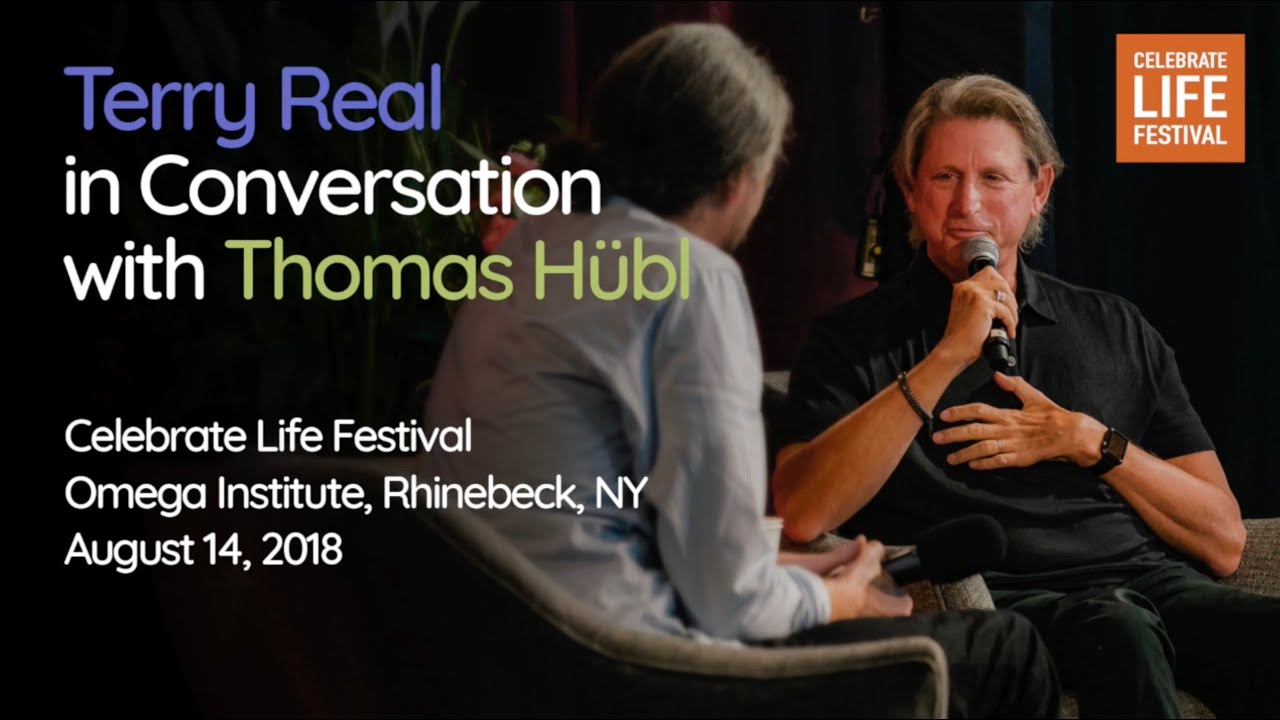
Highly sensitive people and empaths possess a rare cognitive and emotional architecture that makes them exceptional leaders—they process vastly more information than non-sensitive individuals and maintain access to empathy, a quality absent in narcissistic or sociopathic leaders. However, this depth comes with acute overstimulation challenges. The speaker outlines a framework based on the DOES acronym (Depth of processing, Overstimulation, Emotional reactivity, Sensitivity to subtleties) and offers concrete practices—silence, nature, journaling, and safe community processing—that allow sensitive leaders to function effectively without burnout.

Leitura · 6 seções

Why Highly Sensitive People Must Lead

A core argument emerges early in the talk: highly sensitive people and empaths are not liabilities in leadership but essential. The speaker expresses a clear mission to place sensitive individuals—including introverts—into positions of influence because they possess what she calls "a leading edge of evolution quality." These are "deeply thinking, deeply feeling, deeply processing humans, and drenched in empathy" who offer something narcissists, sociopaths, and psychopaths categorically cannot: genuine concern for impact and consequence.

The distinction is not merely moral. Empaths can trace the ripple effects of political and systemic choices in ways that leaders lacking empathy cannot. They are, in effect, living instruments of accountability. The speaker notes that she has no interest in "leadership without empathy" and refuses to follow narcissistic leaders "into a towering inferno." This stance reframes high sensitivity not as a burden to overcome but as a qualification for stewardship.

A telling moment arrives when the speaker references a placard from the Women's March that read: "Things have gotten so bad even the introverts are here." The humor masks a serious observation—when sensitive people overcome their resistance and show up publicly, it signals crisis. Their presence is a canary in the coal mine.

What Does It Mean to Be Highly Sensitive?

The neurobiological reality of high sensitivity is often misunderstood as weakness or excessive emotionality. The speaker clarifies: a non-highly-sensitive person entering a room processes approximately 50 pieces of information. A highly sensitive person processes 500. This tenfold difference is not a personality preference; it is a sensory processing difference that affects every interaction.

A highly sensitive nervous system picks up on smells, visual cues, social danger signals, and subtle environmental shifts—the speaker uses the metaphor of detecting "where the Sabertooth tiger is," invoking the ancient survival function of this trait. The advantage is obvious in slow, thoughtful contexts: sensitivity yields richness, nuance, and attunement. The cost is immediate and relentless: overstimulation arrives within minutes of waking.

The speaker describes a state of being "flooded by too much information" sometimes as early as five minutes after waking, before any intentional activity has begun. This is not anxiety or dramatics; it is the baseline condition of receiving ten times the sensory input while operating with the same finite attention and nervous system capacity as anyone else.

Understanding the DOES Framework

To navigate this reality responsibly, the speaker introduces the DOES acronym, a framework developed by high sensitivity researcher Elaine Aron: Depth of processing, Overstimulation, Emotional reactivity, and Sensitivity to subtleties.

Depth of processing is how sensitive people first notice they are different—they ruminate, integrate, and extract meaning from experiences in ways others may bypass. This depth is their superpower in reflection, creation, and relationship, but it also means they cannot move quickly or superficially through complex situations.

Overstimulation is the immediate consequence of processing more data. The speaker emphasizes that this is not a flaw to push through but a reality to manage. Just as a high-resolution camera sensor in a bright room requires protective filters, a highly sensitive nervous system requires deliberate input reduction.

Emotional reactivity and sensitivity to subtleties round out the framework—highly sensitive people feel more, notice more, and are affected more by the emotional tenor of their environment.

What Does a Highly Sensitive Leader Need to Function?

The speaker moves from diagnosis to practical responsibility. She frames high sensitivity not as a reason to avoid leadership but as a reason to set clear boundaries and infrastructure that allow sensitive people to lead without burning out.

Silence and Alone Time

The most immediate need is brief, regular silence. The speaker describes how even six minutes of uninterrupted silence is "so restorative" that it fundamentally resets her nervous system. This is not self-indulgence; it is maintenance. She requests, and expects to receive, "a room with a door where I could click it shut, even if I have to hide in the bathroom." The specificity matters—a closed door signals permission to pause the relentless input.

Nature and Water

Being outside is "huge" for the speaker; ocean and water are "massive," and nature is "instantly restorative." This is not poetic flourish but documented physiology—nature exposure downregulates the nervous system, and water has particular neurological effects on sensitive individuals. For a sensitive leader, access to these environments is not a luxury but a working condition.

Journaling and Reflection Space

The speaker mentions having "a journal nearby," suggesting that offloading the contents of her mind into writing is a critical tool. Journaling externalizes the internal processing, giving the overwhelmed mind a place to deposit its load.

Safe Community and Processing Without Judgment

Perhaps most crucial is "enough community around where I can vent and process." The speaker and her community "hold the bucket for each other"—a metaphor for emotional containment. This is not complaining or venting to triangulate against others; it is processing in a deliberately safe, unmeasured environment.

She emphasizes: "There has to be a place where we're unmeasured and we feel safe." In that space, moving energy and releasing what has been absorbed becomes possible. Without such a container, sensitive people internalize the overflow, leading to depression, burnout, and the loss of their gifts to leadership.

The Responsibility of Leading While Sensitive

A subtle but important reframing occurs throughout the talk. The speaker does not ask for pity or accommodation based on limitation. Instead, she frames clear boundaries as professional responsibility—the same way a surgeon ensures adequate rest before surgery, a sensitive leader must ensure adequate processing to function effectively. She describes communicating her needs clearly with "my husband or my team members, producers," normalizing the conversation.

The talk implies that sensitive people who move into leadership must do the work of understanding their own temperament (via frameworks like DOES) and then advocating transparently for the conditions they need. This is not special treatment; it is systems design that recognizes neurobiological reality.

Where to Go from Here

If you recognize yourself as a highly sensitive person or empath, the first step is reframing sensitivity as a feature, not a bug. The DOES framework offers vocabulary to understand your wiring without pathologizing it. Second, audit your current environment: Do you have access to silence, nature, journaling space, and safe community? If not, these are not nice-to-haves but infrastructure you need to advocate for. Third, if you are in or considering leadership, know that your depth, empathy, and ability to process impact are exactly what the world needs—and that leading well means building the scaffolding that allows you to show up sustainably. Finally, if you work with sensitive people, understand that a closed door, six minutes of quiet, or an afternoon near water is not avoidance; it is a sensitive person returning to baseline so they can bring their full intelligence and heart to the work ahead.

Comments

Loading the conversation…

Transcript

[0:00] One of my many missions is to support people with this temperament, even those who are introverts  

[0:05] into, supporting them to be in positions of  leadership, because there is an  

[0:11] inquiry, there is a philosophy, there is a um a  leading edge of evolution quality to those who  

[0:19] are deeply thinking, deeply feeling, deeply  processing humans, and drenched in empathy  

[0:26] if they're empaths. So for me, I don't want a  narcissist, or a sociopath, or a psychopath in  

[0:32] a position of leadership political or otherwise.  I'm not following these people into a towering  

[0:36] inferno, I'm just not because they don't  have access to empathy and I'm not interested  

[0:41] in leadership without empathy. So my eye goes  toward those of us who are highly sensitive  

[0:48] and connect with the idea of being an empath  because we are the ones who are really going  

[0:53] to process something all the way through  and see the impact of different political  

[0:57] choices or leadership choices in a system. And I  laugh, when I think about the Women's March, there  

[1:01] was a placard there and it just said, "Things  have gotten so bad even the introverts are

[1:05] here." If they show up you, know we're in trouble.  They're pushing through so much resistance.  

[1:15] So for me it's about you know, and it speaks  to your question which is how do you navigate  

[1:21] leadership with the sensitive empath temperament, and a lot of it is being responsible for the  

[1:28] fact that, the acronym that really comes into  play is DOES, so the depth of processing, that's  

[1:33] how we notice we're sensitive, the easy  overstimulation, because in theory a highly  

[1:38] sensitive person, well a non-highly sensitive  person, not to say they're not sensitive, but the  

[1:44] trait itself, if they don't have the trait of  high sensitivity, they'll walk into a room and  

[1:48] they'll pick up on 50 pieces of information.  A highly sensitive temperament walks into a  

[1:54] room and picks up on 500 pieces of information,  so it goes without saying that the overstimulation  

[2:00] factor is pretty instant you know because  we're picking up on smells, visual, who's dangerous,  

[2:06] where the Sabertooth tiger is, we're picking up  on everything. Sometimes within five minutes of  

[2:11] waking I will be flooded by too much information,  so that's my responsibility to just say okay I'm  

[2:18] flooded, and I'll I have ways of communicating with my husband or my team members, producers,

[2:24] and a lot of what I request is a room with a door  where I could click it shut, even if I have to hide  

[2:30] in the bathroom because 6 minutes of silence is  so restorative for me and that's one of the breaks  

[2:35] that I allude to when I talk about how important  taking breaks are, and being outside is huge  

[2:42] for me ocean, anything water is massive  nature is instantly restorative for me  

[2:52] having a journal nearby have ideally having enough community around where I can vent and process, we  

[2:57] hold the bucket for each other as we like to  call it, because I think venting and moving  

[3:03] energy in a safe environment, not triangulating  against, but being in a safe environment processing  

[3:10] and venting is huge there has to be a  place where we're unmeasured and we feel safe.

Thomas Huebl
ArtistThomas Huebl

Thomas Hübl is a spiritual teacher and author who bridges mysticism and collective trauma healing. Since 2004, he has taught over 100,000 students through programs focused on syste…

Ver perfilSite
Explorar temas
Highly-sensitive-peopleEmpathic-leadershipNervous-system-regulationEmpath-burnoutOverstimulation

Tem perguntas?

Perguntas frequentes

A highly sensitive person processes approximately 10 times more sensory and emotional information than a non-sensitive person—500 pieces of information versus 50 when entering a room. This neurobiological difference is not a personality preference but a trait affecting sensory processing, depth of reflection, and susceptibility to overstimulation.
Yes, and they may be essential. Highly sensitive leaders bring empathy, the ability to process complex consequences, and deep attunement to systems—qualities absent in narcissistic or sociopathic leaders. The key is building the infrastructural support (silence, nature access, safe community) that allows them to function sustainably.
The speaker recommends regular brief breaks (6 minutes of silence can be restorative), time in nature or near water, journaling to externalize thoughts, and access to safe community for processing without judgment. These are not luxuries but necessary maintenance for a sensitive nervous system.
DOES is an acronym describing the four dimensions of high sensitivity: Depth of processing, Overstimulation, Emotional reactivity, and Sensitivity to subtleties. This framework helps highly sensitive people understand their wiring without pathologizing it.
The speaker referenced a placard reading 'Things have gotten so bad even the introverts are here,' noting that when sensitive, reserved people overcome their resistance and appear publicly, it signals a crisis serious enough to pull them into action—they become a canary in the coal mine for systemic problems.
Holding the bucket is a metaphor for emotional containment—creating a safe, non-judgmental space where sensitive people can vent and process energy without fear of being measured or criticized. This safe community outlet is essential to prevent sensitive people from internalizing emotional overflow.

Continuar lendo

More from Thomas

Ver Tudo
Trauma in Relationships: How Past Wounds Affect Intimate Bonds
Inspire

Trauma in Relationships: How Past Wounds Affect Intimate Bonds

Explore how trauma—relational and ancestral—shapes intimate relationships and why your partner becomes the projection screen for childhood w…

1 min read
Relationship as Spiritual Practice: Intimacy as Inner Work
Inspire

Relationship as Spiritual Practice: Intimacy as Inner Work

Terry Real explores how intimate relationships become a crucible for spiritual growth, teaching conscious choice over automatic reactivity i…

1 min read
Govinda Jaya: How Sacred Sound Awakens the Heart
Inspire

Govinda Jaya: How Sacred Sound Awakens the Heart

Radhika Das channels the liberating power of mantra through a luminous kirtan performance at Medicine Festival, invoking divine names to pur…

1 min read
Om Namah Shivaya Chant: Ecstatic Trance Meditation
Inspire

Om Namah Shivaya Chant: Ecstatic Trance Meditation

Jai Uttal guides listeners into an ecstatic chant trance with Om Namah Shivaya, the Sanskrit invocation of Shiva consciousness. A 91-second …

1 min read

Continue explorando

Continue sua jornada

Mais sabedoria e mais encontros de todo o diretório BrightStar.

Mais artigos

Explore a biblioteca completa de ensinamentos, entrevistas e guias.

Voltar a todos os artigos →

Professores e artistas

Conheça as linhagens, os músicos e os guias do mundo consciente.

Explorar artistas →

Encontre um evento

Kirtan, retiros, banhos de som, breathwork, festivais — acontecendo em breve.

Ver eventos →