What is Ghazal?
A ghazal is a lyrical poetic form consisting of rhyming couplets (called sher or bayt) and a refrain, with each line sharing the same meter. Originating in Arabic poetry and reaching its apex in Persian and Urdu literature, the ghazal traditionally explores themes of love—both earthly and divine—separation, longing, and the pain of unfulfilled desire. Each couplet functions as an autonomous poem, yet together they create a constellation of emotion and imagery. The form requires strict adherence to metrical patterns (bahr) and a rhyme scheme where the first couplet (the matla) establishes a rhyme that recurs in the second line of each subsequent couplet. The final couplet (the maqta) typically includes the poet’s pen name (takhallus), serving as a signature.
While often associated with romantic love, the ghazal’s true power lies in its dual register: the surface narrative of human love serves as a veil for mystical yearning, the soul’s desire for union with the Divine. This interpretive ambiguity—whether the beloved is human or God—has made the ghazal a central vehicle for Sufi mystical expression across Islamic cultures.
Origins & Lineage
The ghazal emerged in 7th-century Arabia as a section within the longer qasida (ode), specifically the nasib or love prelude. The Arab poet Abu Nuwas (756-814 CE) is often credited with developing the ghazal as an independent form. The form migrated eastward with Islamic expansion, finding fertile ground in Persia during the 10th-12th centuries.
Persian poets transformed the ghazal into high art. Sanai of Ghazna (1080-1131) infused it with Sufi mysticism, followed by Farid ud-Din Attar (1145-1221). But it was Jalal ad-Din Rumi (1207-1273) and Hafez of Shiraz (1315-1390) who elevated the form to spiritual and literary perfection. Hafez’s Divan remains the pinnacle of Persian ghazal writing, studied for both poetic mastery and mystical depth. In the 18th-19th centuries, Urdu ghazal reached its zenith with Mirza Ghalib (1797-1869) and Muhammad Iqbal (1877-1938), who brought philosophical depth and social consciousness to the form.
How It’s Practiced
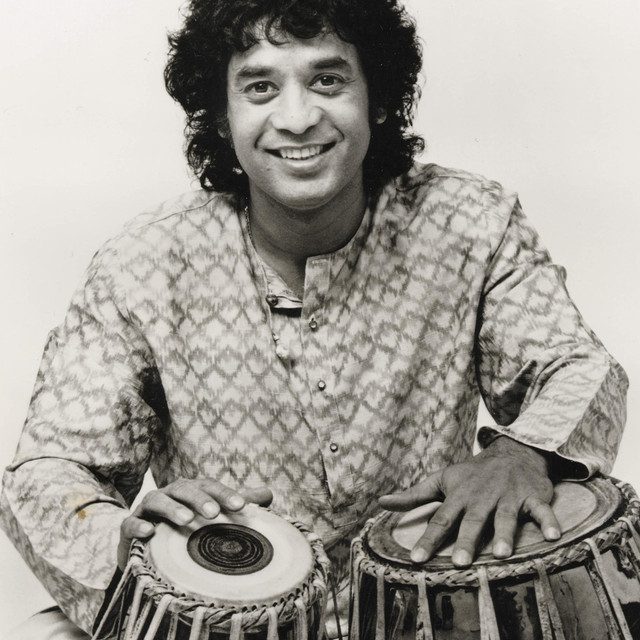
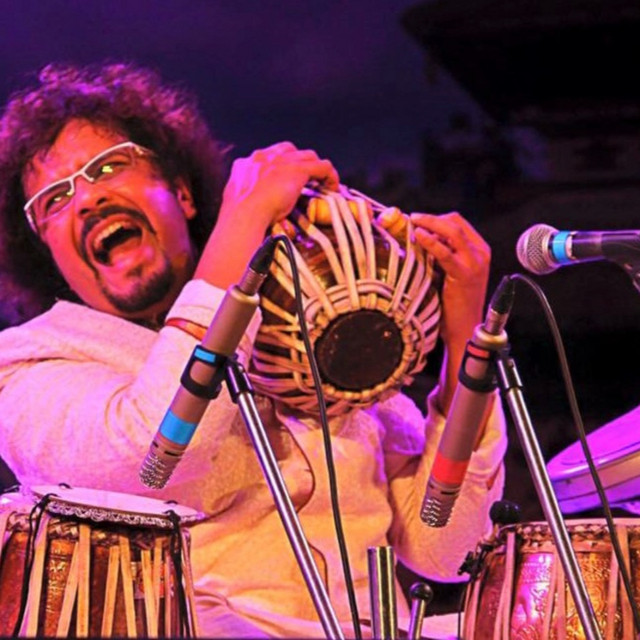
Traditionally, ghazals were performed in courtly mehfils (gatherings) and Sufi sama sessions, often set to music. The poet or shayar would recite verses accompanied by harmonium, tabla, or other classical instruments. Listeners would respond to particularly resonant couplets with exclamations of wah wah (bravo) or by repeating the verse.
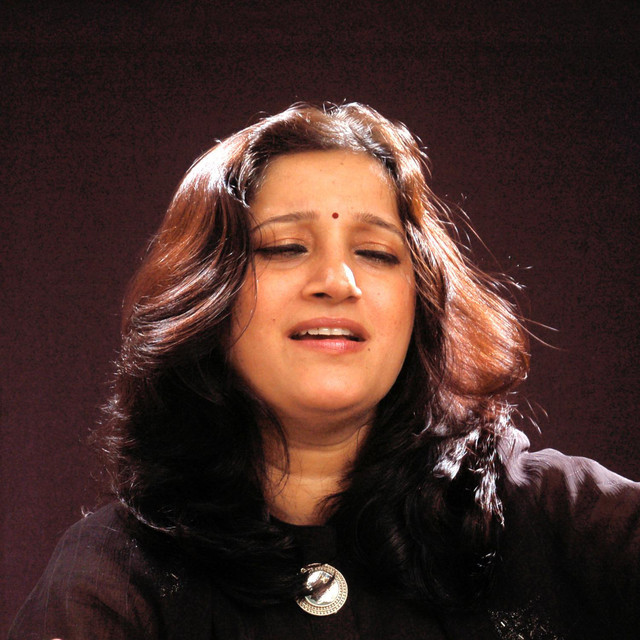
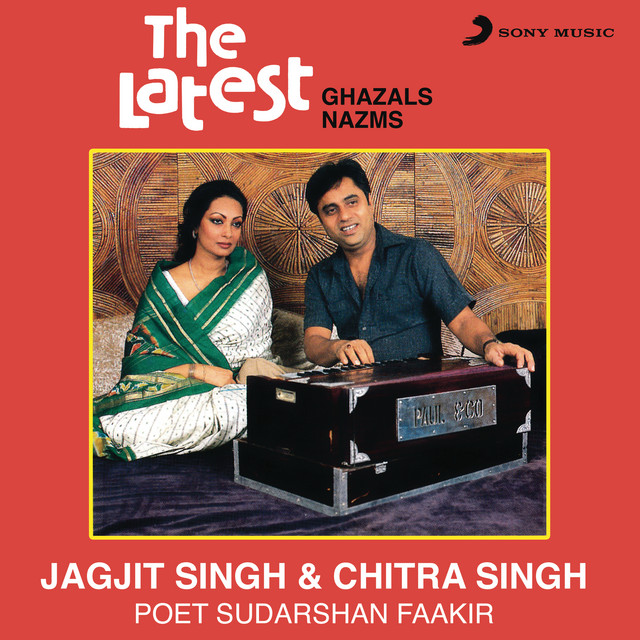
Musically, ghazal performance follows classical Indian or Persian ragas, with singers like Mehdi Hassan, Jagjit Singh, and Begum Akhtar defining the modern vocal tradition. The singer typically repeats each couplet multiple times, allowing the emotional and spiritual weight to sink in. Unlike qawwali, which builds to ecstatic crescendos, ghazal performance maintains intimate restraint, inviting contemplative listening.
In literary practice, poets continue composing ghazals in Urdu, Persian, and increasingly in English and other languages. Contemporary mushairas (poetry gatherings) in South Asia and diaspora communities preserve the oral tradition, where poets present new work to discerning audiences who appreciate technical mastery as much as emotional resonance.
Ghazal Today
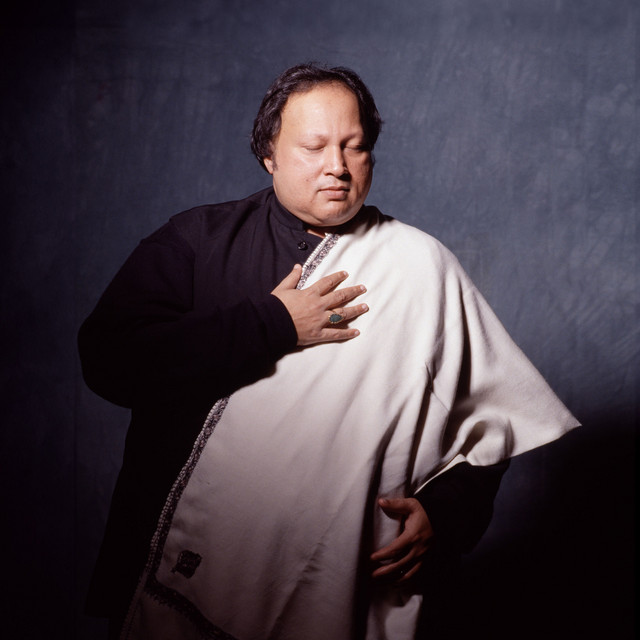
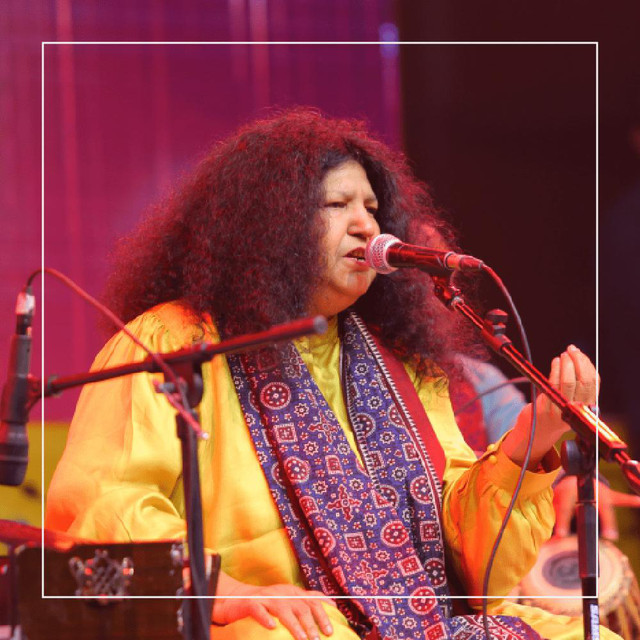
Contemporary spiritual seekers encounter ghazal primarily through three channels: recorded music, translation, and cross-cultural adaptation. The Sufi music revival has introduced Western audiences to ghazal through performers like Abida Parveen and Nusrat Fateh Ali Khan, though the latter is more associated with qawwali. Translations of Rumi and Hafez by Coleman Barks, Daniel Ladinsky, and others have made Persian ghazal accessible, though scholars debate the fidelity of these popular versions.
Ghazal composition workshops appear occasionally in literary and interfaith settings, and the form has been adopted by American poets including Agha Shahid Ali (who wrote Ravishing DisUnities: Real Ghazals in English, 2000) and Adrienne Rich. However, authentic ghazal—with its complex prosody and cultural context—remains primarily the domain of South Asian and Persian communities. Spiritual seekers interested in the ghazal’s mystical dimensions often explore it alongside broader Sufi studies, encountering the form as sung poetry rather than written text.
Common Misconceptions
Ghazal is not simply any spiritual or romantic poem. The form demands specific structural requirements that many Western “ghazals” ignore, leading purists to reject free-verse experiments as inauthentic. The popular Rumi translations, while spiritually inspiring, often sacrifice the formal constraints and cultural nuance of the original Persian.
Ghazal is also not synonymous with Sufi music generally; it is distinct from qawwali (ecstatic devotional music), kafi (Punjabi Sufi poetry), and na’at (praise poetry). While thematically overlapping, each follows different formal rules and performative contexts.
Finally, not every ghazal is mystical. Many are frankly erotic or concerned with worldly love, wine, and beauty. The Sufi interpretation is one lens among several, and reducing all ghazals to mystical allegory flattens their rich ambiguity.
How to Begin
For the Sufi mystical tradition: begin with literal translations of Hafez (The Gift translated by Ladinsky offers accessibility; Faces of Love by Dick Davis provides scholarly accuracy) and Rumi’s Divan-e Shams-e Tabrizi. Pair reading with listening: seek recordings by Mehdi Hassan, Jagjit Singh, or Abida Parveen to understand how the form breathes in performance.
For technical understanding: read Agha Shahid Ali’s anthology Ravishing DisUnities, which includes essays on ghazal’s formal requirements alongside English-language examples. Attend a mushaira or South Asian cultural event where live ghazal is performed—the communal context illuminates what private reading cannot.
For practice: if drawn to compose, study Urdu or Persian meters with a teacher familiar with classical prosody. Without this foundation, the result will be ghazal-inspired free verse rather than true ghazal—beautiful perhaps, but formally distinct from the centuries-old tradition.