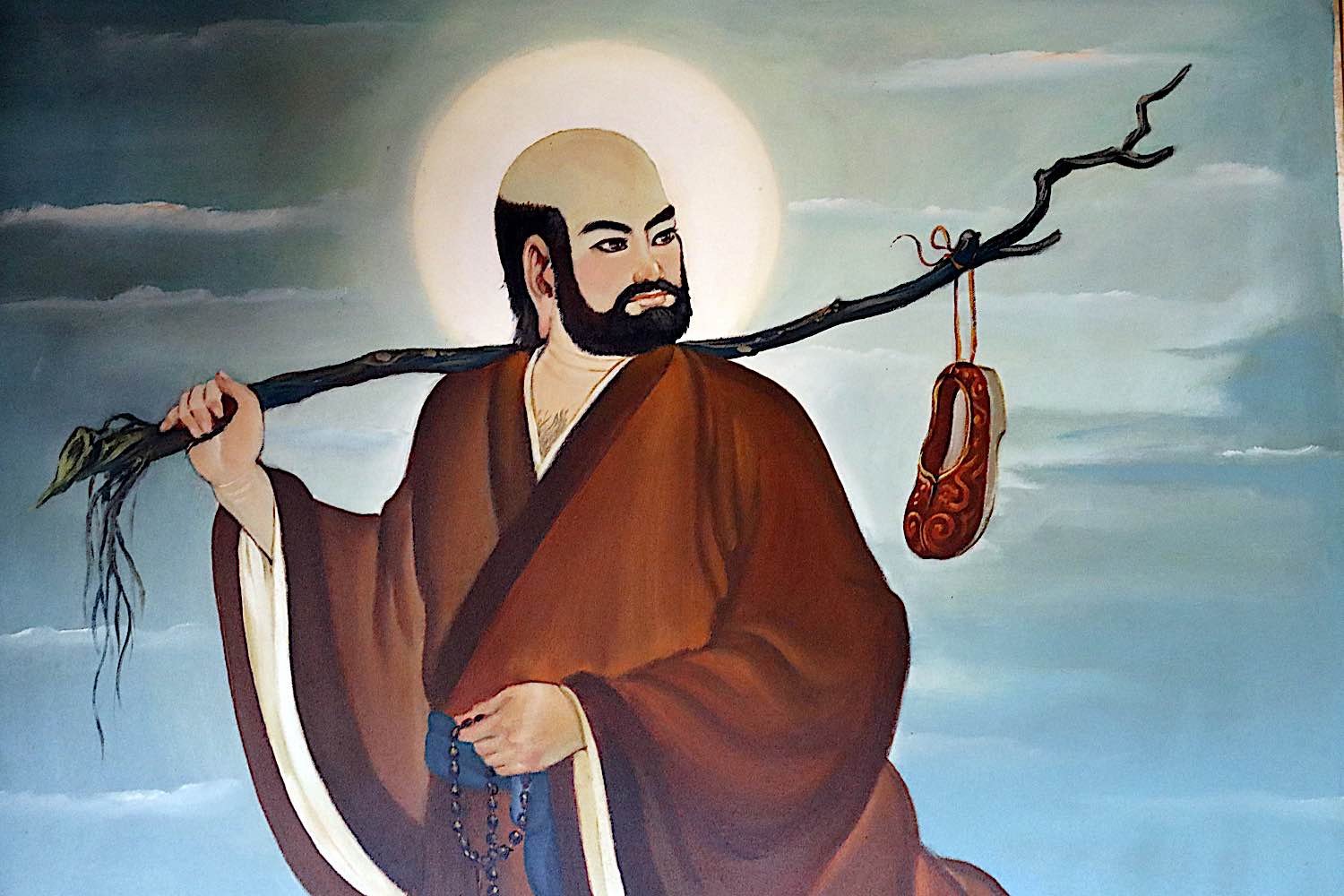
Bodhidharma's profound assertion, "Where there is no clinging, there is no enemy," invites us to explore the intricate relationship between attachment and conflict. In a world often marked by strife and division, this statement serves as a reminder that our internal struggles can manifest as external adversaries. The essence of this teaching lies in understanding how our attachments—whether to ideas, possessions, or even relationships—can create barriers that lead to discord. Recognizing the nature of clinging allows us to cultivate a sense of peace that transcends the dualities of friend and foe.
Delving deeper into this wisdom, we find that clinging is not merely an emotional state but a fundamental aspect of our human experience. It is the grasping at what we desire or the aversion to what we fear that often leads to suffering. Bodhidharma's insight encourages us to examine the roots of our attachments and the ways they shape our perceptions of others. By letting go of these attachments, we can dissolve the boundaries that separate us from one another, fostering a more harmonious existence.
The image / the metaphor
The imagery in Bodhidharma's quote evokes a landscape where the absence of clinging creates a serene environment, free from the turmoil of conflict. The verb "clinging" suggests an active, almost desperate grasping, while "enemy" implies a relationship defined by opposition and strife. This stark contrast highlights the transformative potential of releasing our attachments. When we cease to cling, we open ourselves to a state of being where hostility cannot take root, allowing for a more profound sense of peace and connection with others.
Metaphorically, clinging can be seen as a heavy anchor that keeps us tethered to the tumultuous waters of our desires and fears. In contrast, the absence of clinging is akin to a bird in flight, soaring freely above the chaos below. This metaphor invites us to envision a life unencumbered by the weight of our attachments, where we can navigate the world with grace and ease. By embracing this perspective, we can begin to see others not as enemies but as fellow travelers on the path of existence, each grappling with their own struggles.
In the speaker's tradition
Bodhidharma, the legendary figure credited with bringing Zen Buddhism to China, emphasizes the importance of direct experience and insight into the nature of reality. His teachings resonate deeply with the concept of sunyata, or emptiness, which posits that all phenomena are devoid of inherent existence. This understanding aligns with the idea of kenosis, or self-emptying, found in various spiritual traditions, where the relinquishing of the self leads to a deeper connection with the universe. In this light, clinging becomes a barrier to realizing our true nature, which is interconnected and free from the confines of ego.
In the context of Zen practice, Bodhidharma's teachings encourage practitioners to cultivate prajna, or wisdom, through meditation and mindful awareness. This wisdom allows us to see through the illusions created by our attachments, revealing the underlying unity of all beings. A relevant text that echoes this sentiment is the Heart Sutra, which states, "Form is emptiness, emptiness is form," reminding us that our perceptions of separation are ultimately illusory. By embracing this understanding, we can begin to dismantle the barriers that create enmity in our lives.
Living the teaching
Consider a modern scenario where this teaching can be applied: a workplace conflict arising from differing opinions on a project. When individuals cling to their perspectives, they may perceive their colleagues as adversaries, leading to tension and discord. However, if each person can recognize their attachment to being "right" and instead approach the situation with openness and curiosity, the dynamic shifts. By letting go of the need to cling to their viewpoints, they can foster collaboration and understanding, transforming potential enemies into allies working toward a common goal.
In the realm of personal relationships, the teaching of non-clinging can be equally transformative. Imagine a friendship strained by unmet expectations and unspoken grievances. When one party clings to past hurts or the desire for validation, it creates an emotional distance that can feel insurmountable. However, by practicing non-attachment—acknowledging feelings without allowing them to dictate actions—individuals can approach the relationship with compassion and understanding. This shift not only alleviates the burden of resentment but also opens the door to healing and deeper connection.
A reflection
As we contemplate Bodhidharma's wisdom, we are invited to reflect on our own lives: What attachments are we clinging to that may be creating barriers between ourselves and others? In what ways do these attachments shape our perceptions of conflict and enmity? By engaging with these questions, we can begin to uncover the layers of our own clinging and explore the possibility of a more peaceful existence, free from the constraints of our attachments.
