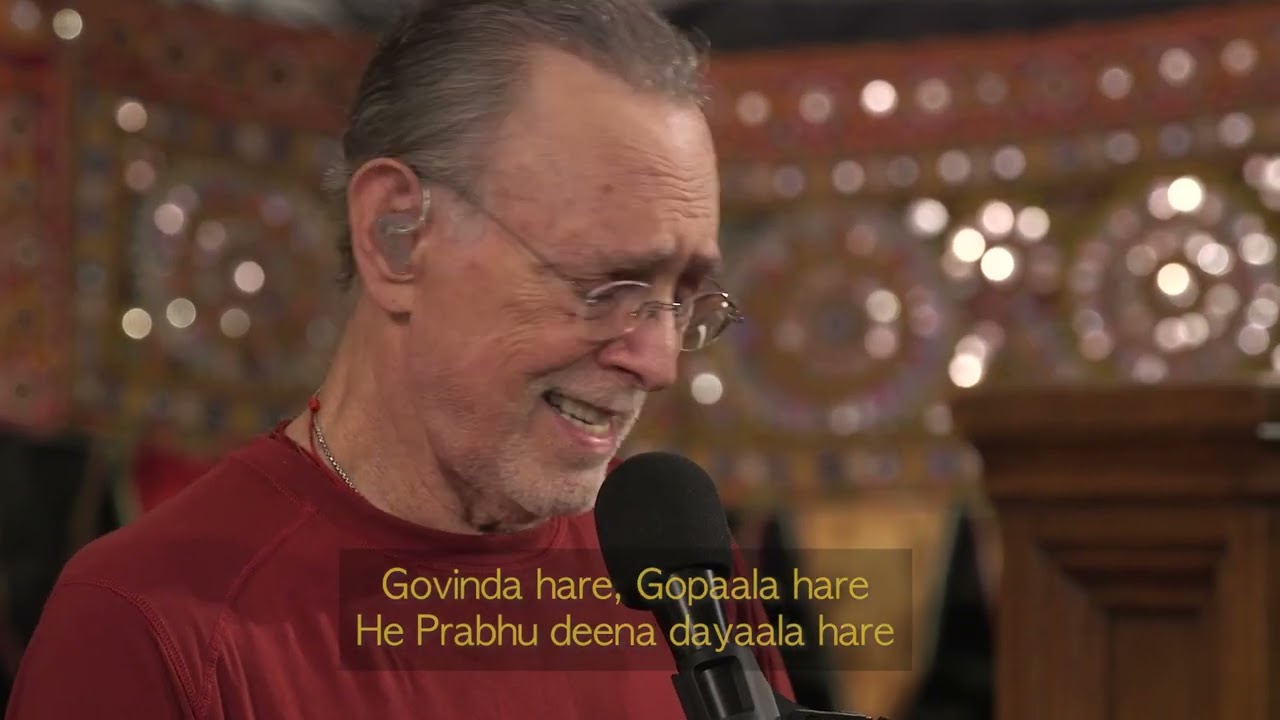
In the words of Krishna Das, "The heart knows the way home." This profound statement invites us to explore the innate wisdom residing within our hearts, suggesting that our true path is not always dictated by external circumstances or rational thought. Instead, it implies a deeper, intuitive understanding that guides us toward our authentic selves and our ultimate destination. Recognizing this inner compass is crucial in a world often filled with distractions and noise, where the search for belonging and purpose can feel overwhelming.
As we delve into this quote, we uncover layers of meaning that resonate with the spiritual journey of many seekers. The notion of "home" transcends the physical realm; it speaks to a state of being, a place of inner peace and connection. In this context, the heart becomes a metaphorical guide, illuminating the path toward self-discovery and spiritual fulfillment. Understanding this relationship between the heart and the concept of home can transform our approach to life's challenges, encouraging us to trust our inner wisdom and embrace the journey ahead.
The image / the metaphor
The imagery in Krishna Das's quote evokes a sense of warmth and familiarity, suggesting that home is not merely a location but a feeling of safety and belonging. The heart, often associated with love and emotion, serves as a compass that directs us toward this sanctuary. The verb "knows" implies a deep, intrinsic understanding that transcends intellectual reasoning, suggesting that our hearts possess an innate intelligence that can guide us through life's complexities. This imagery invites us to cultivate a relationship with our hearts, allowing them to lead us toward our true essence.
Diving deeper into the metaphor, we can see that the journey home is not always straightforward. It may involve navigating through pain, confusion, and uncertainty. The heart's wisdom often requires us to confront our fears and insecurities, challenging us to embrace vulnerability as we seek our true selves. In this sense, the heart's knowledge is not just about finding comfort; it is also about the courage to face the unknown and trust that we are being led toward a greater understanding of who we are and what we are meant to become.
In the speaker's tradition
Krishna Das, a prominent figure in the bhakti tradition, emphasizes the importance of devotion and love in the spiritual journey. Bhakti, which translates to "devotion," encourages practitioners to cultivate a deep, personal relationship with the divine. This relationship is often characterized by surrender, trust, and the recognition that our hearts hold the key to understanding our purpose. Concepts such as dharma, or one's righteous path, and kenosis, the act of self-emptying, resonate with the idea that the heart can guide us toward our true calling when we are willing to let go of our ego and preconceived notions.
In the Bhagavad Gita, a foundational text in the bhakti tradition, Lord Krishna speaks to Arjuna about the importance of following one's heart and intuition. He encourages Arjuna to trust his inner guidance, even amidst confusion and doubt. This theme of inner knowing is echoed throughout the Gita, where the heart serves as a bridge between the individual self and the divine. By aligning ourselves with this inner wisdom, we can navigate our lives with greater clarity and purpose, ultimately finding our way home.
Living the teaching
Consider a modern scenario where this teaching resonates: a person grappling with a career decision that feels misaligned with their true self. They may find themselves torn between societal expectations and their heart's desire for authenticity. In this situation, the wisdom of the heart can serve as a guiding light, encouraging them to listen to their inner voice and pursue a path that feels more aligned with their values and passions. By trusting their heart's guidance, they can navigate the complexities of their decision-making process and ultimately find a sense of fulfillment in their chosen path.
Another application of this teaching can be found in relationships, particularly during moments of conflict or misunderstanding. When faced with challenges, individuals often resort to defensive mechanisms or rational arguments. However, by tuning into their hearts, they can cultivate empathy and compassion, allowing them to approach the situation with a deeper understanding of their own feelings and those of their partner. This heart-centered approach fosters connection and healing, reminding us that the way home often involves vulnerability and openness in our interactions with others.
A reflection
As we contemplate the wisdom of Krishna Das's quote, we are invited to reflect on our own journeys. What does "home" mean to you, and how does your heart guide you toward it? In moments of uncertainty or confusion, how can you cultivate a deeper connection with your heart to navigate your path? Allow these questions to resonate within you, encouraging a gentle exploration of your inner landscape as you seek to understand the profound wisdom that lies within.