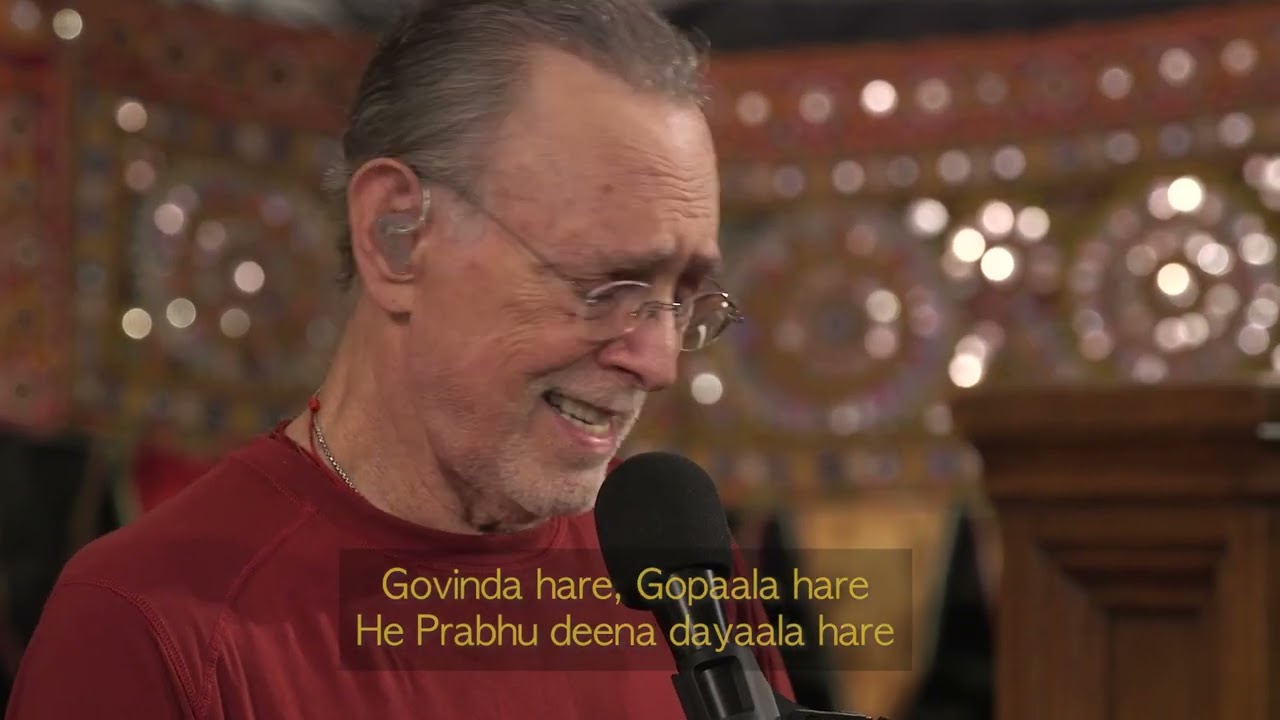
In the words of Krishna Das, "To chant is to come home." This profound statement invites us to explore the essence of chanting as a spiritual practice that transcends mere vocalization. It suggests that through the act of chanting, we can return to a place of inner peace and belonging, a sanctuary that resides within us. This notion resonates deeply in a world often characterized by disconnection and chaos, reminding us of the importance of finding our way back to ourselves.
Chanting, as Krishna Das articulates, is not simply about the sounds we produce; it is an invitation to reconnect with our true nature. It serves as a bridge that leads us back to a sense of wholeness, a reminder that we are not separate from the divine or from each other. This idea of returning home speaks to a universal longing for connection, a desire to find solace in the familiar rhythms of our own hearts and the greater cosmos.
The image / the metaphor
The imagery embedded in the phrase "to come home" evokes a sense of warmth, safety, and belonging. Home is often associated with comfort, love, and acceptance, a place where we can shed our masks and be our authentic selves. The act of chanting, then, becomes a means of navigating the often tumultuous waters of life, guiding us back to this sanctuary within. The verb "chant" implies an active engagement, a rhythmic invocation that calls forth the essence of our being and the divine presence that surrounds us.
Diving deeper into the metaphor, we can see that home is not merely a physical space; it is a state of being. To chant is to engage in a practice that aligns our hearts and minds, allowing us to transcend the distractions of the external world. In this way, chanting becomes a pilgrimage, a sacred journey that leads us back to the core of our existence, where we can experience the profound interconnectedness of all life.
In the speaker's tradition
Krishna Das is rooted in the tradition of bhakti, a path of devotion that emphasizes love and surrender to the divine. In bhakti, the concept of home is intimately tied to the idea of dharma, or one's true purpose. Chanting serves as a vehicle for expressing this devotion, allowing practitioners to cultivate a sense of belonging not only to themselves but also to the divine and the community around them. This practice embodies the principles of kenosis, or self-emptying, where one surrenders the ego to experience a deeper connection with the divine essence.
In the context of bhakti, we can draw parallels to the teachings found in texts such as the Bhagavad Gita, where the importance of devotion and surrender is emphasized. The Gita speaks of the path of bhakti as a means to attain union with the divine, echoing Krishna Das's sentiment that chanting is a return to our true home. This sacred text invites us to recognize that our journey is not merely about individual fulfillment but about our interconnectedness with all beings, reinforcing the notion that to chant is to come home to a shared existence.
Living the teaching
Imagine a moment in your daily life when the noise of the world feels overwhelming—perhaps during a hectic commute or amidst the chaos of a busy workplace. In such moments, the practice of chanting can serve as an anchor, a way to ground yourself and return to a sense of inner peace. By taking a few moments to engage in this practice, you can create a sanctuary within, allowing the vibrations of the chant to wash over you and reconnect you with your essence. This simple act can transform your experience, reminding you that home is always accessible, even in the midst of turmoil.
Consider also how this teaching can manifest in relationships. When conflicts arise, it is easy to feel disconnected from those we love. By incorporating chanting into your interactions—perhaps through shared moments of reflection or even singing together—you can foster a sense of unity and understanding. This practice can serve as a reminder that, despite our differences, we are all on a shared journey home, and through love and devotion, we can navigate the complexities of our connections with grace.
A reflection
As we contemplate Krishna Das's words, we might ask ourselves: What does it mean for me to come home? In what ways can I cultivate a practice of chanting or reflection that allows me to reconnect with my true self and the world around me? This question invites us to explore our own relationship with home, both as a physical space and as a state of being, encouraging us to seek out the practices that resonate with our journey.