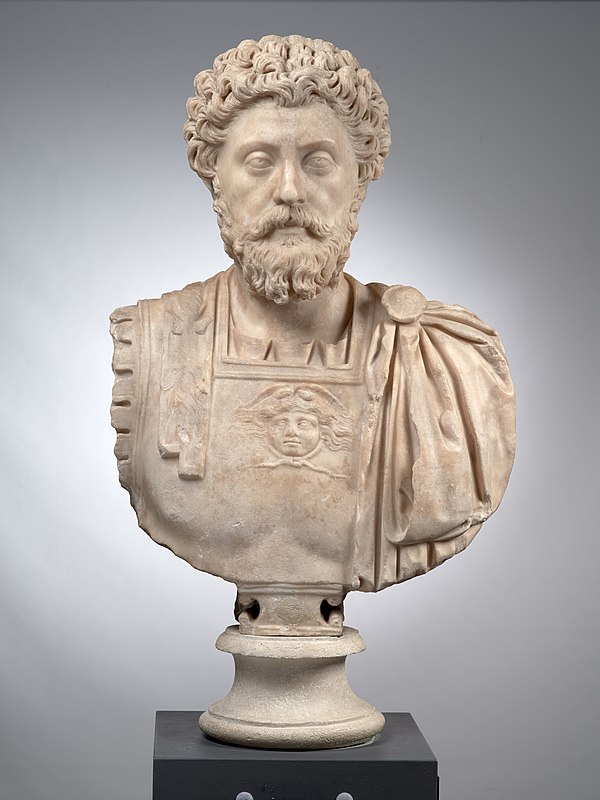
Marcus Aurelius invites us to "look well into thyself," suggesting that within each of us lies an inexhaustible source of strength. This introspective journey is not merely a call to self-examination; it is a profound reminder that our resilience and fortitude are often hidden beneath the surface of our daily distractions. In a world that constantly demands our attention and energy, recognizing this inner wellspring becomes essential for navigating life's challenges with grace and purpose.
To delve deeper into this notion, we must consider the implications of self-awareness and the strength that arises from it. In a society that often equates strength with external achievements or material success, Aurelius's wisdom serves as a counterpoint, urging us to shift our focus inward. This inward gaze not only fosters self-acceptance but also cultivates a profound understanding of our capabilities, allowing us to draw upon our inner resources when faced with adversity. The stakes are high; in neglecting this inner exploration, we risk becoming disconnected from our true selves and the strength that resides within.
The image / the metaphor
The imagery in Aurelius's quote evokes a sense of deep introspection, as if he is beckoning us to embark on a journey into the depths of our own being. The phrase "look well into thyself" suggests a careful and deliberate examination, akin to a miner sifting through layers of earth to uncover precious gems. The use of "source of strength" implies that this inner reservoir is not merely a static quality but a dynamic force that can be tapped into at any moment. The verbs chosen—"look" and "spring up"—convey a sense of action and vitality, emphasizing that this strength is not only present but also ready to emerge when called upon.
In the speaker's tradition
Marcus Aurelius's insights are deeply rooted in the Stoic tradition, which emphasizes the importance of self-knowledge and the cultivation of virtue. Central to Stoicism is the concept of "eudaimonia," often translated as human flourishing or well-being, which arises from living in accordance with reason and virtue. This aligns with the idea of "dharma" in Eastern philosophies, where understanding one's true nature and purpose is essential for achieving a harmonious life. Both traditions underscore the significance of introspection as a means to uncover the strength necessary for navigating life's complexities.
In his work "Meditations," Aurelius frequently reflects on the transient nature of life and the importance of maintaining equanimity in the face of external circumstances. This resonates with the Buddhist concept of "sunyata," or emptiness, which teaches that our perceptions and attachments can cloud our understanding of reality. By looking within and recognizing the impermanence of external factors, we can cultivate a sense of inner peace and strength that is unshakeable. Aurelius's call to self-examination is thus not only a Stoic principle but also a universal truth echoed across various spiritual traditions.
Living the teaching
Consider a modern scenario where this teaching can be applied: a professional facing a significant career setback. In the midst of disappointment, the individual might feel overwhelmed by self-doubt and external pressures. However, by taking the time to "look well into thyself," they can access their inner strength, reflecting on past challenges they have overcome and the skills they possess. This introspective practice can transform their perspective, allowing them to approach the situation with renewed confidence and clarity, rather than succumbing to despair.
Another application of Aurelius's wisdom can be found in personal relationships, particularly during conflicts. When tensions arise, it is easy to project blame onto others or become entangled in emotional reactions. However, by turning inward and examining one's own feelings and motivations, individuals can uncover the strength to respond with compassion and understanding. This practice not only fosters healthier communication but also deepens the connection between partners, as both parties learn to navigate their differences with grace and empathy.
A reflection
As we contemplate Marcus Aurelius's profound invitation to look within, we are left with a contemplative question: What hidden strengths lie dormant within me, waiting to be discovered? This inquiry encourages us to engage in a reflective practice, inviting us to explore the depths of our own being and recognize the resilience that resides there. In a world that often distracts us from our true selves, this question serves as a guiding light, illuminating the path toward self-discovery and empowerment.


