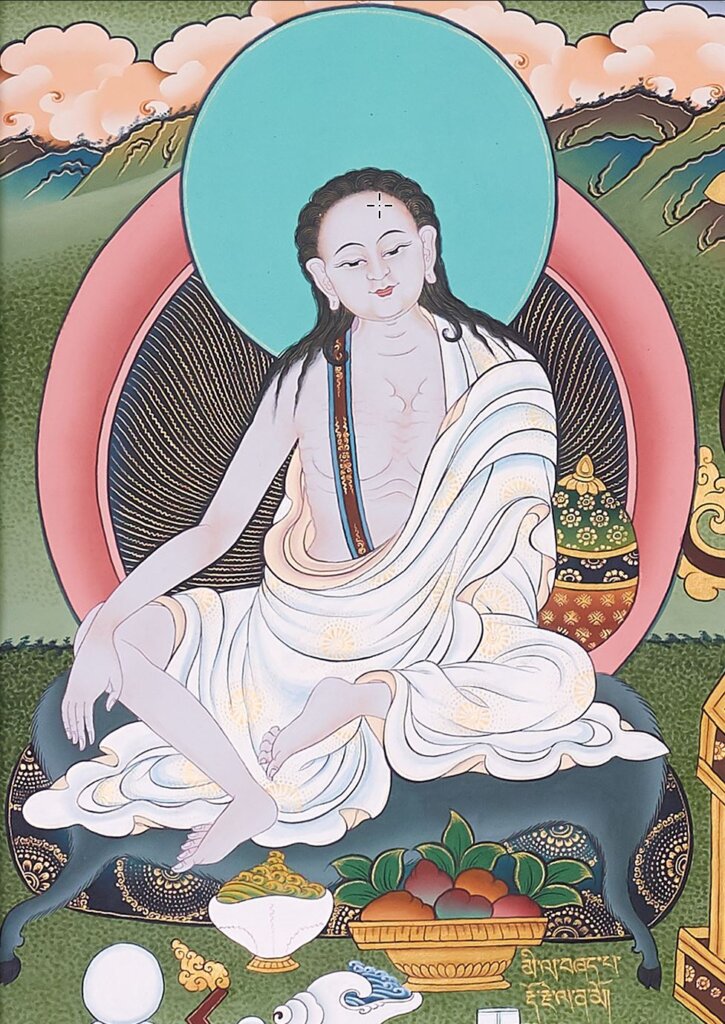
Milarepa's poignant observation, "The miser's storehouse is empty though it is large," invites us to reflect on the paradox of wealth and fulfillment. At first glance, the image of a vast storehouse brimming with potential seems to promise abundance. Yet, the deeper truth reveals that mere possession does not equate to richness of spirit or satisfaction. This insight is crucial in a world where material accumulation often overshadows the essence of true contentment.
In this quote, Milarepa challenges us to reconsider our relationship with what we possess and how we define sufficiency. The miser, despite having a large storehouse, remains devoid of the joy and peace that come from sharing and connecting with others. This stark contrast between physical wealth and spiritual emptiness serves as a reminder that true abundance lies not in hoarding but in generosity and openness. In exploring this theme, we delve into the heart of Buddhist teachings on attachment, desire, and the nature of true wealth.
The image / the metaphor
The imagery of a "large storehouse" evokes a sense of vastness and potential, yet it is juxtaposed with the stark reality of emptiness. The word "miser" conjures feelings of isolation and fear, suggesting that the act of hoarding wealth leads to a life devoid of joy and connection. The verbs chosen in this quote—"is" and "is empty"—highlight a state of being that transcends mere physicality, pointing to an inner void that cannot be filled by material possessions.
Delving deeper into the metaphor, we recognize that the storehouse symbolizes not just material wealth but also the emotional and spiritual resources we accumulate throughout our lives. The miser's empty storehouse serves as a powerful reminder that the more we cling to our possessions, the less we can experience the richness of life itself. This emptiness is not merely a lack of things; it is a profound disconnection from the world around us, a barrier to experiencing the fullness of existence.
In the speaker's tradition
Milarepa, a revered figure in Tibetan Buddhism, embodies the principles of dharma, which emphasize the importance of understanding the nature of suffering and the path to liberation. His teachings often explore concepts such as sunyata, or emptiness, which invites practitioners to recognize that attachment to material possessions leads to suffering. The miser's plight reflects a misunderstanding of sufficiency, where the pursuit of wealth becomes a source of bondage rather than freedom.
In the context of Milarepa's life, we can draw parallels to the Buddhist notion of kenosis, or self-emptying, which encourages individuals to let go of ego-driven desires. This idea resonates with the teachings found in the Heart Sutra, where the realization of emptiness leads to the cessation of suffering. By recognizing the futility of clinging to material wealth, we can begin to cultivate a deeper understanding of what it means to live a fulfilled life, one that is rich in compassion and connection.
Living the teaching
Consider a modern scenario where this teaching resonates: an individual who tirelessly works to accumulate wealth, believing that financial success will bring happiness. Despite having a large bank account, they find themselves feeling isolated and unfulfilled, unable to connect meaningfully with others. This situation illustrates how the pursuit of material wealth can lead to a profound sense of emptiness, echoing Milarepa's warning about the miser's storehouse.
In relationships, this teaching can manifest in moments of conflict or misunderstanding. For instance, one partner may prioritize financial security over emotional connection, leading to a sense of emptiness in the relationship. By recognizing the importance of generosity—both in spirit and in action—couples can cultivate a deeper bond that transcends material concerns. This shift towards sufficiency, where love and connection take precedence over possessions, embodies the essence of Milarepa's wisdom.
A reflection
As we contemplate Milarepa's profound insight, we are invited to ask ourselves: What does true abundance mean to me? In a world that often equates worth with wealth, how can I cultivate a sense of sufficiency that nourishes my spirit and deepens my connections with others? This question encourages us to reflect on our values and the ways in which we engage with the world, guiding us toward a more meaningful existence.
