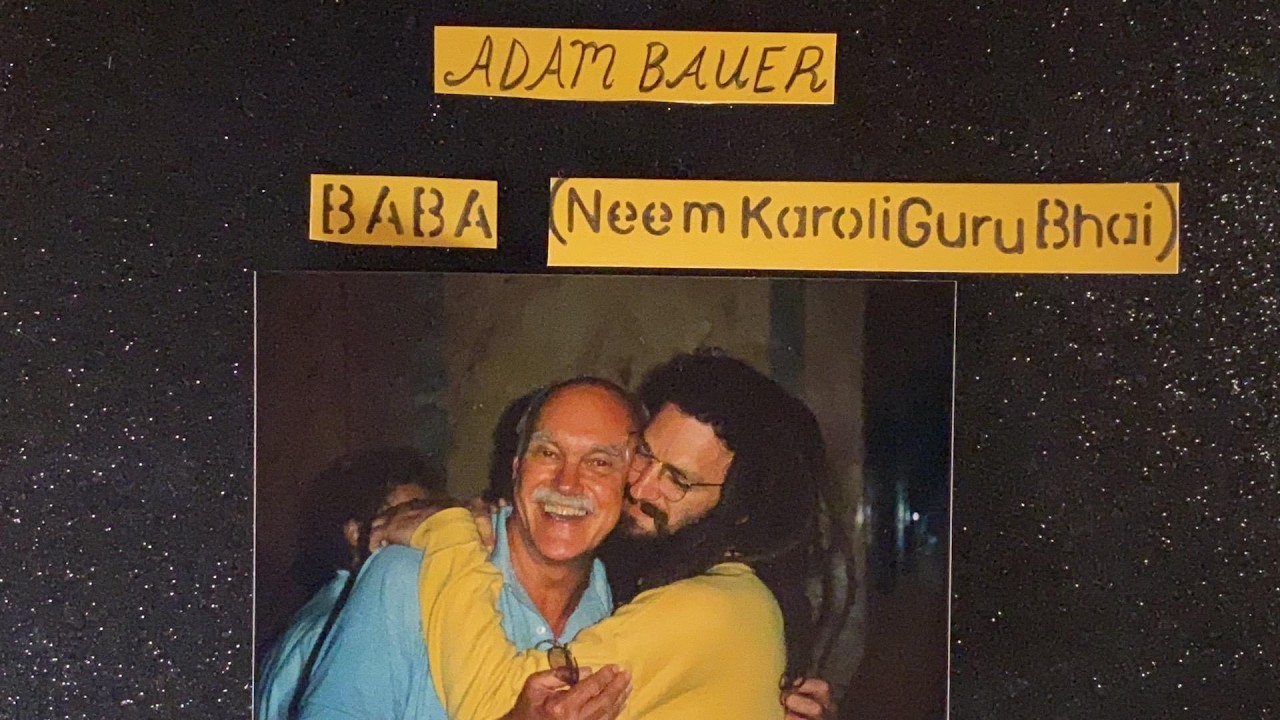
Neem Karoli Baba, affectionately known as Maharaj-ji, offers a profound invitation with his statement: "don't tell anyone about God. Just be God." This exhortation urges us to transcend mere verbal proclamations of faith and instead embody the divine presence in our everyday lives. It challenges us to move beyond the confines of dogma and doctrine, suggesting that true spirituality is not found in words but in the lived experience of love, compassion, and connection.
In a world often filled with noise and distraction, Maharaj-ji's words resonate deeply, calling us to a more authentic expression of our spiritual selves. This teaching emphasizes the importance of action over rhetoric, urging us to manifest the qualities of divinity through our thoughts, words, and deeds. By embodying God, we not only transform ourselves but also influence those around us, creating a ripple effect of love and understanding that transcends the limitations of language.
The image / the metaphor
The imagery in Maharaj-ji's quote is striking in its simplicity yet profound in its implications. The phrase "don't tell anyone about God" suggests a quietude, a retreat from the need to articulate or defend one's beliefs. Instead, the command to "just be God" evokes a sense of presence and authenticity, where one's very being becomes a testament to the divine. This shift from speaking about God to embodying God invites us to consider how our actions can serve as the truest expression of our spiritual beliefs.
In the speaker's tradition
Neem Karoli Baba's teachings are deeply rooted in the bhakti tradition, which emphasizes devotion and love for the divine as the path to spiritual realization. Central to this tradition is the concept of bhakti itself, which encourages practitioners to cultivate a heartfelt connection with God through devotion and service. Maharaj-ji's directive to "be God" aligns with the bhakti ideal of surrendering the self to the divine will, embodying the qualities of love, humility, and compassion that characterize true devotion.
This teaching resonates with the concept of kenosis, or self-emptying, found in various spiritual traditions. In bhakti, this self-emptying allows for the divine to fill us, transforming our very essence. The Bhagavad Gita, a foundational text in the bhakti tradition, speaks to this surrender, urging individuals to act without attachment to the fruits of their actions. By embodying God, we align ourselves with this teaching, allowing divine love to flow through us and into the world.
Living the teaching
Consider a modern scenario where this teaching can be applied: a workplace filled with tension and competition. In such an environment, one might feel compelled to assert their opinions or defend their position. However, by embodying the essence of love and compassion, one can choose to listen deeply, support colleagues, and foster a sense of community. This shift from a mindset of competition to one of collaboration exemplifies Maharaj-ji's teaching, demonstrating how being God in our interactions can transform the atmosphere around us.
Another application of this teaching can be found in personal relationships, particularly during moments of conflict. Instead of reacting defensively or seeking to prove a point, one can embody patience and understanding, recognizing the shared humanity in the other. By choosing to respond with love rather than anger, we not only honor the divine within ourselves but also reflect that divinity back to others, creating a space for healing and connection. This practice of embodying God in our relationships can lead to deeper bonds and a more compassionate world.
A reflection
As we contemplate Maharaj-ji's profound invitation to "just be God," we are left with a contemplative question: In what ways can I embody the qualities of love, compassion, and understanding in my daily life? This question invites us to reflect on our actions, our interactions, and our intentions, encouraging us to seek opportunities to manifest the divine presence within us. By embracing this inquiry, we open ourselves to a deeper understanding of our spiritual journey and the transformative power of love.