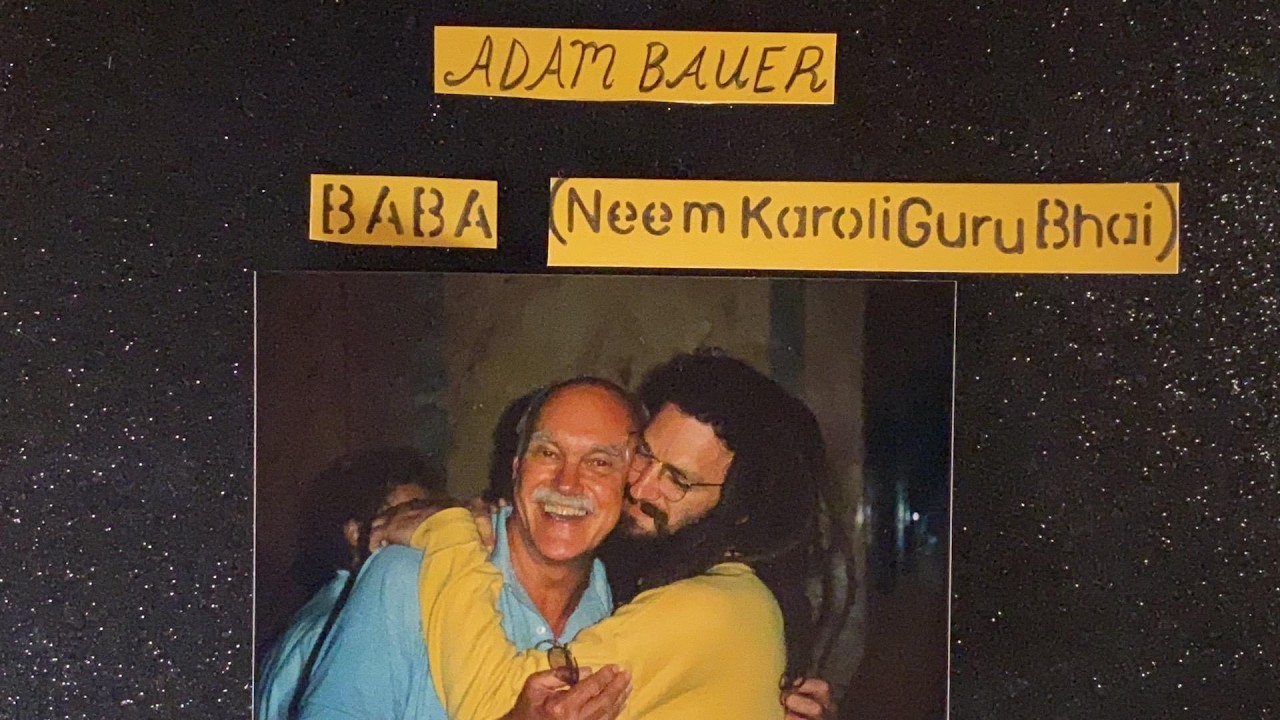
In the words of Neem Karoli Baba, "The path is simple. Just love." This profound statement distills the essence of spiritual practice into a single, accessible directive. In a world often clouded by complexity and confusion, the simplicity of love emerges as a guiding light. It invites us to transcend the myriad distractions of daily life and return to the fundamental truth that love is both the journey and the destination.
To love is not merely an action; it is a state of being, a way of engaging with the world that transforms our perception and experience. Neem Karoli Baba's message resonates deeply within the heart of bhakti, the path of devotion, where love is the primary vehicle for spiritual awakening. This quote serves as a reminder that the essence of our existence is rooted in love, urging us to cultivate it in our thoughts, words, and deeds. In doing so, we align ourselves with a higher purpose and connect more deeply with ourselves and others.
The image / the metaphor
The phrase "the path is simple" evokes a sense of clarity and ease, suggesting that the journey toward spiritual fulfillment does not require elaborate rituals or complex doctrines. The verb "love" stands as a powerful, active force, inviting us to engage with life in a way that is both profound and uncomplicated. This simplicity is not to be mistaken for naivety; rather, it is an invitation to embrace the transformative power of love as a guiding principle in our lives.
Diving deeper into the metaphor, we can see that love is not just a feeling but a dynamic force that shapes our interactions and experiences. It is the thread that weaves together the fabric of our relationships, infusing them with meaning and purpose. By choosing love as our path, we are encouraged to let go of the burdens of judgment, resentment, and fear, allowing ourselves to be vulnerable and open to the beauty of connection. This metaphorical journey is one of surrender, where we learn to trust in the inherent goodness of love and its ability to heal and unite.
In the speaker's tradition
Neem Karoli Baba's teachings are deeply rooted in the tradition of bhakti, which emphasizes devotion and love as the primary means of connecting with the divine. In this context, love is not merely an emotion but a spiritual practice that aligns us with our true nature. Concepts such as dharma, or righteous duty, and kenosis, the self-emptying of one’s ego, resonate with the idea that true love requires us to transcend our individual desires and embrace a collective consciousness. This path of devotion encourages us to see the divine in all beings, fostering a sense of unity and compassion.
Living the teaching
Consider a modern scenario where this teaching can be applied: a workplace filled with tension and competition. In such an environment, the directive to "just love" may seem simplistic, yet it holds the potential to transform interactions. By approaching colleagues with empathy and understanding, we can create a ripple effect that fosters collaboration and harmony. This practice of love can manifest in small gestures, such as offering support to a struggling teammate or expressing gratitude for another's contributions, ultimately shifting the workplace culture toward one of mutual respect and kindness.
Another application of this teaching can be found in personal relationships, especially during challenging moments. Imagine a disagreement with a loved one, where emotions run high, and misunderstandings abound. In such instances, the call to "just love" invites us to pause, breathe, and approach the situation with compassion rather than defensiveness. By choosing to respond with love, we can create space for healing and understanding, allowing the relationship to deepen and flourish. This practice of love, grounded in the teachings of Neem Karoli Baba, encourages us to navigate life's complexities with grace and an open heart.
A reflection
As we contemplate the simplicity of Neem Karoli Baba's message, we are invited to reflect on our own lives and the ways in which we embody love. What does it mean to "just love" in our daily interactions? In what areas of our lives can we simplify our approach and allow love to guide our actions? By engaging with these questions, we open ourselves to the transformative power of love, inviting it to illuminate our paths and deepen our connections with ourselves and others.