The Heart's Melody: A Journey Through Prayer and Song
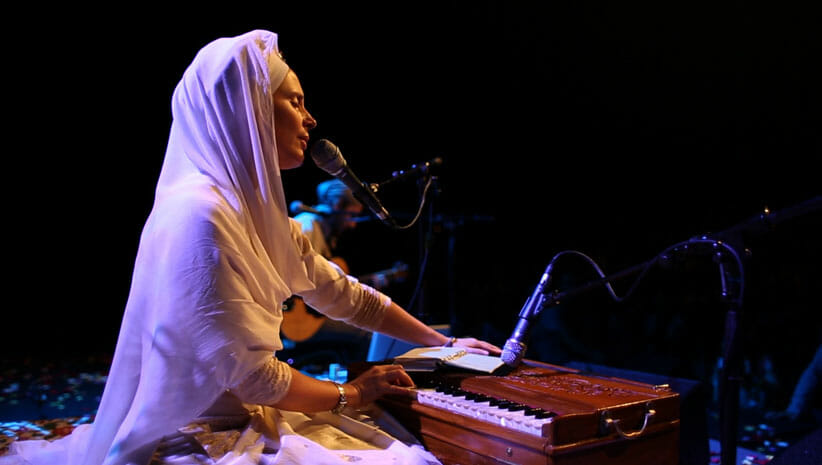
“Sing your prayer. Let the heart open.” In these simple yet profound words, Snatam Kaur invites us to explore the transformative power of prayer expressed through song. This call to action is not merely about vocalizing our desires or needs; it is an invitation to engage deeply with our own hearts and the divine. The stakes are high: in a world often filled with noise and distraction, the act of singing our prayers can serve as a bridge to deeper connection, both with ourselves and the universe around us.
To sing one's prayer is to embody a practice that transcends mere words. It is an invitation to experience prayer not as a ritual obligation but as a heartfelt expression of our innermost feelings. When we allow our hearts to open through song, we create a sacred space where vulnerability meets strength. This act of singing becomes a form of devotion, a way to align our inner rhythms with the greater harmony of existence. In this exploration, we find that the act of singing is not just an external expression but a profound internal journey.
The image / the metaphor
The imagery in Kaur's quote evokes a sense of liberation and authenticity. To "sing" one's prayer suggests a joyous and uninhibited expression, contrasting with the often somber or restrained nature of traditional prayer. The verb "sing" carries with it a sense of celebration, an invitation to let our voices rise in unison with the universe. The phrase "let the heart open" further emphasizes the importance of vulnerability; it suggests that true connection with the divine requires us to shed our defenses and allow our emotions to flow freely.
Diving deeper into the metaphor, we see that singing is not merely about vocalization but about resonance. When we sing, we engage our entire being—body, mind, and spirit—in a harmonious expression of our innermost thoughts and feelings. This act of resonance can be seen as a form of spiritual alchemy, transforming our fears, hopes, and dreams into a melody that connects us to something greater than ourselves. In this way, singing becomes a sacred act, a way to align our personal experiences with the universal rhythm of life.
In the speaker's tradition
Snatam Kaur's teachings are deeply rooted in the Sikh tradition, which emphasizes the importance of devotion and the transformative power of love. Central to Sikh philosophy is the concept of bhakti, or devotion, which encourages individuals to cultivate a personal relationship with the divine through heartfelt expressions of love and gratitude. This aligns beautifully with Kaur's invitation to sing our prayers, as it embodies the essence of bhakti—an emotional and spiritual connection that transcends the boundaries of language and form.
In the Guru Granth Sahib, the sacred scripture of Sikhism, we find numerous references to the power of sound and music in spiritual practice. The Shabad, or divine word, is often expressed through kirtan, a form of devotional singing that invites participants to immerse themselves in the sacred sound current. This practice echoes Kaur's message, reminding us that through song, we can access deeper states of consciousness and connection with the divine. The act of singing becomes a pathway to experiencing the divine presence in our lives.
Living the teaching
Consider a modern scenario where this teaching can take root: imagine a community gathering where individuals come together to share their stories and struggles. In this space, someone begins to sing a simple melody that resonates with their experience—a song of hope, loss, or gratitude. As others join in, the act of singing transforms the atmosphere, creating a collective experience of healing and connection. In this moment, the act of singing one's prayer becomes a communal expression of vulnerability, allowing hearts to open and barriers to dissolve.
In a more personal context, think about a difficult moment in a relationship where words seem inadequate. Instead of trying to articulate feelings through conversation, one might choose to express their emotions through song—perhaps by playing an instrument or singing softly to themselves. This act of singing can serve as a release, allowing the heart to open and emotions to flow. In this way, the teaching of singing one's prayer becomes a tool for navigating the complexities of human connection, fostering understanding and compassion.
A reflection
As we contemplate Snatam Kaur's invitation to "sing your prayer," we are called to reflect on our own practices of prayer and expression. How often do we allow ourselves to fully engage with our emotions and express them through song or other forms of creativity? In what ways can we open our hearts more fully to ourselves and others? This contemplation invites us to explore the depths of our own spiritual practices and consider how we might integrate the act of singing into our daily lives as a means of connection and healing.