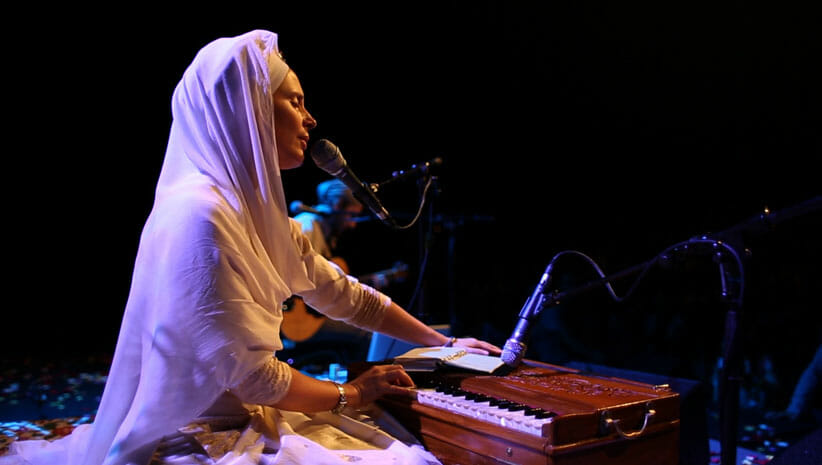
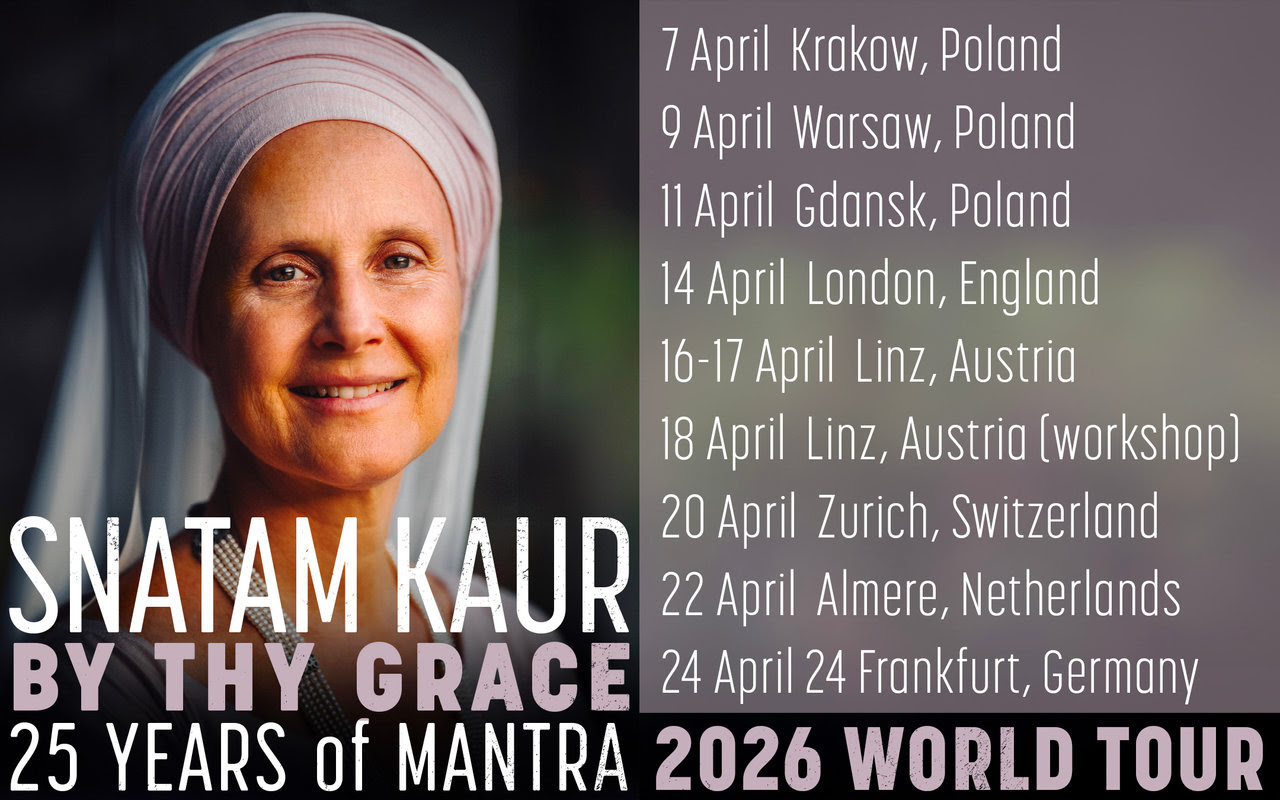
In the profound words of Snatam Kaur, "Through prayer, the heart is reborn." This statement encapsulates the transformative power of prayer, suggesting that it is not merely a ritual or a request for divine intervention, but a profound act that can lead to a renewal of the heart's essence. The stakes of this transformation are high; in a world often marked by disconnection and emotional turmoil, the act of prayer offers a pathway to healing and reconnection with our true selves.
To understand the depth of this quote, we must consider the implications of rebirth. The heart, often seen as the seat of emotion and spirit, can become burdened by life’s challenges, leading to feelings of despair or disconnection. Prayer, in this context, serves as a sacred practice that allows individuals to shed these burdens, facilitating a rebirth that restores clarity, compassion, and love. This renewal is not a one-time event but a continuous journey, inviting us to engage with our inner selves and the divine in a way that fosters growth and understanding.
The image / the metaphor
The imagery in Kaur's quote evokes a sense of transformation and renewal. The heart, often associated with love and vulnerability, is depicted as capable of being reborn, suggesting that it can be cleansed and revitalized through the act of prayer. The verb "reborn" carries connotations of resurrection and new beginnings, emphasizing that prayer can lead to profound shifts in our emotional and spiritual landscapes. This metaphor invites us to envision prayer not just as a means of communication with the divine, but as a dynamic process that actively reshapes our inner world.
In the speaker's tradition
Snatam Kaur's teachings are deeply rooted in Sikhism, a tradition that emphasizes the importance of prayer and devotion (bhakti) as pathways to spiritual enlightenment. In Sikh philosophy, the heart is viewed as a central element in the pursuit of dharma, or righteous living. The act of prayer is seen as a means of connecting with the divine, fostering a sense of unity with all beings, and cultivating a compassionate heart. This aligns with the Sikh understanding of kenosis, or self-emptying, where one surrenders the ego to experience a deeper connection with the divine and the universe.
Moreover, the concept of sunyata, or emptiness, resonates with Kaur's assertion. In Sikhism, the heart must be emptied of attachments and negative emotions to allow for the divine presence to fill it anew. This idea is echoed in the Guru Granth Sahib, the central religious scripture of Sikhism, which speaks of the heart as a vessel that must be purified through devotion and prayer. The text invites practitioners to engage in a continuous dialogue with the divine, reinforcing the notion that prayer is a transformative practice that leads to the rebirth of the heart.
Living the teaching
Consider a modern scenario where this teaching can be applied: a person grappling with feelings of anxiety and disconnection in their daily life. In moments of overwhelming stress, they might turn to prayer as a refuge, seeking solace and clarity. Through this practice, they may find that their heart begins to lighten, allowing them to release the weight of their worries and reconnect with a sense of peace. This illustrates how prayer can serve as a powerful tool for emotional and spiritual renewal, enabling individuals to navigate life's challenges with a more open heart.
In the context of relationships, the teaching of rebirth through prayer can manifest in moments of conflict or misunderstanding. When faced with a disagreement, one might choose to engage in prayer, seeking guidance and understanding. This act can foster a sense of empathy and compassion, allowing the heart to soften and open to the other person's perspective. By embracing this practice, individuals can cultivate healthier, more harmonious relationships, demonstrating the transformative power of prayer in everyday life.
A reflection
As we contemplate the essence of Snatam Kaur's quote, we are invited to consider: How can I allow prayer to facilitate a rebirth of my heart in moments of struggle or disconnection? This question encourages us to explore our relationship with prayer and its potential to transform our emotional landscapes, inviting us to engage with our inner selves and the divine in a meaningful way.